
In the vast and intricate world of auto manufacturing, the term “incomplete vehicle” emerges as a critical concept that merits thorough exploration. This article delves into the nuanced realm of incomplete vehicles, illuminating what they are, their implications within the automotive industry, and the processes involved in their creation. By understanding the intricacies of incomplete vehicles, one can appreciate the complexities of vehicle assembly, as well as the broader logistics surrounding auto manufacturing.
Defining Incomplete Vehicles
An incomplete vehicle refers to a vehicle that is sold by the original manufacturer in a stage that lacks certain essential components or systems, rendering it not fully functional for its intended purpose. These vehicles are typically designed to be completed by third-party manufacturers or upfitters who add bespoke features such as specialized bodies, cargo holds, or even advanced technological integrations. Notably, incomplete vehicles frequently serve specific market niches, such as emergency services, delivery vans, or recreational vehicles.
Types of Incomplete Vehicles
Understanding the various categories of incomplete vehicles helps clarify their roles in the automotive landscape. Here, we identify several prominent types:
- Chassis Cabs: These vehicles come equipped with a cab and chassis frame but often lack a truck bed or cargo area. They serve as the foundational structure for a myriad of applications, allowing for custom installations that range from utility bodies to ambulances.
- Cutaway Vans: Featuring an open back, cutaway vans are built to accommodate various body types. They are particularly popular for delivery and service vehicles, as they provide ample space for outfitting custom shelving or equipment racks.
- Cube Vans: Also known as box trucks, cube vans possess a cargo area that is prominently squared off. Ideal for transporting goods or serving as mobile workshops, they can easily be fitted with thermally controlled systems for perishables.
- Specialty Vehicles: This category encompasses vehicles tailored for unique applications, such as fire trucks, tow trucks, or construction machinery. Each vehicle in this group is meticulously designed to meet specific operational requirements.
Manufacturing Incomplete Vehicles
The manufacturing of incomplete vehicles involves several key steps that reflect intrinsic challenges and opportunities within the automotive industry. Initially, manufacturers must determine the target market for these vehicles. Understanding the end-user’s needs drives the design and engineering phases, enabling companies to produce vehicles that can be easily adapted for various functions.
Once this market analysis is complete, the engineering team embarks on creating foundational designs that fulfill safety and regulatory standards while allowing third-party upfitters the flexibility they need. It’s essential that these incomplete vehicles are engineered with strong structural integrity, considering that they will undergo additional modifications after the initial assembly.
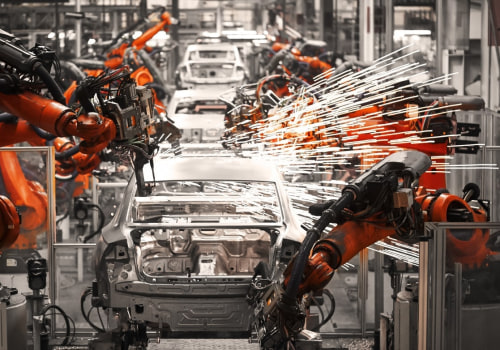
The next stage involves manufacturing the vehicle at a production facility. This process resembles the traditional assembly line method but necessitates greater attention to modular design. Each incomplete vehicle must be compatible with a range of off-the-shelf aftermarket products, ensuring seamless integration for upfitting technicians who will finalize the vehicle’s functionality.
Once the incomplete vehicle is produced, it is often shipped to third-party companies who specialize in customization. Quality control is paramount during this phase, as the upfitted vehicle must meet both the original manufacturer’s specifications and the unique requirements of the user.
Regulatory Considerations
In the United States, the production and distribution of incomplete vehicles come with strict regulatory frameworks. The National Highway Traffic Safety Administration (NHTSA) oversees safety compliance and requires that both the original manufacturers and the upfitters adhere to stringent standards. This entails that manufacturers provide detailed specifications and guidelines on how their incomplete vehicles should be completed. Standards cover everything from structural integrity to emissions requirements, ensuring that the final product is not only functional but also safe for public use.
The Role of Upfitters
An integral aspect of the incomplete vehicle ecosystem is the role of upfitters—companies or individuals who modify these vehicles to suit specific needs. Upfitters bring a wealth of experience and technical knowledge, enabling them to effectively transform incomplete vehicles into tailored solutions. This can entail installing new components such as refrigeration units, equipment mounts, or specialized lighting.
Collaboration between manufacturers and upfitters is often vital for success; clear communication regarding timelines, specifications, and safety concerns ensures that the completed vehicle meets all expectations. This partnership model illustrates the broader ecosystem of innovation that characterizes the auto manufacturing landscape.
Market Trends and Future Prospects
The demand for incomplete vehicles is on the rise as e-commerce flourishes and specialized services expand. Urban logistics, in particular, is experiencing a paradigm shift, necessitating efficient vehicle solutions that can navigate congested city streets with agility. Manufacturers are increasingly introducing models that cater to environmentally conscious markets, such as electric incomplete vehicles, fostering sustainability while meeting operational demands.
Ultimately, the concept of incomplete vehicles plays a pivotal role in the automotive industry, encapsulating the intricacies of customization and application-focused design. By understanding the types, manufacturing processes, regulations, and market dynamics that govern incomplete vehicles, stakeholders can better navigate the complexities of auto manufacturing and contribute to the development of innovative solutions for a diverse range of vehicular needs.












