
What does it truly mean to be a father? At first glance, the answer might seem simple, yet it invites a kaleidoscope of interpretations and aspirations. In today’s landscape, the role of a father has evolved dramatically, transcending traditional expectations and embracing a more nuanced, multifaceted approach. It poses a playful question: Are you ready to navigate the often tumultuous yet exhilarating sea of fatherhood while redefining the essence of being a dad? As we delve deeper into this profound inquiry, we shall explore the roles, responsibilities, and significance that intertwine in the fabric of fatherhood.
To understand the meaning of fatherhood, one must first acknowledge its core responsibility: nurturing. Nurturing is much more than the act of feeding and providing shelter; it embodies emotional support and the cultivation of a safe environment where a child can flourish. In an age where emotional intelligence is paramount, fathers are increasingly called upon to create spaces conducive to open dialogue, allowing their children to express themselves freely. This new paradigm demands fathers to listen more than they speak, to observe more than they judge. It’s a delicate balance, one that requires patience, empathy, and a willingness to engage in genuine conversations.
Equally fundamental to fatherhood is the aspect of guidance. Children are explorers, innate seekers of adventure, often stumbling upon uncharted territories of life. A father’s role as a guide is instrumental during these formative years, helping them navigate complexities with wisdom and love. Providing direction is not merely about imparting knowledge but also about instilling values. Fathers can act as beacons, illuminating paths that foster resilience, integrity, and respect. But how does one strike the right chord between guidance and autonomy, ensuring children learn to make decisions, embracing both successes and failures?
Further complicating this landscape is the father’s role as a protector. This instinctive urge to shield one’s progeny from harm has a long evolutionary history; however, in contemporary society, it often takes on myriad forms. Protection extends beyond physical safety to encompass emotional and psychological safeguarding. In an era rife with distractions—social media, peer pressure, and external judgments—fathers must cultivate fortitude within their children, enabling them to withstand external adversities. But what happens when a child’s own choices become the source of their struggles? This is a challenge every father must grapple with, discerning when to intervene and when to allow their offspring the freedom to stumble.
The essence of being a father also rests on the foundation of role modeling. Children are perceptive beings, absorbing nuances from their surroundings like sponges. Thus, fathers have a unique responsibility to exemplify behaviors and attitudes they wish to see in their children. Whether it’s demonstrating kindness in daily interactions, striving for personal growth, or exhibiting diligence in work—a father’s actions often catechize their children more profoundly than mere words ever could. Yet, this realistic portrayal of fatherhood can elicit an interesting dilemma: the pressure to be constantly exemplary. How does one balance the authenticity of imperfection with the aspiration to inspire?
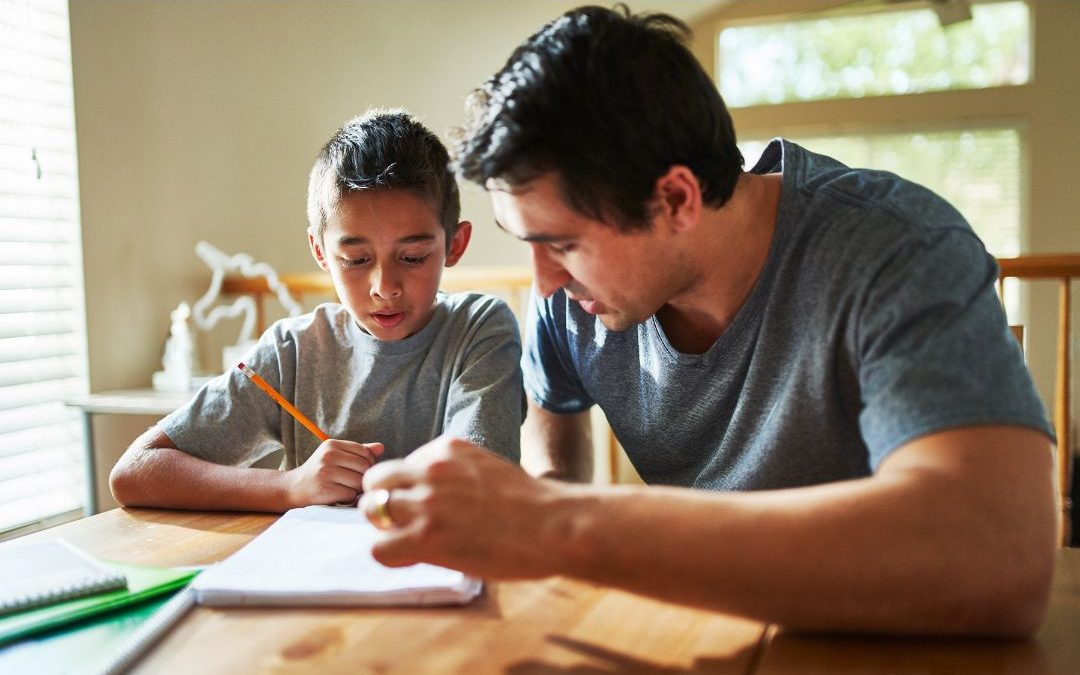
As times have changed, so too has the notion of shared responsibilities within the family unit. The emerging paradigm of shared fatherhood reflects a broader societal shift towards egalitarianism. Fathers now engage more actively in household responsibilities, from cooking family dinners to aiding in school projects. This poignant transition has profound implications for both fathers and children. Increased involvement not only enhances familial bonds but also cultivates an environment of equality and respect. Children, observing their fathers in varied roles—from the steadfast caretaker to the nurturing confidant—develop a holistic understanding of relationships not bound by gender stereotypes.
Moreover, the modern father must grapple with the interplay of work and family life. The exigencies of careers often cast an overshadowing shadow over familial commitments, leading to the pervasive struggle of work-life balance. A chasm can develop, inadvertently making fathers distant, even when physically present. The need for fathers to prioritize presence—both emotionally and mentally—grows increasingly critical. By seeking harmony between professional obligations and family life, fathers can foster deeper connections that withstand the trials of external demands. Yet, this begs the question: In pursuing professional aspirations, how can fathers ensure they remain engaged in their child’s formative experiences?
Ultimately, the question of what it means to be a father is as diverse as the fathers themselves. The roles we undertake—nurturer, guide, protector, role model, and participant—intertwine, creating a rich tapestry of experiences. The challenges faced are profound, as the responsibility can be daunting, occasionally overwhelming, yet undeniably rewarding. There is beauty in the chaos of fatherhood, the laughter amid the struggles, and the growth that arises from navigating such an intrinsic journey. Are you prepared to embrace the metamorphosis that accompanies fatherhood, wherein each challenge evolves into an opportunity for deeper connection and understanding?
As this exploration comes to a close, it is vital to recognize that being a father is not a solitary endeavor. It calls for collaboration, communication, and, above all, love. If one were to distill the essence of fatherhood into a singular principle, it would be this: fathers shape the future not only through their children’s achievements but by embracing their role in the familial narrative. Each moment spent nurturing, guiding, protecting, and living authentically lays the groundwork for generations to come. Thus, strive to be the father who not only embraces the roles but also revels in their transformative power.












