
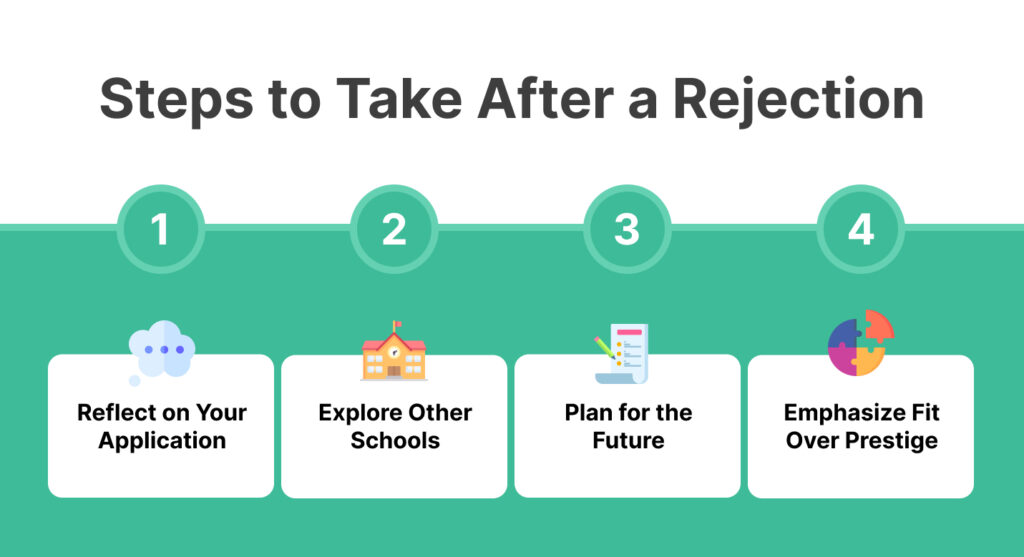
In the intricate world of college admissions, terms like “deferred” and “rejected” loom large, often casting a shadow of confusion and anxiety over aspiring students. Understanding the meaning of being deferred can shift one’s perspective significantly, transforming what may initially feel like a setback into an opportunity for growth and reflection. This exploration delves into the nuances of deferral in college admissions, shedding light on its implications, emotional ramifications, and strategic avenues available to students.
Defining Deferred: A Closer Look
To be deferred means that a college or university has chosen to postpone a final decision regarding your application. Instead of a clear rejection or acceptance, applicants find themselves in limbo. This decision often arises during the early admissions process, particularly in institutions that offer early action or early decision options. Colleges do this to retain flexibility; they want to take more time to evaluate an applicant’s qualifications alongside others without immediately committing to a decision.
This uncertain territory can feel unsettling. However, it opens the door for candidates to strengthen their applications. The institution is signaling that while the initial impression may not have been wholly affirmative, the prospect of acceptance still lingers, particularly if additional evidence—such as improved grades or new test scores—can be presented.
Understanding the Rationale Behind Deferrals
Colleges deploy deferrals as a strategic mechanism for several reasons. Primarily, they may need more time to assess a candidate’s potential in relation to their overall applicant pool. The admissions cycle is a highly competitive environment, rife with applicants who present diverse strengths and experiences. By deferring a decision, colleges can maintain a diverse and talented class while observing how applicants continue to progress academically and personally after their initial application submission.
Moreover, deferrals enable institutions to mitigate risk. There are numerous factors that influence college admissions, including the dynamics of yield—the percentage of accepted students who ultimately enroll. If a college is uncertain about the likelihood of students accepting offers, deferrals help them maintain the integrity of their admissions projections. By taking this cautious approach, schools can negotiate the fine line between ensuring a robust applicant pool and avoiding over-enrollment.
The Emotional Landscape of Being Deferred
Being deferred can evoke a complex array of emotions. Initially, applicants may feel despondent or disheartened, perceiving deferment as a rejection veiled in optimism. This reaction is understandable, as the stakes are high. Nevertheless, it’s crucial to pivot perspectives and recognize the positivity inherent in being placed on hold. A deferral is not an outright dismissal; rather, it is an invitation for further engagement with the admissions committee.
For many students, this uncertainty during the waiting period can serve as motivation to bolster their credentials and sharpen their focus. Applicants may channel their energy into elevating academic performance, engaging in meaningful extracurricular activities, or undertaking unique projects that resonate with their passions. This proactive approach not only enhances an application but fosters personal development, resilience, and a sense of agency.
Next Steps: What It Means Practically
Upon receiving a deferral letter, students should take several key steps. First and foremost, it is essential to maintain communication with the admissions office. Reaching out to inquire about the specific reasons for the deferral can provide valuable insights into areas that may warrant improvement, thus allowing candidates to tailor their efforts accordingly.
Next, students should consider submitting additional materials, such as updated transcripts, new letters of recommendation, or even personal essays that speak to their growth and ongoing commitment to their academic journey. These supplemental submissions can significantly boost an application by providing the admissions committee with an expanded perspective on the applicant’s capabilities and aspirations.
Leveraging Opportunities While Waiting
The deferral period can also serve as a rich time for introspection and professional development. Engaging in internships or volunteer work can lay the groundwork for deeper personal narratives that can be utilized in follow-up submissions. Moreover, accruing experiences that showcase soft skills, such as leadership and adaptability, can resonate well with admissions committees looking for well-rounded individuals who will contribute positively to their campus culture.
During this waiting period, it’s crucial to remain engaged with other schools as well. Exploring additional institutions and applying to an expanded list can provide safety nets and alternate pathways to success. This proactive strategy not only spreads risk but also keeps options open during a time filled with uncertainty.
The Outcome: Understanding Decisions
Ultimately, a deferred status will culminate in one of three possible outcomes: acceptance, rejection, or an additional deferral. Each of these scenarios carries its own implications and informs a student’s trajectory. A successful admission could affirm the decisions made during the deferral period, while a rejection may provide critical feedback for future applications elsewhere. Understanding that deferral does not equate to failure is vital; rather, it is a moment infused with potential for transformation and growth.
In conclusion, being deferred can indeed be a perplexing experience. However, with the right mindset and proactive measures, this stage in the college admissions process can evolve into a transformative opportunity. By reframing the deferral as a chance to enhance the application and to engage more deeply with personal goals, students can navigate the tumultuous terrain of college admissions with resilience and optimism.












