
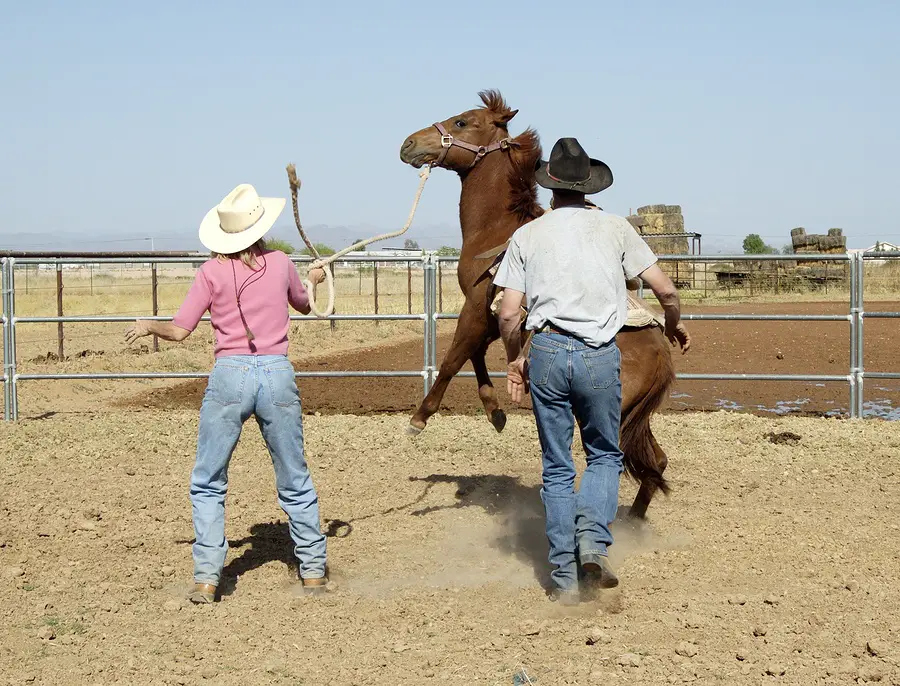
When it comes to horses, the term “breaking” can evoke a myriad of emotions, ranging from apprehension to enthusiasm among equestrians. In the world of horse training, to “break” a horse is not to subjugate or harm; rather, it encompasses a gentle yet firm introduction of a horse to the human world. This extensive article will delve into the nuances of breaking a horse, exploring the terminology, processes, and philosophies that shape this critical aspect of equestrianism.
Understanding Horse Training Terminology
Before we embark on the exploration of breaking a horse, it is imperative to grasp the various terms associated with this practice. First and foremost, “breaking” often raises eyebrows due to its traditional connotations. However, modern approaches favor terms such as “starting” or “gentling,” which reflect a more compassionate methodology. Central concepts such as “desensitization,” “collection,” and “yielding” play pivotal roles in the process, as they describe the horse’s gradual acclimatization to human commands and the various stimuli found in their environment.
The Philosophy Behind Breaking a Horse
The ideology surrounding horse training has undergone a significant metamorphosis over the decades. In erstwhile practices, breaking a horse frequently involved a more aggressive approach, with the intent to “dominate” the animal. Today, trainers emphasize understanding the horse’s psychology, advocating for a partnership built on trust and mutual respect. The essence of modern breaking seeks to develop a relationship where the horse willingly cooperates rather than complies out of fear.
Stages of Breaking a Horse
The process of breaking a horse can be segmented into distinct stages. Each phase plays a vital role in the successful development of the animal into a capable riding companion. These stages include:
1. Groundwork: This initial phase lays the groundwork—literally. Groundwork involves various exercises performed on the ground, including leading, lunging, and desensitization techniques. During this stage, the horse learns basic commands and begins to understand the trainer’s body language and cues.
2. Introduction to Saddle: Once the horse is comfortable with groundwork, the next step is introducing the saddle. This may involve using a lightweight saddle pad and gradually acclimatizing the horse to the sensation of having weight placed on its back. Patience is vital, as the process can take several sessions to ensure the horse is at ease.
3. Mounting and Dismounting: The act of mounting a horse can be a daunting experience for both rider and horse. Trainers should ensure the horse is prepared for this phase by first simulating mounting behavior from the ground. Using mounting blocks or a gentle approach can minimize anxiety.
4. First Rides: With groundwork and the saddle solidified, the first ride represents a significant milestone. This initial ride should be conducted in a safe enclosed area, with the trainer remaining attentive to the horse’s reactions. Avoiding pitfalls such as abrupt movements or loud noises during this phase is crucial.
5. Building Confidence: As the horse becomes accustomed to being ridden, confidence-building exercises such as trail riding or obstacles are essential. These not only enhance the horse’s competence but also establish a lasting bond of trust between horse and rider.
Types of Training Techniques
The methodology employed during the breaking process can vary considerably among trainers. Here are some of the most prominent techniques:
1. Natural Horsemanship: This approach emphasizes understanding and interpreting equine behavior. It employs gentle techniques that honor the horse’s instincts, developing communication through body language rather than force.
2. Traditional Training: This technique often includes more conventional methods such as the use of tack, encourages obedience through familiar patterns and routines but can sometimes lean toward a harsher approach if not applied with care.
3. Positive Reinforcement: Utilizing rewards—be it verbal praise, treats, or gentle petting—creates positive associations with certain behaviors. This system not only encourages the horse to learn but also fosters a sense of safety and companionship.
Challenges and Myths
Conclusion
Breaking a horse is a profound undertaking steeped in both tradition and innovation. As equestrians continue to evolve in their understanding of horse psychology and communication, the techniques employed during this crucial period have come to reflect a more nuanced, respectful approach. Through groundwork, patience, and a commitment to developing a genuine bond, training a horse can transform the experience from one of fear to one of partnership. The path of breaking, or starting, a horse can be a rewarding adventure wherein both horse and rider embark on a journey of collaboration, trust, and deep-seated camaraderie.












