
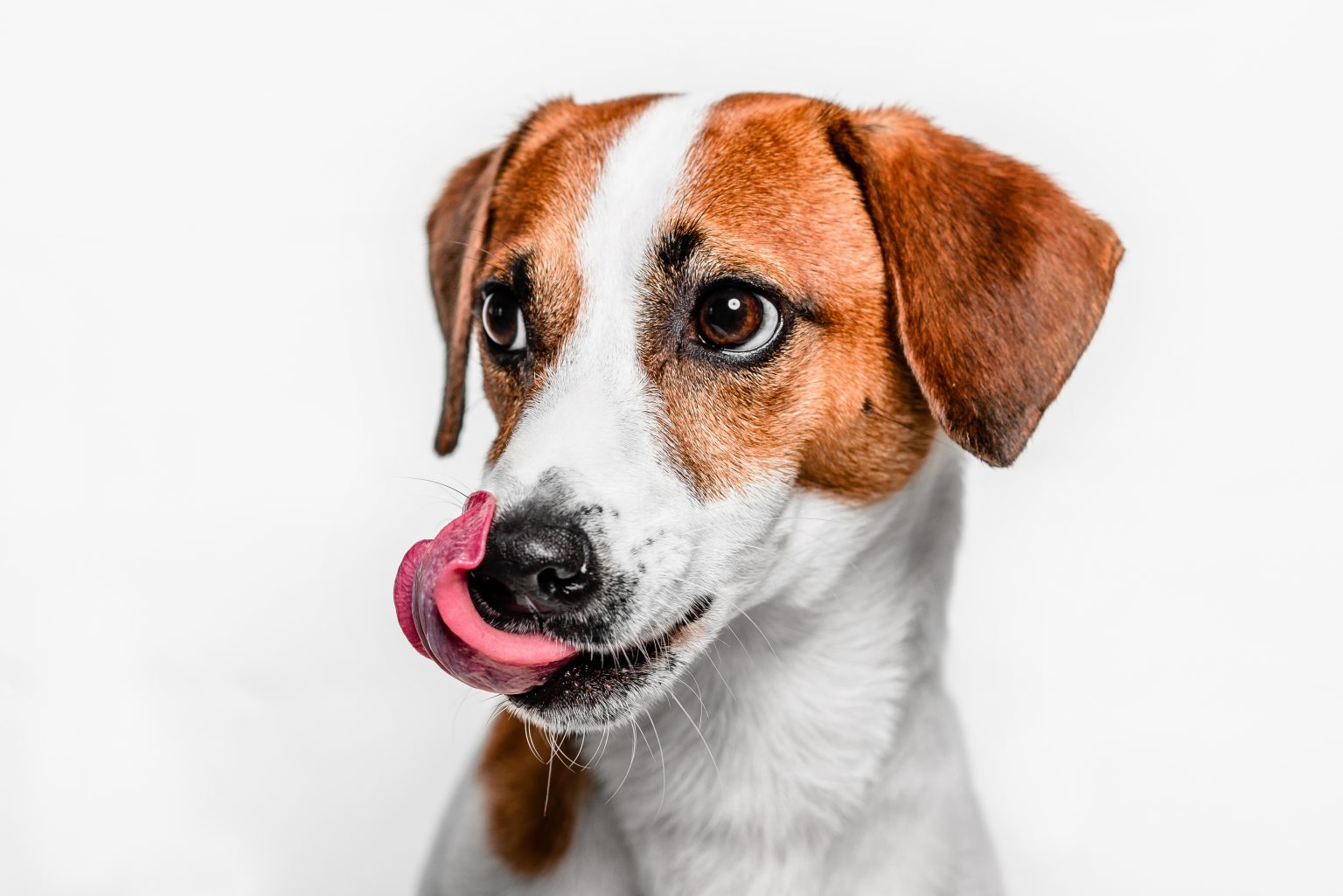
Dogs, those endearing companions of ours, are renowned for their myriad behaviors that often leave us pondering their intentions. One such behavior, licking their lips, is commonplace but frequently misunderstood. What does it truly signify when our furry friends engage in this action? In this exploration, we will delve into the multifaceted meanings behind lip licking, shedding light on this intriguing canine behavior.
The Natural Instinct: An Innate Response
Licking is an instinctive behavior observed in many animals, including humans. For canines, it is rooted in their evolutionary history. In the wild, dogs would lick their lips as a survival mechanism, signifying submission or appeasement to a dominant pack member. This behavior often surfaces in social interactions, where the act of licking can function as a nonverbal signal, conveying messages of respect and humility. Understanding this foundational instinct can revolutionize how we interpret our dogs’ actions.
Communication: A Tongue-Tied Language
Dogs are not equipped with verbal communication as humans are; instead, they possess a rich tapestry of body language. Lip licking is a crucial facet of this dialogue. It can manifest during moments of uncertainty, anxiety, or stress, serving as a calming signal to themselves and other dogs. In a setting that feels threatening or unfamiliar—perhaps during a trip to the veterinarian or while meeting new pets—lip licking may be a dog’s way of saying, “I’m unsure; I mean no harm.”
Additionally, when dogs are engaged in play, they may lick their lips in a playful, light-hearted manner, signaling that they are having fun and are not aggressive. This duality of lip licking—both as an appeasement gesture and as a means of playful communication—highlights the complexity of canine behavior and emotional expression.
Hunger and Anticipation: The Precursor to a Feast
Often, lip licking is a precursor to a more delightful experience—food. Dogs have an acute sense of smell, far surpassing our own, and the aroma of a scrumptious meal can trigger an involuntary response. When a dog begins to lick its lips in anticipation, it is gearing up for a gastronomic indulgence. The act serves a dual purpose: moistening their lips in preparation for tasty morsels and expressing hunger. This reaction is particularly evident during mealtime, when their excitement escalates in response to the familiar sounds of food preparation.
Furthermore, the presence of delicious treats can provoke lip licking even before consumption. Dogs may gauge their eagerness through this behavior, a subtle manifestation of their eager anticipation. This response not only symbolizes contentment but also heightens our awareness of their needs, encouraging a deeper bond between owner and pet.
Health Indicators: Listening to Their Bodies
Lip licking can also be a barometer of health. If a dog starts licking its lips excessively, it may indicate underlying health issues. Conditions such as nausea, dental problems, or gastrointestinal distress can manifest as this behavior. For instance, when dogs feel nauseous, they may lick their lips in an attempt to soothe their discomfort. In such cases, it’s crucial for owners to be observant. If the behavior persists or is accompanied by other signs, a consultation with a veterinarian is warranted.
Additionally, dry or cracked lips can lead to habitual licking, exacerbating the problem. This can occur in response to environmental factors such as arid climates or allergic reactions. Monitoring lip health and ensuring adequate hydration can mitigate discomfort and prevent excessive licking.
Emotional Reflection: Stress and Anxiety Unveiled
The emotional landscape of dogs is rich and varies from individual to individual. Lip licking often surfaces as a response to emotional distress. Anxiety from separation, changes in routine, or noisy environments can incite this behavior. Dogs are highly attuned to their surroundings, and any disruption can manifest as nervous lip licking, serving as a self-soothing mechanism.
Moreover, lip licking during interactions with strangers or unfamiliar surroundings can highlight a dog’s anxiety or apprehension. This subtle gesture allows them to collectively navigate the nuanced world around them, seeking comfort amid uncertainty. Recognizing this emotional state can propel us to act accordingly—whether it’s providing a safe haven or seeking professional guidance for managing anxiety-driven behaviors.
Conclusion: A Perspective Shift on Canine Communication
The act of lip licking among dogs transcends mere physical behavior; it is an intricate language of emotions, health, and instincts. From communicating submission and excitement to indicating distress or discomfort, each lick encapsulates a world of meaning. For dog owners, understanding these nuances is pivotal not only in enhancing their companions’ well-being but also in enriching their shared experiences.
Rather than merely interpreting lip licking at face value, embracing its complexity allows for a transformed perspective on canine communication. By deepening our awareness of this behavior, we nurture our bond with our pets, fostering a relationship built on understanding and empathy. The next time you observe your canine companion licking their lips, take a moment to reflect on the spectrum of emotions and signals that may be unfolding behind those endearing eyes.












