
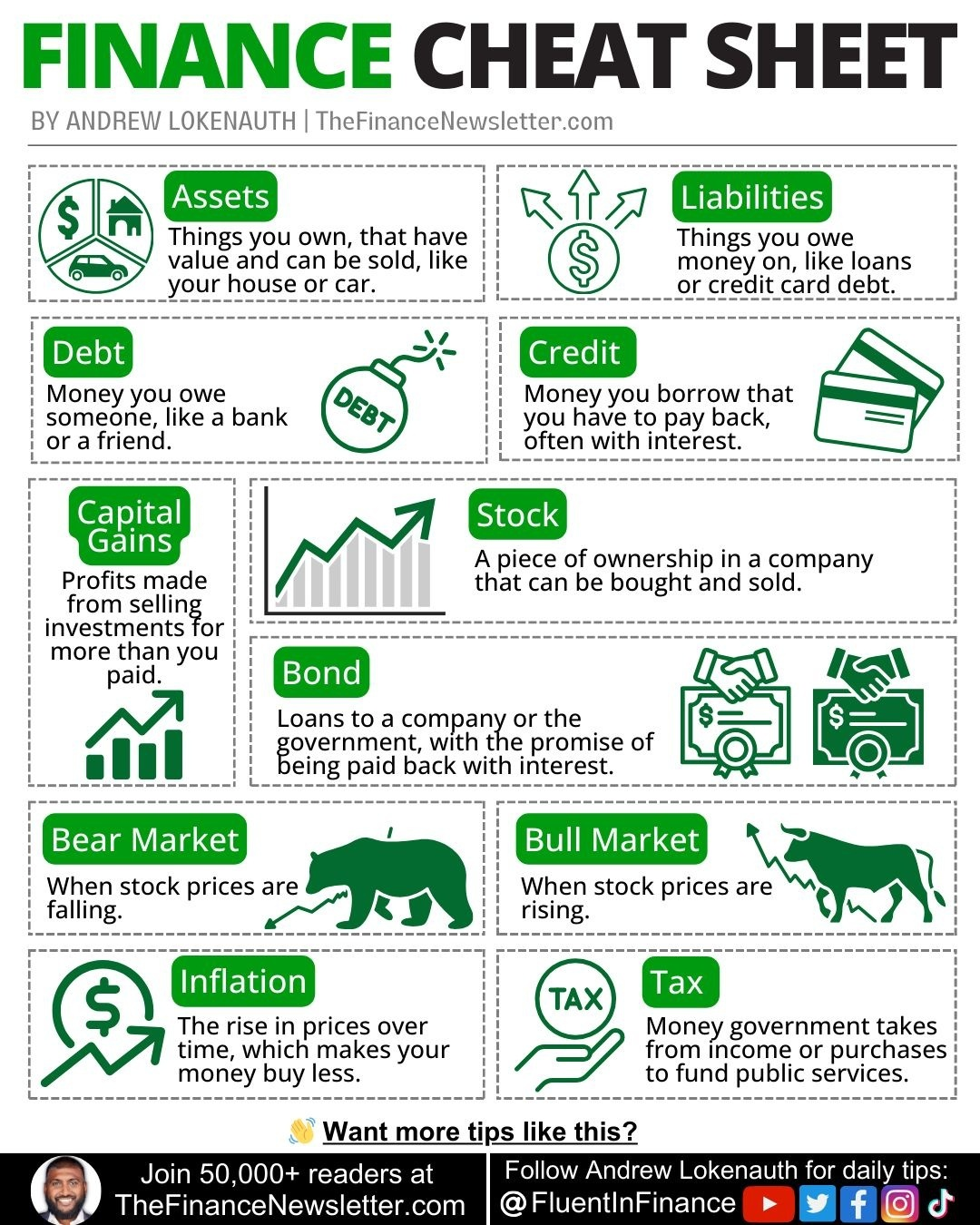
Have you ever heard the phrase “loads will come due” and wondered what that truly entails? It may sound like something straight out of a financial drama, but in reality, this term captures a crucial aspect of fiscal responsibility. Whether you’re an adult grappling with your own finances or a young mind curious about the subtleties of money management, understanding this term can feel both playful and daunting. So, what does it mean when loads will come due? Let’s embark on a journey to uncover the landscape of financial terminology, focusing particularly on ‘loads’ and their implications.
To begin with, the term “loads” in finance often refers to various types of fees associated with investments, particularly in the realm of mutual funds. Specifically, these fees can be classified into front-end loads, back-end loads, and level loads. Each type demonstrates a unique structure in the timing and condition of their imposition, creating a timeline that greatly affects investment decisions. The question is: why do these loads matter?
Front-end loads are charges taken out when an investor initially purchases a fund. This upfront expense can significantly impact the amount of money actually invested. For example, imagine investing $1,000 in a fund that has a 5% front-end load. In reality, only $950 would be put to work because $50 is collected as a fee. It’s like entering a carnival but not knowing that your ticket gets you fewer rides than you anticipated. How might this realization affect your enthusiasm and investment strategy?
Meanwhile, back-end loads serve as a deterrent for early withdrawals. This charge is applied when an investor sells their shares within a specified time frame, typically within several years of purchase. The longer you hold onto your investment without selling, the less the back-end load impacts you. Investors may face increasingly reduced fees as the years pass. However, this strategy could lead to a quandary: should you wait it out to save on fees, or do you need access to your cash sooner rather than later? Timing is everything.
Level loads, on the other hand, differ slightly, as they entail ongoing charges rather than upfront costs. These fees are deducted annually regardless of whether you sell your shares. While they may seem less burdensome initially, over time they compound and can diminish investment returns. This structure brings forward a playful question: how well are you tracking your expenses, and are those seemingly minor annual fees actually eating into your potential earnings?
Now, the concept of “when loads will come due” also emphasizes the importance of cash flow management. Effectively, it serves as a reminder of upcoming obligations and the need for prudence in financial planning. One might liken this to a beautifully balanced seesaw: on one end lies your investments, while the other holds your fees and expenses. Any sudden shift can create an imbalance, leading to unforeseen challenges.
In addition to loads, one must consider other results that arise from specific financial decisions. One prevalent aspect is their correlation with the overall market conditions. In tumultuous financial climates, expenses can swell unexpectedly, thus putting your investments at risk. Let’s explore this contrast further. If you anticipate a financial setback—a job loss, for instance—will you be prepared to meet those due loads, or will they catch you off guard?
There’s also an intrinsic factor at play: investor psychology. People often grapple with making emotional decisions, especially when it comes to their hard-earned money. As loads come due, investors might face anxiety or the fear of loss, prompting them to act rashly instead of methodically. This leads us to another dilemma: how do you cultivate a mindset of resilience during these financial trials?
To navigate these challenges, individuals must develop a comprehensive understanding of these loads in relation to their broader financial portfolio. Start by evaluating your investment objectives and risk appetite. If you desire growth, consider a long-term perspective, accepting that loads can be a part of the investment landscape. For someone aiming to capitalize on quicker gains, you may want to minimize the effects of loads by selecting lower-cost funds or those without front-end charges.
It’s essential, too, to approach loads with the vigilance of a seasoned detective. Scrutinize fund prospectuses, review historical performance, and compare fees. Equip yourself with knowledge so you can make informed decisions. Consider this: in a world overflowing with financial jargon, isn’t it worthwhile to become fluent in the language of your investments?
Engaging with an advisor can provide invaluable guidance, especially for complex financial scenarios and intricate tax implications. Furthermore, remember that loan dues can vary significantly from one type of investment to another. Too often, people overlook the implications of these fees, leading to disillusionment and regret down the line.
In conclusion, the phrase “when loads will come due” should evoke a proactive approach to financial literacy rather than a sense of alarm. It challenges individuals to think critically about their investments, cash flow, and the hidden costs that typically accompany financial commitments. So, the next time you ponder this term, remember: it’s not just about the loads that will come due; it’s about how prepared you are to face them. Begin today by educating yourself and assessing your financial path wisely—because what you don’t know can certainly cost you.












