
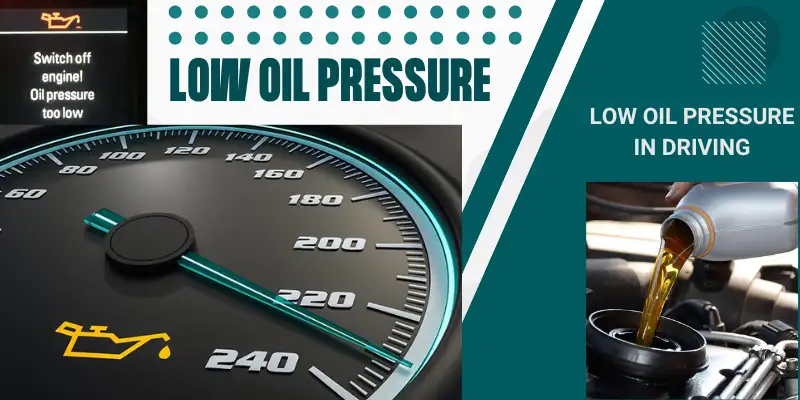
Low oil pressure is a critical concern that often goes unnoticed until it’s too late. The engine oil serves a vital role in lubricating the engine’s moving parts, absorbing heat, and facilitating optimal performance. However, when oil pressure dips below the acceptable threshold, it raises a multitude of red flags that should not be ignored.
Understanding the implications of low oil pressure requires a closer examination of its causes, symptoms, and potential repercussions. This article delves into the intricate web of factors that contribute to low oil pressure, ultimately illuminating its significance in engine health.
1. What Is Oil Pressure?
Oil pressure refers to the force exerted by the oil as it circulates through the engine. Measured in pounds per square inch (PSI), this pressure is crucial for ensuring that oil reaches every part of the engine efficiently. Proper oil pressure ensures components like bearings, pistons, and camshafts operate without excessive friction, which, if left unchecked, can lead to catastrophic engine failure.
2. The Importance of Maintaining Oil Pressure
Maintaining adequate oil pressure is essential for several reasons. First and foremost, it protects against engine wear and tear. An engine functioning under optimal oil pressure is less prone to overheating and mechanical failure. Secondly, proper oil pressure plays a significant role in optimizing fuel efficiency. Engines operating with low oil pressure may exhibit diminished performance, resulting in increased fuel consumption.
Moreover, neglecting low oil pressure can lead to costly repairs. A minor oil pressure issue might escalate into severe engine damage over time, necessitating extensive and expensive repairs or even a complete engine replacement. Therefore, recognizing the signs of low oil pressure can save vehicle owners not only money but also time and stress.
3. Causes of Low Oil Pressure
Several underlying factors can lead to low oil pressure. Here are some of the most common culprits:
- Inadequate Oil Levels: The most obvious reason for dropping oil pressure is low oil levels. Leaks, burns, or neglecting regular oil changes can deplete oil supply.
- Oil Quality: Deterioration of oil over time can compromise its lubricating capabilities. Old, dirty, or contaminated oil can lead to inadequate oil pressure.
- Faulty Oil Pump: The oil pump is essential for circulating oil throughout the engine. A malfunctioning oil pump can lead to insufficient oil distribution and low pressure.
- Clogged Oil Filter: A congested oil filter can impede oil flow, causing pressure to drop significantly. It is crucial to replace the oil filter as part of regular maintenance.
- Worn Engine Components: Engine wear can create larger gaps between components, causing oil to escape and resulting in lower pressure readings.
- Temperature Variations: Extreme temperatures can affect oil viscosity. Cold oil is thicker and may struggle to circulate, while hot oil becomes thin and may not maintain pressure.
4. Recognizing Symptoms of Low Oil Pressure
Being attuned to your vehicle’s behavior is essential for early detection of low oil pressure. Common symptoms include:
- Dashboard Warning Light: Most vehicles are equipped with an oil pressure warning light on the dashboard. If this illuminates, immediate attention is warranted.
- Engine Noise: A noticeable increase in engine noise, particularly a knocking sound, can indicate low oil levels or insufficient lubrication.
- Oil Pressure Gauge Reading: A drop in the oil pressure gauge reading is a direct indicator of low oil pressure and should prompt further investigation.
- Overheating: If the engine temperature rises abnormally, it may be a sign that oil flow is insufficient for proper cooling.
5. Consequences of Ignoring Low Oil Pressure
Ignoring low oil pressure can result in dire consequences for your engine. Over time, lack of lubrication can lead to:
- Increased Wear and Tear: Prolonged exposure to low oil pressure can exacerbate wear on moving parts, leading to premature component failure.
- Overheating: Insufficient oil means less cooling, which can cause the engine to overheat and potentially lead to a complete breakdown.
- Engine Seizure: In severe cases, lack of lubrication can cause the engine to seize. This catastrophic failure often requires a complete engine replacement.
6. Steps to Take When Experiencing Low Oil Pressure
When low oil pressure is detected, immediate action is crucial. Here are steps to take:
- Check Oil Levels: Begin by checking the oil level using the dipstick. If oil levels are low, add the appropriate type of oil.
- Inspect for Leaks: Visually inspect your vehicle for oil leaks or pooling liquids beneath the engine.
- Replace Oil and Oil Filter: Changing the oil and oil filter may restore pressure levels if the oil has degraded.
- Consult a Mechanic: If symptoms persist after addressing oil levels and quality, seek professional assistance to diagnose potential mechanical issues.
7. The Bottom Line
Low oil pressure is more than just a technical deficiency; it represents a vital sign of your engine’s health. By understanding its causes, symptoms, and consequences, vehicle owners can take proactive measures to prevent serious damage. Regular maintenance, coupled with vigilance, will ensure your engine remains in optimal condition for years to come. Remember, addressing low oil pressure promptly not only saves money but also safeguards the longevity and performance of your vehicle.












