
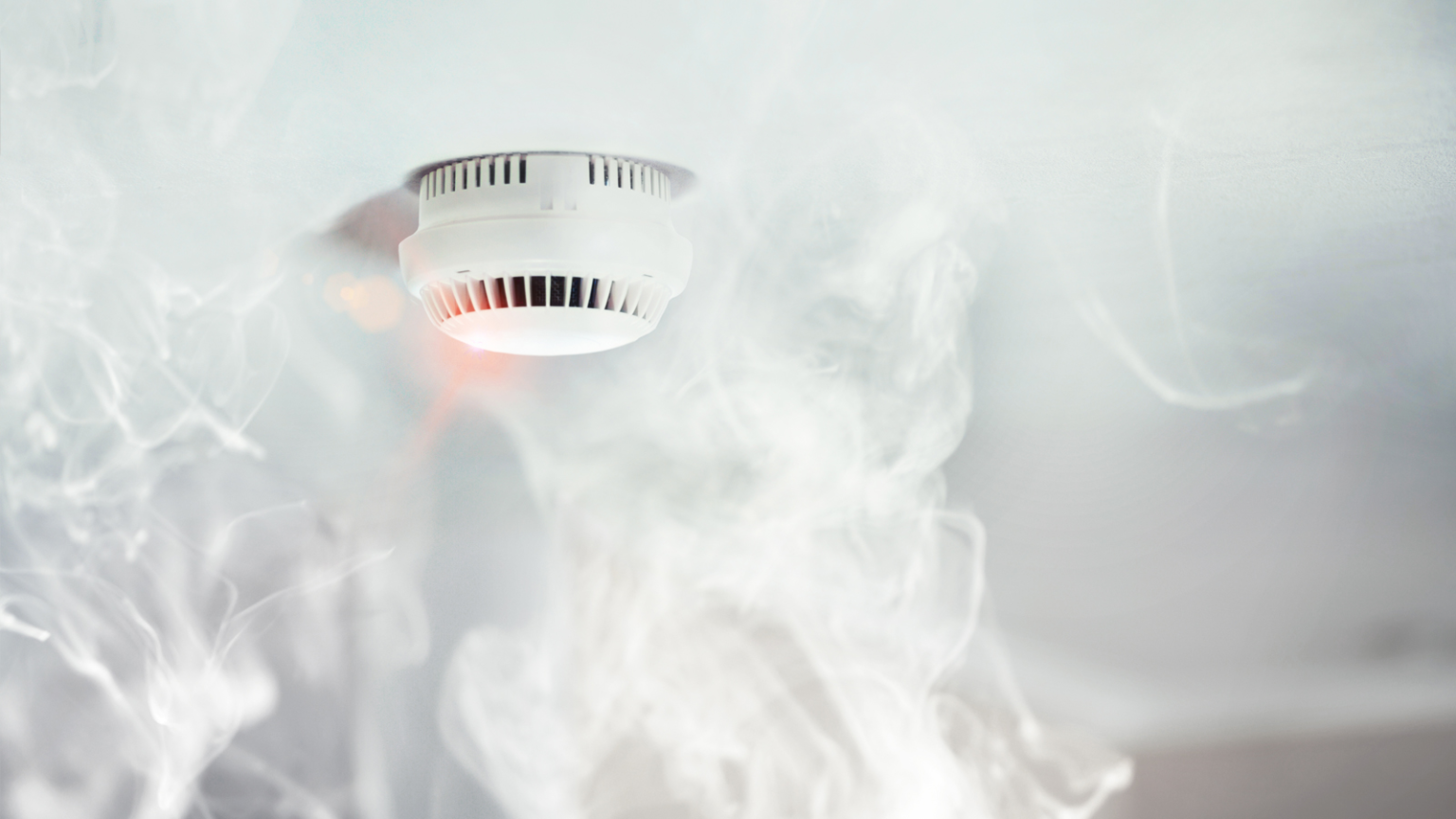
In the symphony of home safety, the fire alarm serves as both conductor and soloist, orchestrating a chorus of alerts that often confounds the untrained ear. A sudden cacophony of beeps can sound like an alarm from the underworld, demanding immediate attention. But what do these ominous signals truly signify? To decipher this auditory language, we must delve into the meanings behind the various beeps and tones emitted by fire alarms, transforming what can feel like chaos into a comprehensible narrative.
The Drill of the Three Beeps
Arguably, one of the most familiar alarm sequences is the ever-dreaded three beeps. Picture an ancient bell tolling, echoing through a foggy night. Three distinct tones often indicate the presence of smoke or fire. It’s as if the alarm has donned its cape, transforming from a mere sentinel into a vigilant guardian, calling for urgency. When you hear three beeps, it’s time to act swiftly: evacuate the premises, check for signs of smoke, and call emergency services if necessary. This sound is a clarion call that should not be ignored.
The Foreboding Double Beep
In stark contrast lies the disconcerting sound of two beeps. This particular rhythm often signals a need for attention beyond a fire-related emergency; it typically indicates a low battery or malfunction in the unit. Imagine a tired sentinel in the fortress of your safety, struggling to remain vigilant. When the fire alarm emits this double beep, it’s alerting you, begging for a new source of energy to rejuvenate its watch. Regular maintenance, including battery replacement, is crucial; a functional alarm is your first line of defense.
The Lament of the Single Beep
If the alarm lets out a solitary beep, it might seem less urgent, yet it is no less important. This sound often signifies the end of a battery’s life or further mechanical issues demanding your attention. The alarm is akin to a tired warrior, leaning against the wall, sighing for rest. In this case, it’s imperative to inspect the device and consider replacing it altogether. Ignoring this subtle plea could leave you vulnerable when the stakes are highest.
The Intermittent Chime: A Beacon of Warning
An intermittent chirp or chime, often happening every 30 seconds or so, represents a low battery warning or a device malady urging immediate attention. Envision a siren on a distant ship — a reminder that the vessel is in need of assistance. Just as every crew member quickly rallies in response, so too must you. Embrace this chime as a gentle nudge, guiding you toward timely maintenance.
The Azure Light: Silent Alarm Features
While it is easy to concentrate on sounds, it’s vital to remember that fire alarms can take on a visual aspect as well. Many devices are equipped with dual functions — a blinking light accompanying the alarm sounds. In urban folklore, the azure light serves as an ethereal beacon, guiding the way to safety. When the light flashes, it generally correlates with alerts about smoke or battery issues. Pay close attention, as these visual cues can provide critical secondary warnings.
Different Tones for Diverse Dangers
Beyond mere battery checks and smoke alerts, some modern alarms employ distinctive tones for specific alerts. For instance, carbon monoxide detectors may emit a different sequence entirely. Imagine a skilled actor changing roles on stage, each tone delivering a unique message, each sound sculpting a narrative of its own. Become attuned to the subtleties; mastering the lexicon of your fire alarm could one day be the difference between confusion and clearheadedness in a moment of crisis.
Why Heed the Call?
Awareness fosters preparedness. Being equipped with knowledge transcends the mere act of understanding; it becomes a life-saving imperative. Just as a detective pieces together nuances from a convoluted case, homeowners must analyze each beep and blink, interpreting signals to uphold safety. Regular maintenance, routine checks, and replacement of aging units ensure that your vigilant guardian remains in peak condition, ready to respond at a moment’s notice.
Creating a Safety Plan
As the sound of a beeping alarm transfers from ominous to actionable, creating a safety plan becomes paramount. Effective communication and practice can transform alarm signals into rehearsed responses. Conducting fire drills transforms an abstract worry into tangible preparation, enabling everyone within the household to respond correctly, transforming chaos into organized action. Such practice could be the crescendo leading to a harmonious escape in times of need.
Technological Advancements: The Future of Fire Safety
In an age ruled by technology, fire alarms are evolving into smart devices, seamlessly integrating into home networks. These intelligent systems often send alerts to smartphones and complex monitoring centers, enhancing responsiveness from reactive to proactive. It’s as though a mystical oracle foresees potential dangers, a sentinel that stands watch from afar. Embracing such innovations could markedly improve safety measures in households everywhere.
The Takeaway
Understanding what it means when the fire alarm beeps can transform your relationship with safety devices from one of trepidation to informed vigilance. No sound should escape your attention, be it the urgent three beeps of a fire alert or the plaintive call of a dying battery. Each tone carries significance and heralds an important message worth heeding. Embrace this auditory vocabulary; let it guide, inform, and protect you in the symphony of home safety.












