
The human body is an intricate orchestra of biological systems, each playing its part in the symphony of life. Among these systems, the urge to consume meat is an enigmatic cue that many experience at various points in their lives. If you’ve ever found yourself salivating at the thought of a juicy steak or a hearty chicken roast, it begs the question: what does it truly mean when you crave meat? This phenomenon encompasses nutritional needs, psychological dimensions, and even cultural influences. This article delves deep into the multifaceted nature of meat cravings, promising to shift your perspective on what your body is signalling.
Understanding Basic Nutritional Needs
At the crux of meat cravings often lies a deficiency in certain nutrients. Meat is an excellent source of high-quality protein, packed with essential amino acids that are imperative for muscle repair and overall bodily functions. It is also replete with vital nutrients such as iron, zinc, and Vitamin B12, each playing a crucial role in maintaining optimal health. When your body lacks these nutrients, it might express its desire for meat as a way of demanding replenishment.
Iron, for instance, is crucial for the formation of hemoglobin, which carries oxygen in your blood. A noticeable craving for red meat, such as beef or lamb, could signal a need for iron—a common deficiency that can lead to fatigue and weakened immune response. Vegetarians and those adhering to plant-based diets often find themselves grappling with this issue, leading to cravings that are hard to ignore.
The Role of Amino Acids
Amino acids are the building blocks of protein and play a pivotal role in neurotransmitter function. Meat is a particularly rich source of certain amino acids like tryptophan, which is a precursor to serotonin, the neurotransmitter often dubbed the “feel-good” hormone. It’s intriguing to consider that a craving for meat might not solely be attributed to physical nutritional needs. It could instead be a subconscious yearning for emotional wellbeing and mental stability, sparked by the brain’s plea for that potent hit of serotonin.
Psychological Factors at Play
Cravings are often steeped in psychological dimensions. Emotional eating—a term that denotes consuming food in response to emotional states rather than hunger—can amplify the desire for comfort foods, which often includes meat-based dishes. A bowl of hearty beef stew or spicy chicken curry can evoke feelings of nostalgia, warmth, and security, connecting you back to cherished memories or familial traditions.
Moreover, the societal norms surrounding meat consumption contribute to the psychology behind cravings. In many cultures, meat is embedded within celebratory meals and social gatherings. This cultural significance can create an emotional attachment that triggers cravings even when you are not biologically in need of meat.
Biological Rhythms and Hormonal Signals
It is also vital to consider the biological rhythms that govern our appetites. Hormonal fluctuations, influenced by cycles such as menstruation or daily circadian rhythms, can alter cravings significantly. During intense physical exertion or stress, cortisol levels can rise, leading to increased cravings for energy-dense foods, which often include meat.
Studies suggest that during specific times, such as a woman’s menstrual cycle, cravings for nutrient-dense foods like meat can increase. This subtle yet powerful interplay between hormones and cravings is a testament to how closely our physical and emotional states are intertwined.
Exploring Alternatives
For those who find a consistent craving for meat concerning, it may be worthwhile to explore alternative sources of the nutrients craved. For instance, lentils and spinach are excellent plant-based sources of iron. Incorporating foods rich in Vitamin B12, such as fortified cereals or nutritional yeast, can help mitigate deficiencies without resorting to meat consumption. Considering the myriad nutrient-dense offerings from the plant kingdom could provide a fresh perspective on cravings, potentially empowering you to embrace a more balanced diet.
Mindful Consumption and Awareness
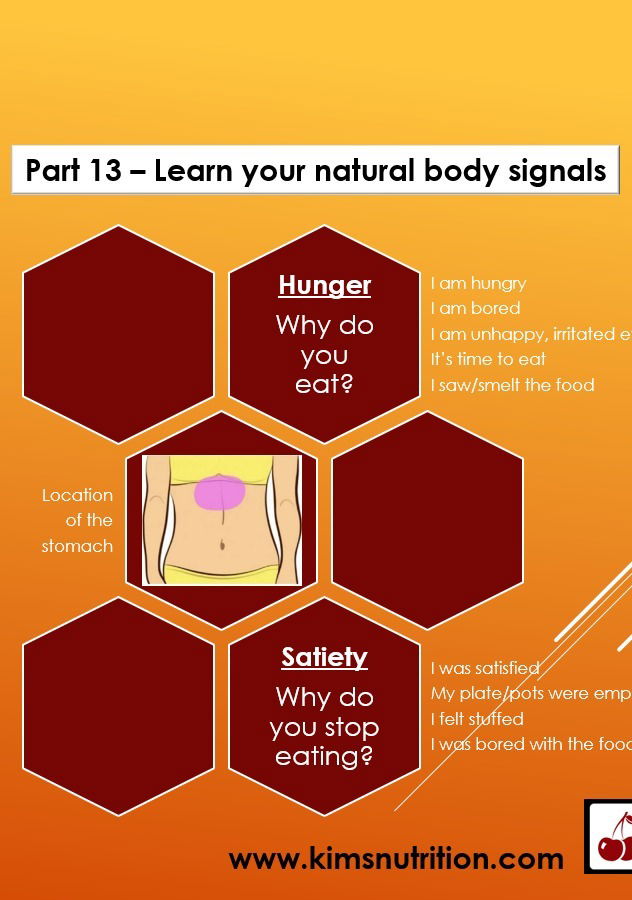
Awareness of cravings involves a mindful approach to your eating habits. Instead of succumbing mindlessly to a meat craving, take a moment to reflect. Are you genuinely hungry? Could your craving be more about emotional fulfillment than nutritional necessity? Engaging in this introspection can lead to healthier eating patterns and a more harmonious relationship with food.
When Cravings Signal Underlying Issues
Not all meat cravings are benign; sometimes, they may highlight underlying health concerns. For instance, persistent cravings could be a symptom of deficiencies or other issues such as anemia, stress, or even hormonal imbalances. Consulting a healthcare professional to explore these cravings further could provide insights into your overall health picture, addressing any underlying issues effectively.
Conclusion: Listening to Your Body’s Signals
So, what does it truly mean when you crave meat? It serves as a reminder that our bodies are continually communicating with us, yielding insights about our nutritional needs, emotional states, and societal influences. By tuning in to these signals, one can cultivate a more profound understanding of personal dietary requirements while navigating the complexities of cravings and connections to food. This ripple of awareness transcends individual cravings, fostering a holistic relationship with nutrition and self-care that nourishes both the body and the mind.












