
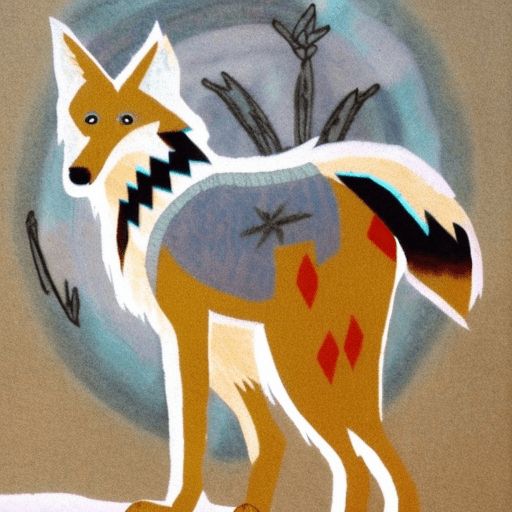
Coyotes, with their iconic silhouette and haunting calls, have long occupied a unique space in the intersection of nature and mythology. Observing a coyote in the wild can evoke a plethora of emotions—curiosity, awe, and even trepidation. However, beyond mere observation, many cultures imbue these creatures with rich symbolism that speaks to deeper truths and life lessons. This article delves into the multifaceted symbolism of the coyote and explores what it might signify when one crosses your path.
The Coyote in Cultural Mythology
Coyotes are often depicted in Native American folklore as tricksters—a dual archetype embodying wisdom and folly. They are perceived as cunning, with their antics serving as cautionary tales and lessons in humility. For instance, in many tribes, the coyote symbolizes the unpredictable nature of life. This reinforces the notion that one should remain adaptable and question the norm, as the journey is fraught with unexpected turns.
In various cultures, the coyote’s trickster nature also embodies the weaving of balance between good and evil. It reminds us that even in the pursuit of wisdom, there may be inherent paradoxes, encouraging us to embrace complexity rather than shun it. This duality prompts introspection and challenges us to reconsider our perceptions of morality.
Observing a Coyote: A Personal Encounter
When one encounters a coyote, whether in a desert landscape or an urban setting, it can be a strikingly personal experience. Such an encounter may invoke immediate instincts—fear, wonder, or a sudden understanding that nature thrives despite urban encroachment. Each sighting is uniquely impactful, meaning different things to different individuals based on their life experiences. For some, it may serve as a reminder to reconnect with natural instincts and embrace the wildness within. For others, it may signify a call to explore their innate cleverness and resourcefulness.
Spiritual Significance of the Coyote
The spiritual implications of a coyote sighting are often profound. Many believe that their appearance functions as a message or omen. In spiritual frameworks, a coyote signifies the need to embrace playfulness or explore the layers of one’s identity. It encourages individuals to shed seriousness and adopt a more lighthearted approach to life’s dilemmas. This might manifest in the form of a nudge to let go of rigid plans and remain open to serendipitous opportunities.
For some, the coyote embodies the spirit of transformation, acting as a catalyst for personal change. When a coyote appears, it may prompt reflection on areas in life that necessitate adaptation. The creature symbolizes rebirth—a shedding of old skins and an invitation to evolve into a more authentic self.
Adventurous Spirit and Exploration
Coyotes are often associated with trails unknown, roaming far and wide in search of sustenance and companionship. Their resilience and adaptability serve as potent reminders of the importance of exploration in one’s life. Observing a coyote urges many to embrace travel, both physically and metaphorically. It invites an exploration of new ideas, cultures, and philosophies. Those encountering a coyote may feel an impulsive urge to take a leap into the unknown, to embrace spontaneity, and to cultivate a sense of adventure in life.
Coyotes as Messengers: Personal and Universal
The coyote’s presence often signals a communication from the universe. This message could pertain to personal circumstances—an invitation to reassess relationships, career paths, or life’s trajectory. Coyotes symbolize the potential for shifts and changes, acting as a reminder that stagnation may lead to discontent. Their message often revolves around embracing life’s intricate tapestry with an open heart and mind, suggesting that adaptability may lead to enhanced wisdom.
On a broader scale, the coyote is seen as a messenger calling attention to collective consciousness. They embody the need for humanity to reconcile with its natural roots and environmental responsibilities. The act of seeing a coyote might stir feelings of responsibility towards sustainability and conservation, urging society to embrace ethical stewardship of the planet.
The Psychological Dimension: Insights and Introspection
From a psychological perspective, the coyote can represent parts of ourselves that we may prefer to ignore. Shadows of the psyche often surface in the shape of tricksters, unveiling suppressed truths or desires. Meeting a coyote can facilitate a confrontation with one’s own internal conflicts, encouraging self-exploration and emotional honesty. The trickster nature of the coyote acts as a reflection of our predilection for deceit, challenging us to delve into the shadows of our own behaviors.
Conclusion: Embracing the Coyote’s Wisdom
The symbolism of the coyote weaves a complex narrative that ranges from the trickster—challenging conventions and exposing truths—to a messenger—urging exploration and adaptation. The next time you encounter a coyote, take a moment to reflect on what that experience might signify for your life. Whether it evokes introspection, spontaneity, or environmental stewardship, there is undeniable wisdom garnered from observing this enigmatic creature. Ultimately, seeing a coyote serves as a profound reminder: embrace the unpredictability of life, remain adaptable, and always be ready to explore the wild unknown.












