
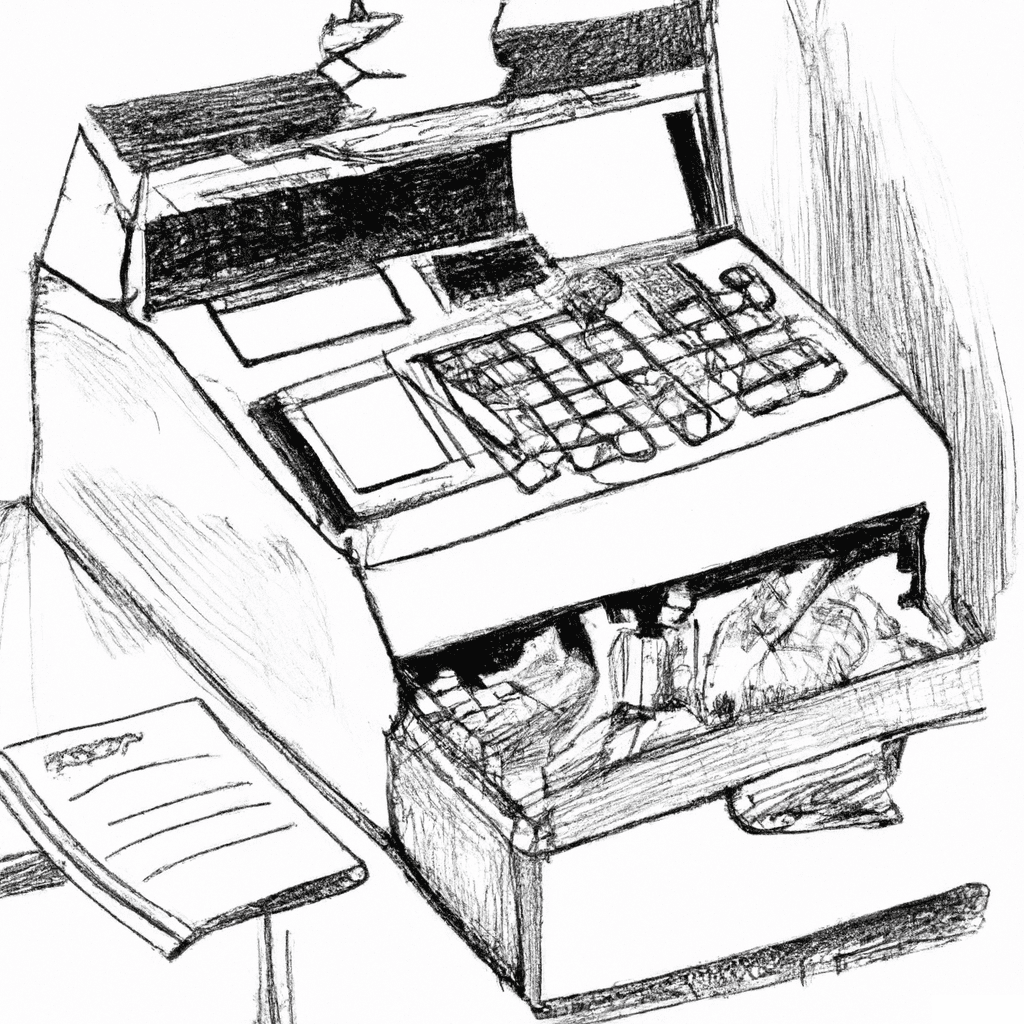
In the retail environment, managing cash effectively is pivotal for operational success. One of the recurring issues that retailers encounter is the concept of an “over drawer.” But what exactly does it mean when your cash drawer is over? Understanding this aspect of cash handling is essential for maintaining fiscal responsibility and ensuring smooth transaction processes. This article unfolds the complexity surrounding this phenomenon, exploring its implications, causes, and solutions.
To begin with, the term “over drawer” refers to a cash drawer containing a surplus of cash compared to what is expected based on sales data. Specifically, it can manifest as an excess amount above the predetermined float or a discrepancy in the cash count during reconciliation. These scenarios can provoke anxiety for both employees and management, but they also provide valuable insights into the broader landscape of cash management.
Types of Cash Drawers
Before delving deeper into what an over drawer signifies, it is crucial to differentiate between various cash handling systems used in retail:
- Manual Cash Drawers: These traditional drawers are operated with physical cash and are managed manually by retail staff. Reconciling cash in this system requires diligent note taking and counting, particularly when monitoring overages.
- Electronic Cash Drawers: Many retailers have transitioned to electronic systems that interface with point-of-sale (POS) solutions. This integration streamlines reporting processes, aiding in faster detection of discrepancies.
- Mobile Cash Drawers: With the advent of digital transactions, mobile cash drawers are becoming more prevalent. They allow cash management on the go, but also introduce a new layer of complexity, as staff needs to manage electronic records carefully to avoid overages.
Understanding the Causes of an Over Drawer
The emergence of an over drawer is not merely a matter of negligence; it can stem from various operational issues. Here are some prime culprits:
- Human Error: Simple mistakes in counting, entering transactions, or giving change can create significant variances. Staff may occasionally mistype an amount or misinterpret a denomination when processing sales.
- Inaccurate Sales Recording: If a sale is not accurately captured within the POS system, it can lead to mismatches between reported sales and physical cash, resulting in an over drawer during end-of-day reconciliations.
- Cash Handling Protocols: Lapses in established cash handling protocols may also contribute to discrepancies. Retailers need solid procedures that dictate how cash is managed to prevent overages.
- Fraudulent Activities: Although rare, overages can sometimes be indicative of theft or internal fraud. Employees may manipulate the cash drawer for personal gain, necessitating vigilant oversight and audits.
Implications of an Over Drawer
When a cash drawer is over, the ramifications can ripple through the entire operation:
- Increased Audit Scrutiny: An over drawer raises red flags and may trigger heightened scrutiny during financial audits, as the discrepancies might be perceived as potential mismanagement or internal issues.
- Financial Reporting Challenges: Consistent overages can distort financial reports, complicating cash flow management and creating inaccuracies that may mislead stakeholders.
- Employee Trust and Morale: If management is overly punitive regarding cash discrepancies, it can lead to mistrust among employees. A support-oriented approach is essential to maintain a positive working environment.
Strategies to Address Over Drawer Issues
Understanding the causes and implications of over drawers is just the beginning. Retailers must implement robust strategies to address this phenomenon effectively:
- Enhance Employee Training: Regular training sessions focused on cash handling protocols can empower employees, ensuring they are well-versed in best practices and reducing errors.
- Utilize Technology: Investing in advanced point-of-sale systems with real-time reporting can dramatically reduce the chances of discrepancies. Integrating mobile technology can also streamline cash handling processes.
- Implement Routine Audits: Routine cash drawer audits can help identify patterns of overages, informing adjustments in processes or policies. Audits encourage accountability and provide peace of mind.
- Establish Clear Protocols: Crafting crystal-clear cash handling guidelines can prevent confusion among staff. Regularly circulating these documents ensures everyone remains aligned.
Conclusion
In conclusion, understanding what it means when a cash drawer is over is essential for any retail establishment. The implications of these discrepancies may range from operational inefficiencies to potential financial inaccuracies. By examining the root causes, exploring the implications, and implementing effective strategies, retailers can not only mitigate the risks associated with overages but also foster a culture of fiscal responsibility. In the intricate world of cash handling, diligence and proactiveness are key to sustaining efficient operations and building a trust-filled environment.












