
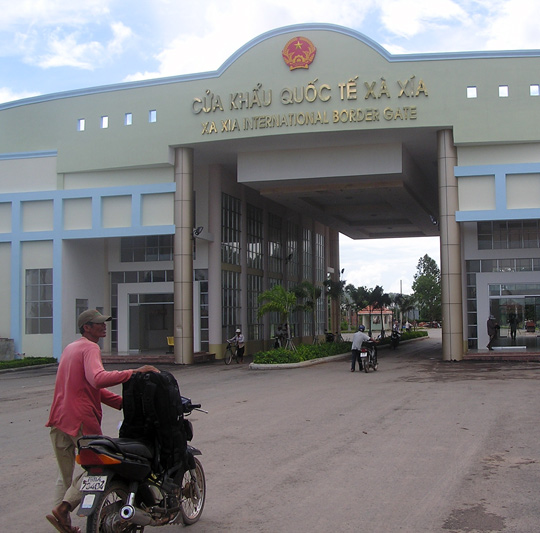
Traveling through Southeast Asia, many itinerants find themselves pondering the significance of the phrase “Last City/Port of Embarkation before Cambodia.” This expression captures an essential aspect of travel—an ephemeral moment that signifies transition and the promise of adventure. But what does this phrase connote? What allure does it hold for those venturing into the enchanting realms of Cambodia?
At its core, the “Last City/Port of Embarkation before Cambodia” serves as a metaphorical threshold. It is where travelers bid farewell to familiarity and embrace the unknown, marking the conclusion of their previous journey while anticipating the new experiences that lie ahead. Understanding this concept extends far beyond geographical boundaries; it delves into the cultural tapestry of the region and the significant implications behind embarking on such a journey.
The term “Last City” evokes images of bustling streets filled with life, an eclectic mix of locals and visitors alike. Cities like Ho Chi Minh City in Vietnam or Bangkok in Thailand serve as prime examples of these vibrant hubs. They possess an irresistible charm, acting as melting pots of culture, cuisine, and commerce. Travelers find themselves irresistibly drawn to these urban expanses, often spending days getting lost in the mesmerizing chaos, sampling street food, and engaging with the warmth of the people—each interaction laden with the promise of stories to unravel.
These cities may also harbor remnants of a bygone era, serving as historical touchstones. From the remnants of colonial architecture to modern skyscrapers, every corner whispers tales of its past while simultaneously pulsating with the modern dynamism of urban life. Visiting the last city thus becomes an exploration—not just of the spaces, but of the narratives that shape the identities of the people and places encountered.
On the other hand, the concept of a “Port of Embarkation” conjures an atmosphere steeped in anticipation. Ports, often the gateways to new territories, possess a unique ambiance—a blend of excitement and nostalgia, the fragrance of saltwater mingling with the scents of foreign spices. As travelers prepare to embark on their journey to Cambodia, they witness the ebb and flow of travelers boarding ships or flights, each one carrying dreams of discovery across the waves.
The juxtaposition of the mundane and the magnificent sustains the traveler’s imagination. Every ticket punched, every luggage item checked steeps the atmosphere in a sense of urgency; it’s the moment where dreams coalesce into reality. Such ports symbolize not just entry points into new countries but also the intrinsic desire for exploration that binds humanity together.
Yet, one cannot overlook the deeper psychological and emotional undertones of this phrase. For many, the act of leaving one place in pursuit of another is laden with symbolism. It embodies the journey of self-discovery—an opportunity to break away from the familiar constraints of everyday life. Archetypes of wanderlust often wrestle with conflicting emotions of trepidation and excitement, the juxtaposition between the safety of the known and the thrill of the unknown.
Moreover, the last city or port functions as a microcosm of the broader world. It embodies the confluence of diverse cultures and traditions, inviting a reflection on the global landscape. Visiting these transitional spaces prompts questions about privilege and accessibility. Why do some have the opportunity to embark on such journeys while others do not? This awareness ignites a deeper appreciation for the breadth of human experience and the myriad ways in which individuals navigate their realities.
In contemplating the journey to Cambodia, intrigue often centers around what lies beyond. Cambodia, with its rich history, captivating landscapes, and profound spirituality, beckons with a siren’s call to those captivated by the promise of adventure. The temples of Angkor Wat, the haunting echoes of the Khmer Rouge era, and the vibrant contemporary art scene create a tapestry that intrigues even the most seasoned travelers.
This pilgrimage to Cambodia becomes not only a quest for knowledge and experiences but also a means of engaging with a complex past. The last city or port serves as a prelude to this exploration, imbuing the journey with layers of meaning that resonate long after the actual trip concludes. The anticipation and thrill of venturing into Cambodia—a land rich with stories waiting to be unearthed—breathe life into the notion of embarking on an adventure filled with riches beyond imagination.
Ultimately, the phrase “Last City/Port of Embarkation Before Cambodia” evokes exploration, transition, and self-reflection. It encapsulates the essence of travel—a multifaceted experience that transcends physical boundaries and delves into the very heart of the human experience. As travelers contemplate their journey, they embrace the thrill of the unknown, ready to immerse themselves in the diversity and depth of Cambodia’s culture and history. Each journey, marked by anticipation and discovery, offers an opportunity to transcend the limitations of everyday existence and to nourish the insatiable wanderlust that resides within each of us.












