
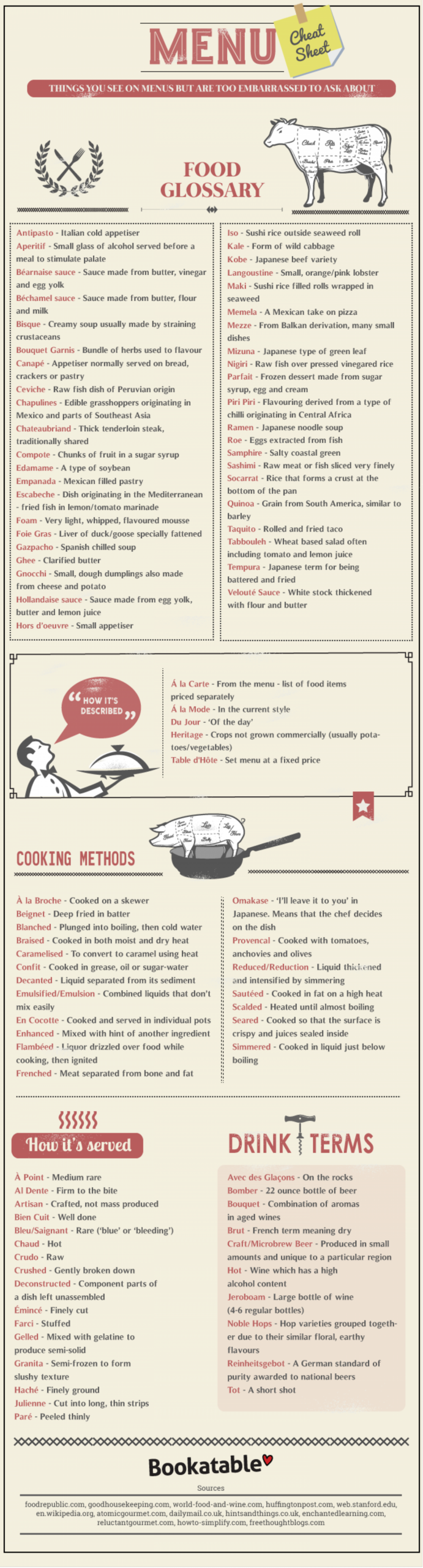
When perusing a menu at a fine dining establishment or a casual eatery, you might come across the abbreviation “M/P.” As you question its meaning, it becomes the perfect embodiment of culinary jargon that punctuates our dining experiences with curiosity and intrigue. Unraveling such abbreviations not only enhances our understanding of what we consume but also highlights the etymology behind the terms we often take for granted. In the realm of gastronomic exploration, understanding what M/P signifies is just one of the many layers to be peeled back.
M/P typically stands for “Market Price,” a term utilized primarily in reference to seafood and certain specialty items whose prices fluctuate based on availability and seasonal conditions. The ambiguity of “market price” transforms the menu experience into a dynamic interaction between diner and chef, creating an element of suspense akin to opening a present, where patrons eagerly anticipate not only the dish itself but also its cost. You may find yourself in a situation where an enticing crab dish beckons but requires you to inquire about the market price before fully committing—an engagement that often leads to a deeper appreciation for the meal at hand.
Understanding why certain dishes are labeled with M/P invites us into the underlying realities of the food industry. From fluctuating fish populations due to overfishing and environmental changes to economic factors affecting the supply chain, market price serves as a reminder that food is far from a static product. For instance, the ebbs and flows of salmon caught in the Pacific Northwest might influence prices drastically due to seasonal fluctuations or sustainability practices adopted by local fisheries. Thus, your menu’s M/P item not only tantalizes your taste buds but also offers a window into the ecological and economic tapestry that sustains the culinary world.
The use of M/P is also rooted in the culture of dining out. In many ways, it reflects a restaurant’s commitment to freshness and quality. When chefs select ingredients based on what the market offers, they often use M/P as a way to showcase their culinary responsibility. This kind of engagement with fresh, local, and seasonal ingredients resonates with a growing demographic of diners who prioritize sustainable and ethically-sourced food. For these patrons, the floating prices symbolize commitment to quality rather than mere opportunism.
While the M/P designation can sound intimidating to some diners, it can often be a gateway to discovering delightful gastronomic treasures. Suppose you find yourself drawn to an M/P dish such as lobster. This delightful crustacean’s price might vary from one evening to another depending on the day’s catch or even the time of year, creating an invitation to explore something that might be outside your usual repertoire. In this context, M/P may not merely signify a fluctuating cost, but also an opportunity for culinary exploration.
Culinary tourism often follows such terms into deeper waters—quite literally, as you may encounter fresh catch specials listed as M/P in coastal dining establishments. As you sail through the evening’s offerings, consider how dining is not just an isolated act but a cultural exchange inspired by geography. The M/P items reflect the fishermen’s skills, the chefs’ creativity, and nature’s bounty—creating an experience as momentous as the dish itself. Dining becomes an immersive journey where each plate tells a story shaped by currents and tides.
It is essential to note that M/P reflects a significant departure from the fixed-price structure often associated with more conventional menu offerings. This homage to the fluidity of nature can instigate a variety of emotions in diners. Some relish the adventure of unpredictability, while others may feel disconcerted by the uncertainty of what their meal will ultimately cost. That said, this very tension adds to the multifaceted nature of modern dining culture, touching on notions of trust and budgeting.
Engaging with menu terms like M/P educates diners on the cyclical and interconnected world of food production. With hashtags like #EatLocal and #SustainableSeafood trending across social media platforms, consumers are increasingly inclined to support eateries that prioritize truth in sourcing, prompting restaurateurs to embrace transparency in their pricing strategies. An M/P designation jolts diners awake to the realities of ecosystem management and food ethics. It signifies a shift in mindset—from mere consumption to conscious participation in the shared responsibility of food stewardship.
Dining is a celebration, an exploration of cultural heritage, and a journey into the realm of shared human experience. As we delve into the meaning behind abbreviations like M/P, we recognize the narratives swirling beneath our plates. In celebrating the market price, restaurants invite us to partake in the delicate balance between human activity and nature’s whims. Each meal purchased at market price becomes not merely a plate of food, but a testament to the intricate dance of supply, demand, and environmental stewardship.
As you sit down to enjoy your meal and ponder over the choices presented before you, remember that those three letters, M/P, signify much more than just a cost—they evoke a sense of accountability and adventure. The next time you see it on a menu, embrace it; let it inspire your culinary journey and encourage thoughtful discourse around your dining experience. In a world filled with constant change, market price stands as a symbol of connection between chefs, suppliers, and diners. The next bite you take may not only satisfy your palate, but also resonate with the broader narrative of our food heritage.












