
When the sky darkens and dread mounts, the specter of mandatory evacuation looms large over communities, particularly in the face of natural disasters. The term “mandatory evacuation” sends ripples of urgency through towns, evoking a complex tapestry of emotions ranging from fear to resolve. But what does it truly mean? Below, we dissect the essence of mandatory evacuation and explore the intricacies of emergency orders.
Defining Mandatory Evacuation
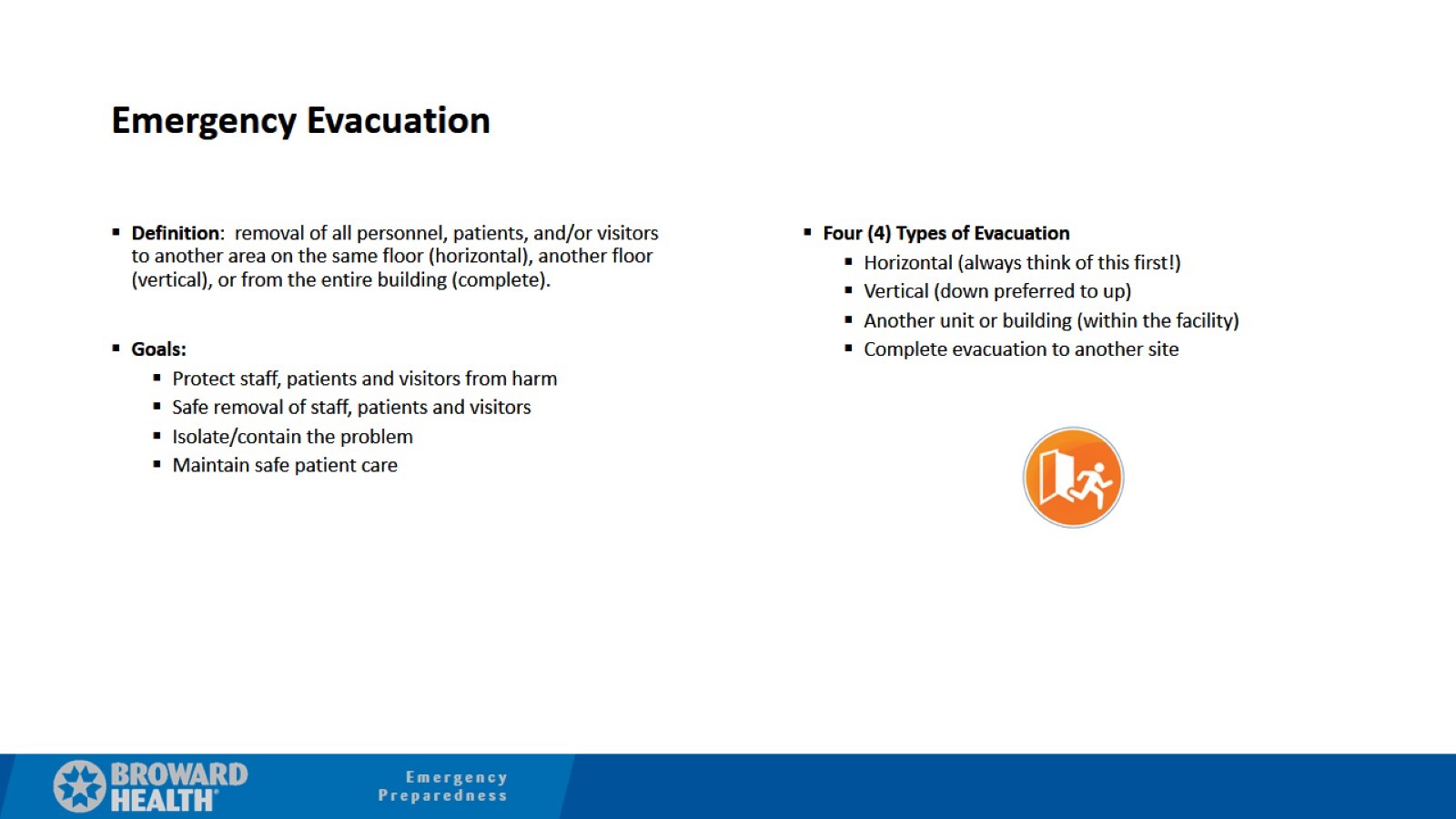
At its core, a mandatory evacuation order is a directive issued by local or state authorities, compelling inhabitants of a specified area to leave immediately due to imminent danger. This could arise from various threats—including hurricanes, floods, wildfires, or hazardous material incidents. The issuance of a mandatory evacuation signifies a critical juncture where the risks surpass the safety thresholds the community can withstand.
In essence, this order transforms emotional considerations into a pragmatic necessity. Residents may grapple with the emotional weight of leaving their homes, yet the ramifications of ignoring such an order can be dire. The government’s primary aim is to preserve life, ensuring that residents vacate to safer locales where the possibility of harm is significantly mitigated.
The Mechanisms Behind Emergency Orders
Emergency orders, including mandatory evacuations, are typically grounded in thorough risk assessments. Local emergency management agencies undertake collaborative evaluations, often in tandem with meteorological experts and law enforcement personnel. They gauge the impending threat, establish evacuation zones, and analyze logistics, determining feasible routes and destinations for evacuees.
Once a decision is reached, the urgency of communication cannot be overstated. Authorities employ a myriad of channels—from social media alerts and public announcements to sirens and door-to-door notifications—to convey the critical nature of the situation. The architecture of communication is crucial; comprehensibility and immediacy are vital components in ensuring the populace understands the gravity of the situation.
The Psychology of Evacuation
Mandatory evacuations also traverse deeply into psychological territory. Human beings are inherently resistant to change, and many feel an overwhelming connection to their residences. Leaving possessions behind is often laden with emotional turmoil—what should one take? What if one’s home is irreparably damaged? These weighty decisions can flash like lightning in the minds of reluctant evacuees.
Furthermore, there exists a certain psychological phenomenon known as “normalcy bias,” where individuals underestimate the likelihood of disaster despite overwhelming evidence. This can lead to unfortunate outcomes, as residents may mistakenly believe they can weather the storm or that the authorities are exaggerating the dangers.
Implications of Disobeying Evacuation Orders
Ignoring a mandatory evacuation order is a perilous gamble, with repercussions that can extend far beyond individual safety. Beyond personal risk, defiance could strain emergency resources. First responders, tasked with rescuing those who chose to stay, can find themselves stretched thin amidst the chaos. If the unthinkable occurs, with a natural disaster manifesting in full force, responding to distress calls from those who undeniably disregarded the order can lead to tragic outcomes.
Moreover, insurance ramifications loom large; many home insurers have clauses that can complicate claims if a homeowner neglects an official order. The consequences of noncompliance could thus reverberate financially, long after the storm has passed.
Steps to Take During a Mandatory Evacuation
When faced with a mandatory evacuation order, the onus is on residents to respond swiftly and effectively. Here are some critical steps to ensure safety:
- Stay Informed: Constantly monitor news outlets and official social media channels for the latest updates and instructions from local authorities.
- Emergency Kit: Prepare an emergency kit that includes essential supplies such as medications, documents, and non-perishable food items. A well-assembled kit can make a significant difference during the chaos of an evacuation.
- Plan Your Route: Familiarize yourself with evacuation routes and have a backup plan. Conditions may change rapidly, and understanding alternative pathways can save valuable time.
- Communicate: Inform family members and friends of your plans. Establishing check-in points can alleviate stress and ensure that loved ones know your whereabouts.
- Consider Pets: If you have pets, make necessary arrangements for their safety. Many evacuation centers have specific policies regarding animals, so understanding these can aid in a smoother transition.
The Aftermath of Evacuation
Once the storm has passed and it becomes feasible to return home, the challenges are far from over. Structural damages may ensue, leaving unimaginable consequences in their wake. Authorities often issue assessments on when it is safe to return, as uninhabitable conditions could still prevail. Residents must also contend with potential clean-up efforts and insurance claims—a painstaking yet essential process for reclaiming their homes.
In conclusion, mandatory evacuation is not merely a legal stamp of authority; it represents an essential safeguard for individuals and communities in the face of pervasive danger. By understanding the nuances of emergency orders, the psychology of evacuation, and the practical steps to take during such a crisis, individuals can navigate these tumultuous waters with a sense of preparation and awareness. The stakes are indeed high, but with knowledge comes the power to confront adversity and emerge resilient.












