
In the world of real estate, terminology often takes on nuanced meanings that can bewilder the uninitiated. When you come across the phrase “no outlet,” it may raise questions about its implications in various contexts, particularly concerning electrical systems and property listings. Understanding this term is vital for both buyers and sellers, as it has far-reaching implications in terms of practicality, safety, and ultimately, value. This article delves into the definition and significance of “no outlet,” its relevance in real estate, connections to electrical terminology, and what potential homeowners should consider.
Defining “No Outlet”
The term “no outlet” typically denotes a street that does not lead to an exit. Such roads are characterized as cul-de-sacs or dead ends. In a residential context, the implications of a no outlet street can influence both convenience and desirability. While some potential homebuyers may relish the tranquility associated with low traffic, others may be deterred by the isolation. It’s essential to grasp that “no outlet” relates to both access and lifestyle within a neighborhood.
This terminology also carries implications in electrical vernacular. In this context, “no outlet” may refer to electrical situations where a circuit does not have a dedicated power source accessible at the point of use. For instance, a room on a property might not have any outlets for electrical appliances, which can be a significant concern for potential buyers looking for convenience.
Understanding Electrical Implications
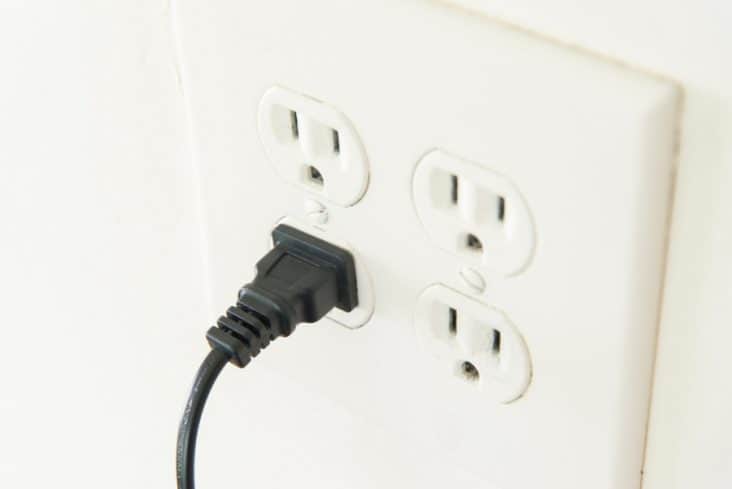
In order to grasp the term “no outlet” in the electrical sense, it’s crucial to familiarize oneself with basic electrical concepts. Outlets, or receptacles, serve as crucial interfaces for electrical devices, allowing users to power radios, televisions, and other appliances. A lack of outlets in a home can pose significant inconveniences, emphasizing the importance of knowing the electrical layout before making a decision on a property.
Consider the implications of a home designated as having “no outlets” in any room or area. This may indicate that either the room was not designed for heavy electrical usage or that previous owners may have opted not to install outlets for aesthetic or practical reasons. In properties where an electrical outlet is absent, retrofitting new outlets can be a costly and time-consuming endeavor, leading to unanticipated financial liability for unsuspecting buyers.
The Intersection of Real Estate and Electrical Terms
When analyzing property listings, the phrase “no outlet” may also play a significant role in determining the desirability and valuation of a home. Cul-de-sacs, often considered “no outlet” areas, can be attractive for families looking for a sense of community and safe play areas for children. That said, these characteristics alone do not dictate the overall market value; other factors, such as the surrounding property’s features, also play a role.
Real estate agents often find themselves balancing these intricate factors. A well-kept home on a no outlet street can be very appealing, while a poorly maintained one tucked away at the end of such a street may deter buyers. Furthermore, the concept of “no outlet” encapsulates a unique lifestyle; residents may enjoy the quiet ambiance free from cut-through traffic or downfall from being removed from the busyness of larger roads.
Considerations for Potential Homebuyers
When considering a home with “no outlet” in either the road or electrical sense, here are critical aspects future homeowners should assess:
- Traffic Flow: Understand how a street’s layout impacts daily life, especially if there are children or pets in your household. Are the roads safe for play? Does the lack of through traffic reduce noise?
- Access to Services: A no outlet street may mean that access to essential services could be less convenient. Consider travel distance for grocery shopping, schools, and healthcare facilities.
- Future Electrical Needs: Anticipate your electrical requirements for modern living. Will the absence of outlets hinder your day-to-day activities? Consider future technologies—like electric vehicles—that may demand an updated electrical setup.
- Home Value: Research how properties located on no outlet streets have fared in terms of resale value. Neighborhood desirability can shift dramatically over time; be mindful of market trends.
- Potential for Upgrades: If considering a property with no electrical outlets in critical areas, factor in the cost of electrical work for renovations. Will you be handsomely rewarded for such investments down the line?
The Importance of Professional Inspection
Before finalizing any real estate transaction, engaging a qualified home inspector is paramount. They can assess both the physical integrity of the property and the electrical systems present, providing insights into whether upgrades will be necessary or advisable. Moreover, their expertise may reveal additional factors that could affect your decision, including wiring safety, previous electrical issues, or potential for future risks.
Concluding Thoughts
Understanding “no outlet” is not merely about road access; it extends to the intricacies of electrical systems within a home. For prospective buyers, being aware of these dimensions will facilitate well-informed decisions, ensuring both functionality and livability in their future residence. Whether exploring the tranquility of a cul-de-sac or contemplating a home with limited electrical options, comprehensive research is essential.












