
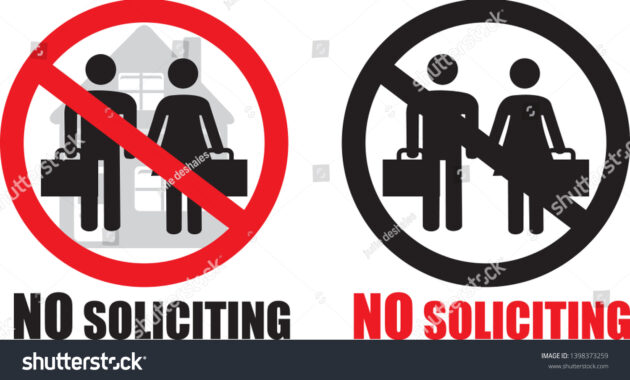
Have you ever been interrupted at home by a door-to-door sales agent or an earnest-looking representative peddling dubious products? Annoyed, you may have wondered, “What can I do to keep these intruders at bay?” Enter the concept of “No Solicitation.” But what does this phrase signify in the realm of property laws, and how can it be effectively employed? Let’s unravel the layers of meaning behind “No Solicitation” and explore its potential implications.
At its core, “No Solicitation” serves as a powerful statement, an unambiguous signal that one does not wish to entertain unsolicited visitors attempting to solicit business or requests. This phrase typically adorns placards or signs meticulously placed conspicuously at the entrance of a residence or business. But do these signs hold legal weight? Can they protect you from unauthorized annoyances? The answer, as you might anticipate, is both nuanced and fascinating.
To explore this topic effectively, we can segment our discussion into several key areas: the definition of solicitation, the types of solicitation, legal implications, ways to enforce no solicitation, exceptions to the rules, and the importance of signage.
Defining Solicitation
Solicitation, in layman’s terms, refers to the act of seeking to persuade someone to perform a certain action, often for monetary gain. In a legal context, it encompasses a range of activities from selling goods and services to simply seeking donations or support. Understanding this definition is crucial, as the nature of solicitation can vary vastly, encompassing everything from charity fundraisers to telemarketers.
Types of Solicitation
There exists a plethora of solicitation types that homeowners and business proprietors may encounter:
- Commercial Solicitation: This is perhaps the most common form, where sales representatives showcase services or products, often at inconvenient times.
- Residential Solicitation: This involves individuals or organizations going door-to-door, often for initiatives such as neighborhood improvement or community outreach.
- Political Solicitation: Campaign workers typically visit homes to promote candidates, raise funds, or generate voter support.
- Charitable Solicitation: Organizations often solicit donations in person, over the phone, or via mail.
Armed with an understanding of these types, one can better navigate the nuances of unsolicited inquiries. It becomes clear that the “No Solicitation” sign aims to curtail all these interruptions, allowing peace of mind in one’s own space.
Legal Implications of No Solicitation Signs
The legal weight behind “No Solicitation” signs can be somewhat convoluted. Most jurisdictions do not have explicit laws mandating the respect of such signs; however, their presence can significantly alter the dynamics of interaction. A “No Solicitation” sign may not automatically give homeowners the right to call the authorities on a persistent solicitor, but it can bolster their case should legal action become necessary.
From a legal standpoint, property owners retain the right to control access to their properties. When a solicitor disregards these signs, they could potentially be found trespassing. This legal framework forms the backbone of why these signs serve as an essential first line of defense against unwelcome disturbances.
Enforcement: How to Make Your Wishes Known
Displaying a “No Solicitation” sign is only the first step in creating a sanctuary from unwanted visitors. For the sign to have maximum efficacy, it should be:
- Visible: Position the sign at an eye-catching height and place it prominently, ideally near the front door or entrance.
- Clear: Use simple, direct language. “No Soliciting” is best, as you want to avoid any ambiguity.
- Durable: Choose weather-resistant materials for outdoor signs to ensure longevity.
In the event that unsolicited visitors neglect your clearly stated preferences, homeowners can take further steps. Initial approaches could involve simply requesting that they leave. For more obstinate solicitors, contacting local law enforcement may be warranted, especially in cases of harassment or trespassing. Documentation of the visits, including dates and descriptions can be very useful in such scenarios.
Exceptions to No Solicitation Rules
The Importance of Signage: Not Just for Homeowners
While homeowners may think of “No Solicitation” signs primarily, businesses can benefit equally. Establishing a clear boundary can help a company maintain focus and minimize distractions, thereby creating a more productive environment. Furthermore, businesses often attract a different type of solicitor, such as hawkers trying to sell ancillary products or services which, if unchecked, may blur the line between commercial and personal space.
In conclusion, the phrase “No Solicitation” may seem like a simple statement, but its implications are layered and multifaceted. While it serves as a shield from unwanted intrusions, the combination of understanding local laws, diligent enforcement, and thoughtful placement can empower individuals and businesses alike in their pursuit of peace and quiet. So the next time you spot a “No Solicitation” sign, take a moment to appreciate the layers of meaning it embodies and the boundaries it seeks to enforce.












