
The Journey of Understanding the Phrase “OSS”
Brazilian Jiu-Jitsu (BJJ), renowned for its intricate techniques and emphasis on leverage, presents a culturally rich tapestry of values and philosophies. At the heart of this martial art lies a term revered among practitioners: “OSS.” This simple yet profound expression embodies a respect that resonates deeply within the dojo’s sacred walls. Understanding its implications provides insight into the essence of BJJ and its unique etiquette.
Unpacking the Etymology of OSS
The term “OSS” is derived from the Japanese word “Osu,” which translates to “to push” or “to endure.” Yet, within the world of BJJ, its application transcends linguistics and articulates a philosophy of perseverance, respect, and commitment. Picture the word as a guiding light, illuminating the paths of dedicated practitioners who navigate the arduous journey of skill acquisition and personal development.
As a metaphorical bridge, “OSS” connects the ancient traditions of martial arts with modern interpretations. It symbolizes the martial artist’s collective spirit, fostering camaraderie among those who tread the grappling mat. To say “OSS” is to echo a heartbeat of solidarity that reverberates through the dojo, transcending individual aspirations.
The Multifaceted Meaning of OSS
In Brazilian Jiu-Jitsu, “OSS” serves various purposes, each layer adding richness to its meaning. Primarily, it acts as a greeting, a simple yet potent acknowledgment when stepping onto the mat or engaging with fellow practitioners. In its essence, this salutatory gesture conveys mutual respect, setting a tone of support and cooperation where united efforts thrive.
Additionally, “OSS” doubles as an affirmation, a verbal cue to reinforce commitment—whether it be during a grueling sparring session or while drilling complex techniques. It encapsulates an unwavering resolve, serving as a reminder to push oneself beyond perceived limits. Imagine the intensity of an impending match; uttering “OSS” energizes the air, fusing determination and valor into a tangible force.
Moreover, in the spirit of competition, the phrase becomes a rallying cry, a vocal ammunition that ignites the flames of willpower and ambition. It transforms moments of vulnerability into opportunities for growth, beckoning martial artists to embrace the challenge that lies ahead. Through “OSS,” practitioners invite both their opponents and their limitations to join the dance of challenge and resilience.
OSS as a Cultural Nuance in Martial Arts
As any refined art form, BJJ teems with nuanced traditions and customs. “OSS” personifies the respect inherent in martial arts, acting as a fabric that weaves together varying cultural threads. In a milieu where diverse backgrounds converge, this simple term highlights the unity achieved through shared discipline and common goals. Similar to a harmonious orchestra, where every instrument produces a unique sound, “OSS” blends every individual’s journey into a symphony of collective growth.
Furthermore, the use of “OSS” transcends verbal communication; it manifests through actions. The act of bowing before and after a sparring match or meticulously adhering to training protocols conveys the same gravity as proclaiming “OSS.” It reinforces the understanding that respect is manifest in both words and deeds, enriching the martial experience.
The Role of OSS in Etiquette
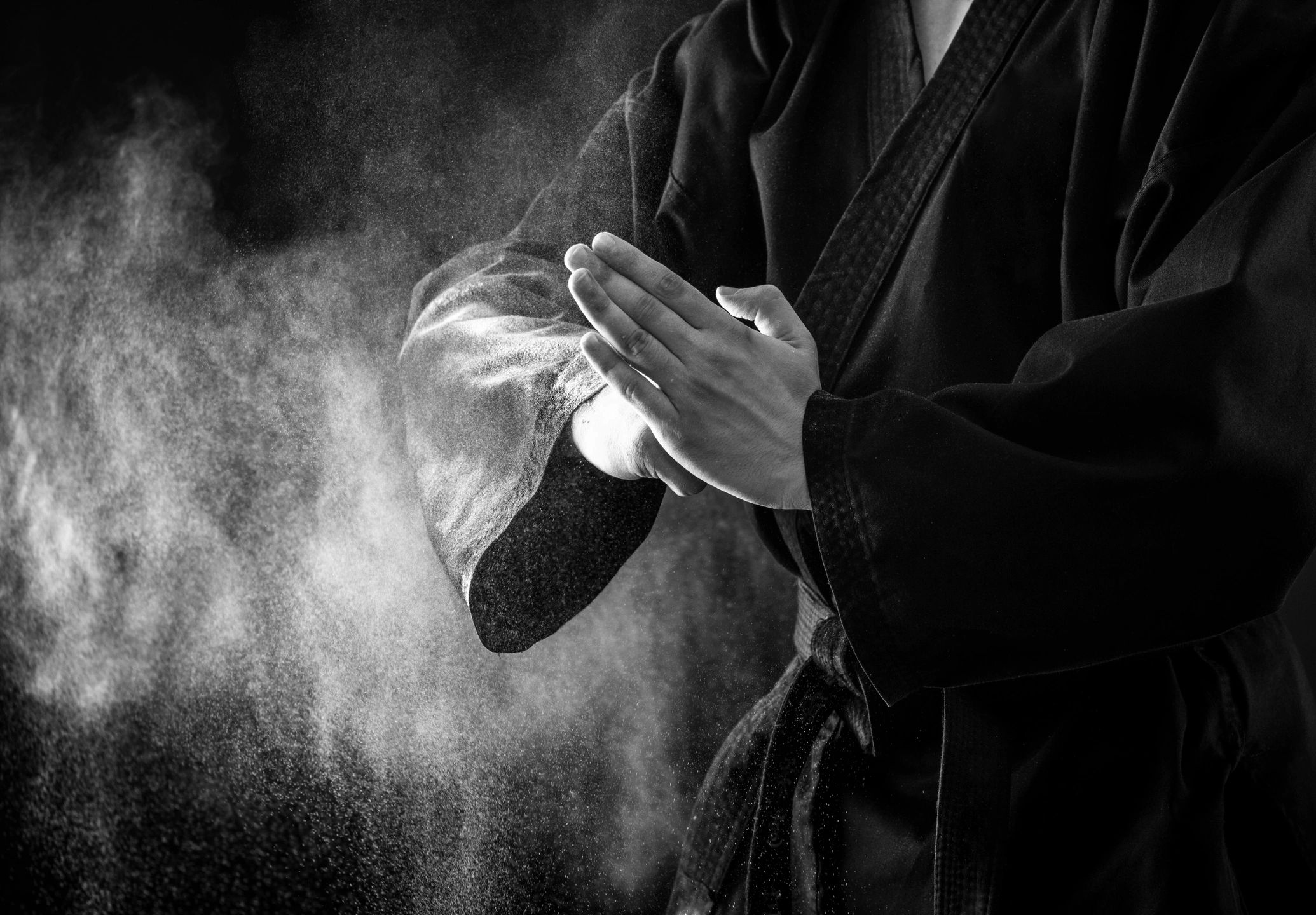
Martial arts etiquette, often regarded as one of the pillars of practice, is complemented by the ethos encompassed within “OSS.” To embody the spirit of “OSS” is to recognize the interconnectedness between practitioners, whether as adversaries or allies. When stepping onto the mat, it is paramount to pay homage to one’s instructor and peers. Bowing with intent followed by a heartfelt “OSS” encapsulates the essence of gratitude and acknowledgment—an unspoken covenant that every participant agrees to uphold.
This culture of respect fosters a sanctuary where novices and seasoned veterans learn side by side, dissolving hierarchical divides that may otherwise hinder growth. In this environment, one’s value is not measured solely by rank but by the willingness to share knowledge and foster community—principles that “OSS” embodies profoundly.
The Therapeutic Value of OSS
Furthermore, the term represents an intrinsic therapeutic component of BJJ. The act of uttering “OSS” during practice can act as a centering ritual, grounding practitioners amidst the whirlwind of physical exertion and mental strain. It serves as a reminder to breathe, to embrace the challenge, and to engage fully in the present moment. This act of mindfulness is particularly beneficial in grappling, where clear-headedness is paramount for executing techniques with precision and finesse.
Think of “OSS” as a mantra—a succinct phrase that encapsulates the focus and resolve needed to overcome obstacles. It transforms the mat into a sanctuary for self-discovery and builds the resilience necessary to navigate life’s broader challenges.
The Universality of OSS
“OSS” is not merely a term confined to the walls of a dojo. Its implications ripple through our daily lives, encouraging us to embody perseverance, respect, and community in all contexts. Just as martial arts practice extends beyond mere technique, the principles encapsulated within “OSS” invigorate our personal interactions, encouraging a spirit of collaboration and mutual respect.
In essence, “OSS” represents a philosophy that echoes through every punch we throw, every takedown we execute, and every moment spent honing our craft. It transcends the platform of Brazilian Jiu-Jitsu, becoming a universal herald of respect, perseverance, and authenticity. To embody “OSS” is to honor the journey of martial arts—the ebb and flow of resilience that mirrors life itself.
As practitioners step off the mat and into everyday life, the call of “OSS” beckons them to maintain a continuum of grace, tenacity, and respect, reminding us all that the journey is, indeed, cumulative—a tapestry woven of countless threads of experience, resilience, and mutual regard.












