
In the realm of employment and labor law, myriad acronyms and abbreviations can frequently baffle both employees and employers alike. One term that has gained traction in payroll discussions is Overtime MPS. Understanding what this means and its implications on payroll and pay rates is essential for those navigating the intricate landscape of work compensation. This article will delve into the meaning of Overtime MPS, its significance, and how it impacts both employees and payroll departments.
So, what does Overtime MPS entail? At its core, MPS stands for “Minimum Pay Structure.” This structure serves as a foundational element in determining how employees are compensated, particularly when it comes to overtime. The term indicates the baseline rates that employees should be paid, especially during overtime work, which is generally defined as hours worked in excess of the standard workweek—typically over 40 hours in most jurisdictions. Shifting our focus to MPS allows us to explore a captivating blend of legality and practicality in hourly wage assessments.
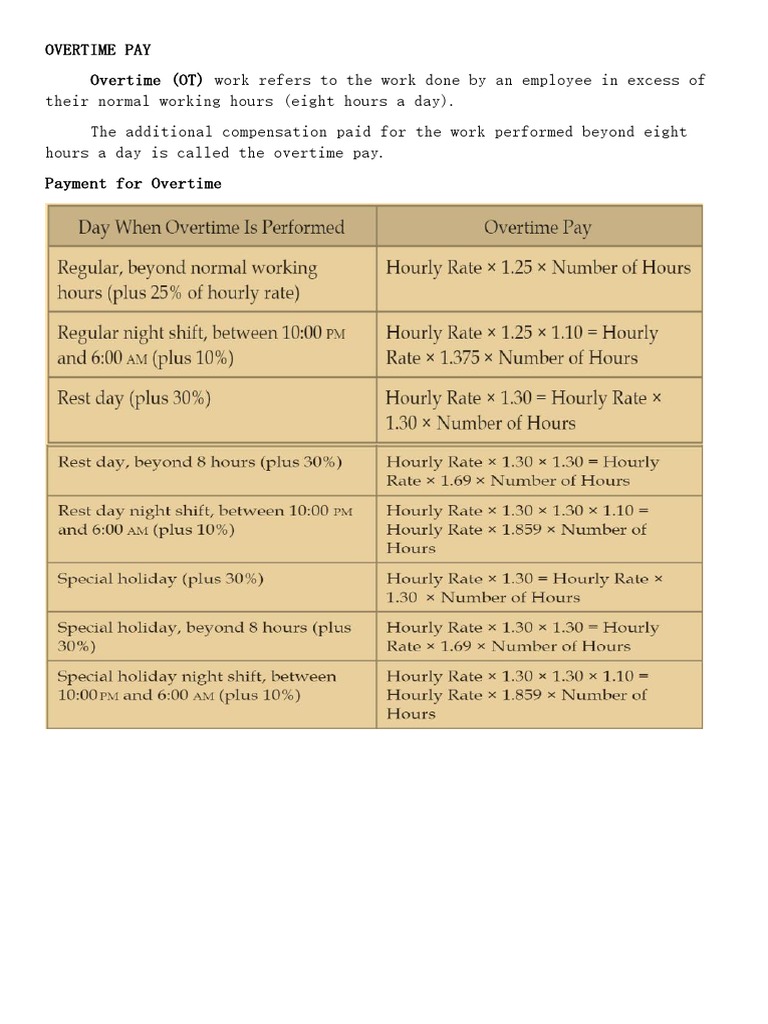
Overtime pay is a right protected by federal and state laws. Employers are obligated to compensate employees who work beyond the standard hours at a higher rate, usually at least one-and-a-half times the regular hourly wage. However, the magic of the Minimum Pay Structure lies in its ability to clarify how overtime should be calculated, ensuring that every worker receives their due. But how exactly does this mechanism function?
One of the most critical aspects of the Overtime MPS is its influence on payroll calculations. Employers must factor in several variables when determining the proper overtime rate. The complexity of this process can often lead to inconsistencies and errors, particularly in organizations with multiple classifications of workers. As such, a robust Minimum Pay Structure must delineate clear guidelines that govern pay rates across various employment scenarios.
Additionally, it’s important to note the variability that exists when it comes to MPS depending on the industry. For instance, a tech company’s Minimum Pay Structure might look vastly different than that of a manufacturing firm. Industries with union representation might have their own MPS established through collective bargaining agreements, further complicating the landscape. This disparity begs the question—how can an organization ensure that its MPS aligns well with both legal requirements and industry standards?
One solution is a comprehensive analysis of job roles and their respective pay scales. By conducting a meticulous job evaluation, employers can ascertain the nature of the work, the skill set required, and the prevailing wage rates within their geographic region. This dual approach not only fortifies the foundation of their Minimum Pay Structure but also enhances employee morale and trust in the employer’s commitment to fair remuneration.
As we further unravel the intricacies of Overtime MPS, it becomes apparent that the communication of this structure within an organization is paramount. Employees must be well-informed about how their pay is calculated, and what constitutes overtime work under the established MPS. Such transparency fosters a culture of accountability and ensures compliance with labor laws—two essential components for any successful workplace.
Besides transparency, the implementation of technology in tracking work hours can revolutionize how organizations manage overtime payments. With advanced payroll systems, employers are equipped to automatically calculate overtime based on the defined MPS, reducing the likelihood of human error. Furthermore, these systems can provide employees with real-time access to their hours worked, overtime eligibility, and corresponding pay rates, thus empowering them in their financial decisions.
In addition to payroll technologies, each organization should consider investing in employee training programs that emphasize their rights and responsibilities regarding overtime payments. Such programs can equip employees with the knowledge necessary to understand their entitlements, how to monitor their own hours, and when to speak up should discrepancies arise. Educating staff not only helps mitigate conflicts but also strengthens employee-employer relationships.
Despite a seemingly straightforward process, understanding the implications of an Overtime MPS can lead to substantial shifts in workplace dynamics. For instance, the notion of entitlements regarding overtime can invigorate a workforce, prompting a unique interplay between efficiency and compensation. When employees recognize that their overtime contributions are fairly rewarded, they may feel more inclined to enhance productivity rather than counting the minutes until they clock out.
As the labor market evolves, so too does the landscape of overtime compensation. The rise of remote work and flexible schedules adds layers of complexity, making the establishment of a Minimum Pay Structure even more critical. Employers must remain agile and adapt their payroll systems to accommodate shifts in working patterns, ensuring that the equitable treatment of workers persists across various arrangements.
In conclusion, understanding Overtime MPS is not merely an exercise in comprehension; it promises a transformative perspective on labor rights and compensation. By grasping the fundamentals of this concept—ranging from its foundational legal stipulations to its practical applications within various industries—employees and employers can engage in meaningful discussions about fair pay. This synergy can lead to workplaces that are not only compliant with labor laws but also foster a culture of respect and equity, ultimately benefiting everyone involved.












