
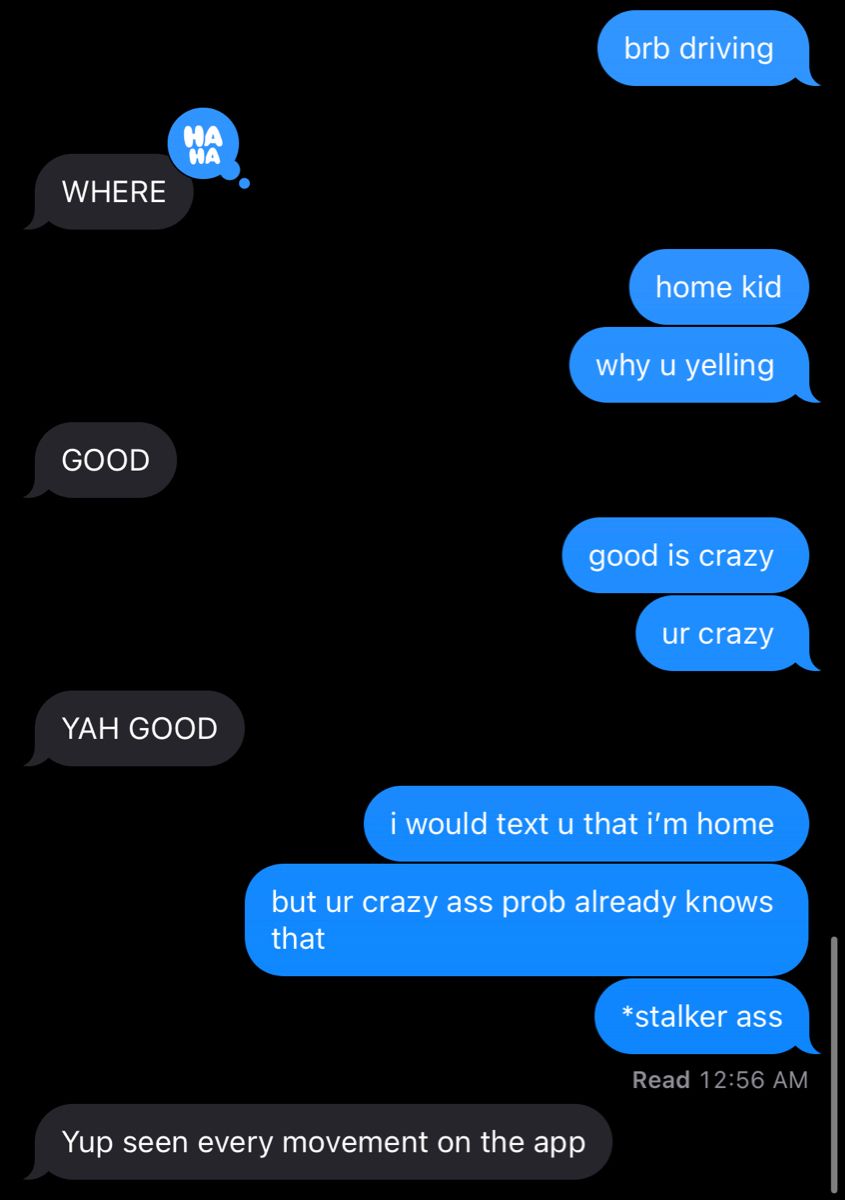
In the labyrinthine world of digital communication, a myriad of abbreviations and symbols permeate our text messages, often leaving recipients scratching their heads in bewilderment. One such cryptic character is the letter “P.” While it may seem benign at first glance, it carries an array of meanings that can shift the perspective of any conversation, offer nuanced layers of emotion, and invite curiosity about the sender’s intent. Let’s delve into the multifaceted interpretations of “P” in text messaging, unraveling its enigma and illuminating its relevance.
At its core, “P” is a versatile initial that could represent a myriad of words, embracing contexts from the playful to the profound. In various subcultures, chat groups, and among friends, the meanings often diverge significantly. The richness of “P” lies not just in its simplicity, but in its adaptability to personal vernaculars.
One of the most immediate associations with “P” is with the word “please.” In fast-paced exchanges, brevity is paramount. When a user types “P” to request something, it punctuates the dialogue with a subtle, yet important tone of politeness. This single-letter abbreviation invites consideration; it indicates the sender’s desire not only for efficiency but also for kindness. For recipients familiar with such shorthand, it fosters a sense of camaraderie and understanding.
In a completely different vein, “P” can signify “partners.” Within romantic and friendship circles, the term is often used to denote a person’s significant other or close companion. When someone refers to “my P,” they affirm their bond, signaling affection and intimacy. This usage bears interest for its implications about relationships, inviting further inquiry into the dynamics shared by those involved. The acronym also hints at the evolving nature of social interactions, especially among younger generations who strive for connection in any confines presented by digital communication.
As we explore deeper into the lexicon of “P,” we encounter its presence in comedic or satirical contexts. In the realm of memes and text-fueled humor, “P” can often serve as shorthand for “pee” or “piss,” rendering it a vehicle for levity or irreverence. This interpretation awakens curiosity about the intended tone of the message—are we delving into facetious banter or engaging in serious conversation? The ambiguity of such interpretations primes the text for a playful exchange or unexpected revelations.
Moreover, “P” can be an emblematic abbreviation in popular culture. In the digital age, enthusiasts of certain fandoms or pop culture references frequently adopt unique shorthand. For instance, “P” might refer to “Pro” within gaming communities, elucidating a player’s status or skill level. Here, the implications extend beyond mere communication; it cultivates an identity amongst peers and fosters a sense of belonging in niche communities. Such dichotomies urge curiosity regarding the sender’s affiliations and interests.
Interestingly, the connotation of “P” extends into the realms of health and wellness discussions. In certain circles, particularly among health-conscious individuals, “P” can symbolize “protein,” often seen in fitness-based dialogues. This abbreviation, once deciphered, shifts the conversation toward discussions around fitness regimes, dietary preferences, and lifestyle choices, instigating a more substantial dialogue about personal health. It highlights the sender’s values and priorities, prompting thoughtful exchanges about what constitutes well-being.
Another layer worth examining is the connection between “P” and emotional signaling. In contexts where sentiments run high, “P” may reflect a longing or desire, hinting at terms such as “passion” or even “pity.” When employed in such emotional contexts, it signals an underlying emotion, compelling the receiver to pause and reflect on the implications of the message. This perspective invites empathy and can shift the tone of the conversation to address deeper emotional currents.
The versatility of “P” also opens up space for regional and cultural variations. In many Spanish-speaking cultures, for example, “P” may take on different meanings altogether, such as representing “para” (for) or “pues” (then). This illustrates the importance of considering the sender’s background and context when interpreting such abbreviations, urging recipients to approach conversations with an open mind and an attempt to understand the multilayered aspects of communication.
As we navigate the complexity of “P,” it becomes apparent that understanding its various interpretations requires an acute awareness of context, relationships, and cultural nuances. This investigation underscores the importance of clarifying communication in a world cluttered with abbreviations. When someone sends a message containing “P,” they invite you not only to decode its meaning but also to engage more profoundly within the ensuing dialogue.
Ultimately, when we encounter “P” in text messages, we discover it as an emblem of modern communication that embodies myriad meanings and prompts diverse responses. From politeness to relatability, and from humor to heartfelt connections, the letter encapsulates the richness of human interaction in the digital realm. Embracing the fluidity of such language only enhances our ability to connect meaningfully and thoughtfully with others in an ever-evolving landscape. Curiosity, context, and clarity become our guiding principles in unraveling the depths of communication, allowing us to appreciate the subtleties that enrich our exchanges, one abbreviated letter at a time.












