
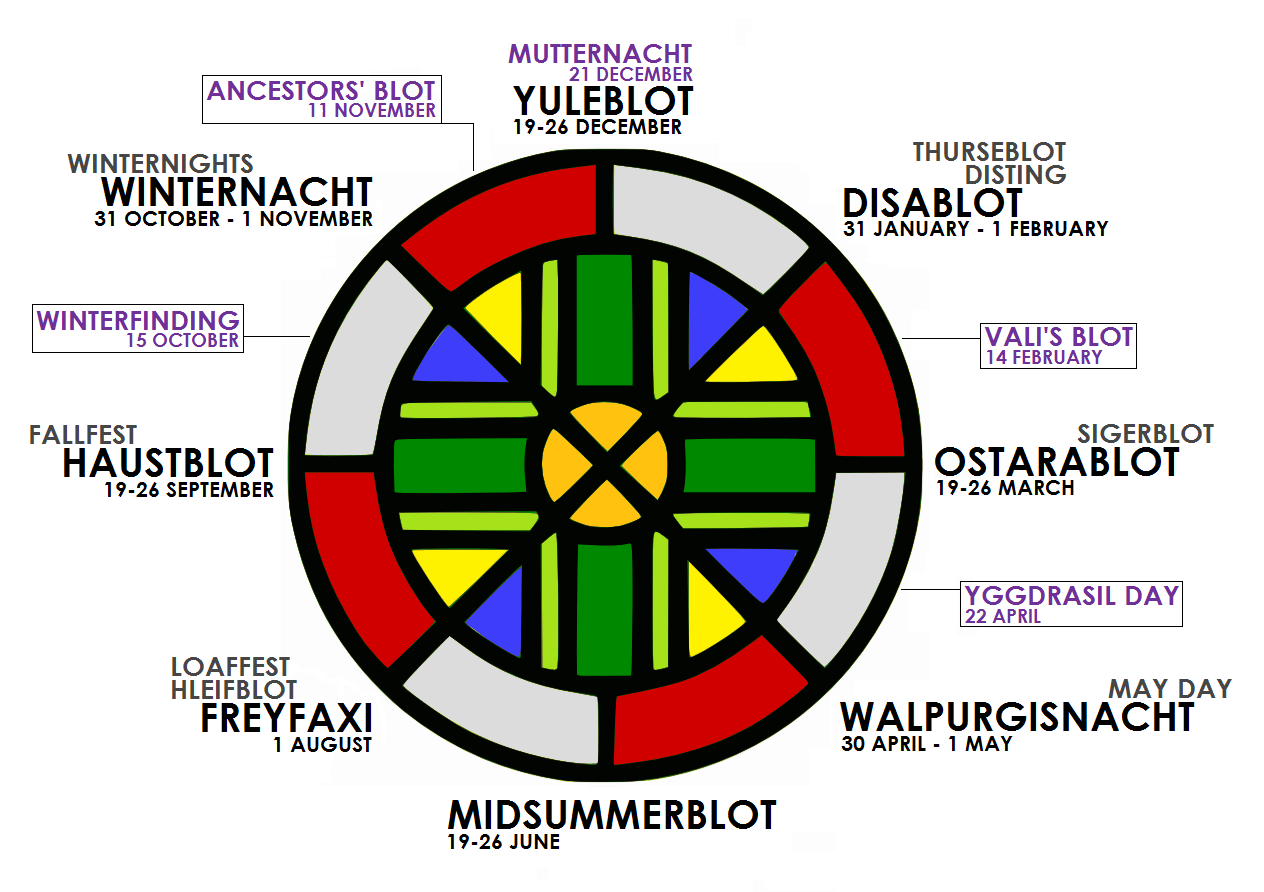
Pagan holidays, often steeped in ancient traditions and rich symbolism, offer a fascinating exploration into the myriad ways humans have connected with the natural world and the cycles of life. These celebrations are not merely dates on a calendar; each one embodies deep-rooted beliefs and practices that resonate through history. By delving into the meaning behind these holidays, one can uncover profound insights into the human experience, the changing seasons, and our collective relationship with the earth.
The origins of many pagan holidays trace back to agrarian communities that relied heavily on seasonal cycles. Harvest festivals, for example, arose from the need to give thanks for the bounties of the earth before the onset of winter. Such celebrations often coincide with the autumn equinox, a time when day and night are balanced, symbolizing harmony and gratitude. In this context, holidays serve as a reminder of humanity’s intrinsic bond with nature. The act of celebrating a harvest is a profound acknowledgment of sustainability, nourishing not only the body but also the spirit.
As we venture into the lore of pagan holidays, we encounter a tapestry woven from various cultural threads. One of the most well-known celebrations is Samhain, observed on the evening of October 31st. This festival marks the end of the harvest season and heralds the onset of winter. Traditionally, it is believed that on this night, the veil between the living and the dead is at its thinnest. People would light bonfires and set places at their tables for departed loved ones, showcasing a reverence for ancestral spirits. Such rituals encourage reflection on mortality, memory, and the cyclical nature of life.
Yule, celebrated around the winter solstice, is another significant pagan holiday. As the longest night of the year, Yule encompasses themes of rebirth and renewal. The return of the sun, symbolized through the lighting of candles and fires, signifies hope and the promise of longer days to come. This transition from darkness to light not only offers comfort during the cold winter months but also invites a meditative practice that encourages individuals to seek out their personal ‘light’ amidst the challenges of life.
Spring awakens the earth and sets the stage for Ostara, a festival that coincides with the vernal equinox. Ostara, named after a Germanic goddess of spring and fertility, celebrates the balance of light and dark once again. As nature burgeons forth in vivid splendor, it is a time for planting seeds—both literally and metaphorically. The concept of rebirth is emphasized during this festival, compelling individuals to consider their aspirations and the new beginnings they wish to cultivate in their lives. Symbolic motifs, such as eggs and hares, represent fertility and the inherent potential each new life holds.
With the arrival of summer comes Litha, or Midsummer, celebrated around the summer solstice. This exuberant festival celebrates abundance, joy, and the height of the sun’s power. Revelers often engage in communal feasting, dancing, and various rituals to honor the earth and encourage fertility. The vibrant energy of Litha serves as a reminder to embrace creativity and vitality, urging individuals to bask in the pleasures of life and acknowledge the beauty that surrounds them.
The tales and rituals associated with pagan holidays are often accompanied by symbolic representations and folklore that enrich their significance. For example, the Yule log, an enduring symbol of warmth and hospitality, embodies the spirit of Yule. Its burning signifies the return of light, and remnants of the log are often kept as tokens of protection and prosperity. Similarly, the maypole—a colorful emblem of fertility and community—serves as a focal point during Beltane, a celebration of love and passion that takes place on May 1st. Dancing around the maypole intertwines vibrant ribbons, symbolizing the union of masculine and feminine energies, reinforcing the importance of togetherness and connection.
These traditions continue to evolve, adapting to contemporary practices while honoring their ancient roots. Today, many individuals observe pagan holidays, regardless of their spiritual affiliations, as a way to align with nature and embrace the changing seasons. Modern interpretations often emphasize inclusivity, encouraging diverse individuals to partake in the beauty of these celebrations. Whether it’s through rituals, crafts, or simply gathering with loved ones, the essence of these holidays remains centered around community and connection.
In summary, the meaning behind pagan holidays unveils a deeper understanding of humanity’s relationship with the earth and each other. These celebrations are a testament to our intrinsic connection with nature’s rhythms and cycles, providing opportunities for reflection, gratitude, and renewal. As we navigate through the complexities of modern life, embracing the wisdom of these traditions can foster a sense of belonging and harmony, bridging the gap between the past and the present. By honoring the significance of pagan holidays, we promise ourselves a deeper journey into the heart of human experience—a journey that invites curiosity and encourages a transformative shift in perspective.












