
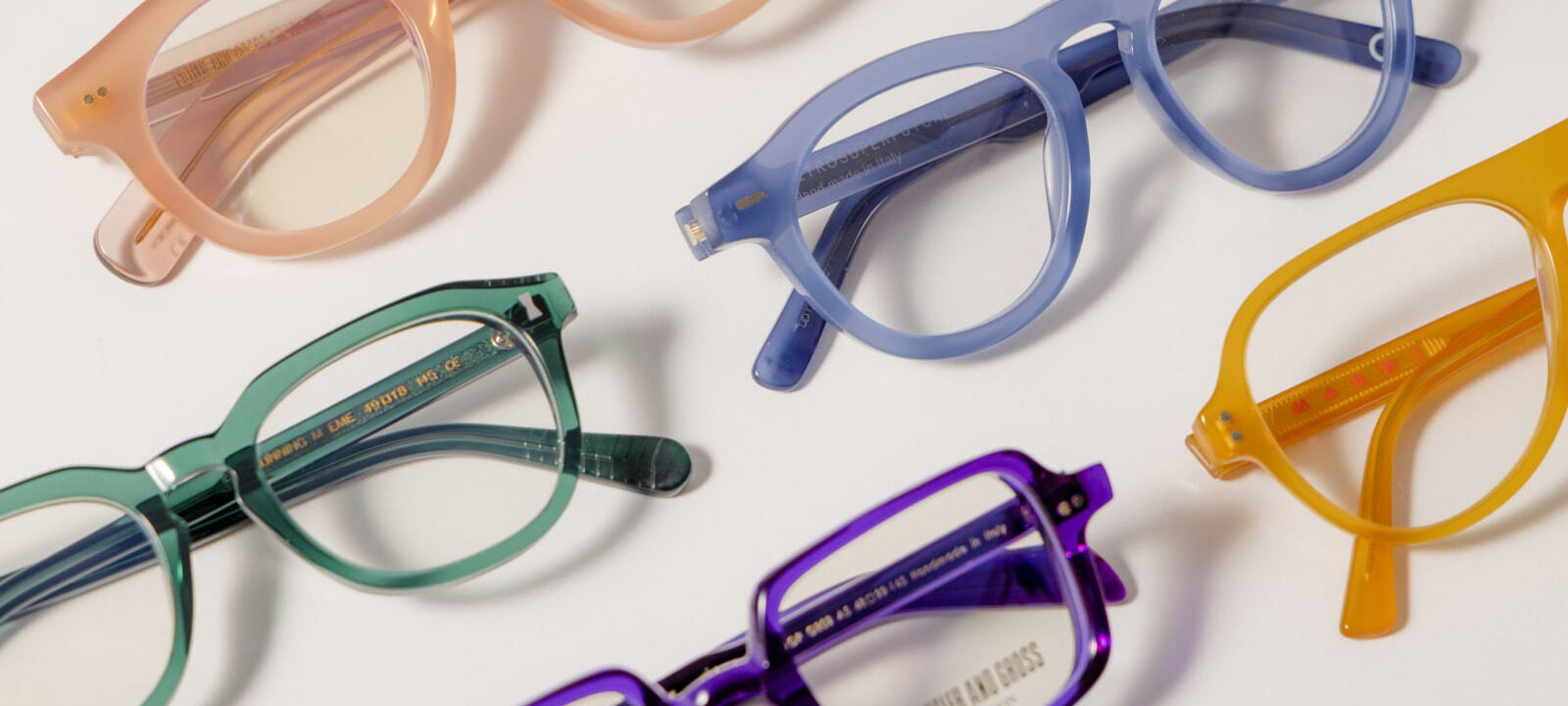
When navigating the often perplexing world of eyeglasses, the term “plano” surfaces, evoking intrigue and prompting questions. The realm of vision prescriptions can appear daunting; however, understanding the terminology is crucial to making informed decisions about your ocular health. In this article, we will delve into the enigmatic meaning of “plano,” unravel the intricacies of vision prescriptions, and illuminate what this can mean for you as a prospective eyeglass wearer.
Understanding Vision Prescriptions
Before we dissect the specific term “plano,” it’s essential to comprehend the overall function of vision prescriptions. These medical documents, typically generated by an eye care professional, are a culmination of various measurements that determine the degree to which corrective lenses are needed for optimal vision. They encapsulate all the necessary information, including sphere, cylinder, axis, and sometimes additional details such as pupillary distance (PD). Each component serves a distinct purpose in customizing lenses for individual requirements.
The Anatomy of a Vision Prescription
Opening up your vision prescription, you may encounter several abbreviations that could leave you bewildered. Let’s breakdown the components:
- Sphere (SPH): This dimension refers to the degree of nearsightedness (myopia) or farsightedness (hyperopia) and is measured in diopters (D). A negative sign denotes myopia, while a positive sign indicates hyperopia.
- Cylinder (CYL): This measures astigmatism and represents the degree of irregular curvature of the cornea. It too is expressed in diopters, with negative numbers indicating myopia and positive ones for hyperopia.
- Axis: This denotes the orientation of astigmatism and is measured in degrees, ranging from 0 to 180. It indicates where the cylindrical correction should be applied.
- Add: In multifocal prescriptions, this represents the additional magnifying power for reading and is used primarily for individuals suffering from presbyopia.
- Pupillary Distance (PD): This measurement determines the distance between your pupils and is crucial for aligning lenses correctly.
Armed with this foundational knowledge, we can now turn our focus to “plano.”
Defining “Plano”
“Plano” is a term that originates from the Latin word meaning “flat” or “level.” In terms of eyeglasses, plano specifically signifies a lens that possesses no corrective power. In the context of a vision prescription, a plano lens will have a sphere power of 0.00, suggesting that the wearer has no refractive error requiring correction, or that they might simply be looking for a fashionable accessory rather than corrective optical wear.
The implications of choosing plano lenses can be profound. For individuals who may not require visual correction, wearing plano lenses allows them to enjoy the aesthetic benefits of eyewear without compromising comfort or visual clarity. This opens the door to a myriad of frame styles and lens treatments such as photochromic options, blue light blocking features, or anti-reflective coatings—all while maintaining the bliss of optical neutrality.
Why Choose Plano Lenses?
For many, the decision to incorporate plano lenses into their eyewear collection stems from a desire for a fashionable look. However, the benefits extend beyond mere aesthetics:
- Blue Light Filtering: In our increasingly digital world, plano lenses can provide invaluable protection by mitigating exposure to harmful blue light emitted from screens.
- Fashion Statement: Eyewear has transcended from a utilitarian necessity to a significant component of personal style. Plano lenses afford wearers the opportunity to express their creativity without necessitating corrective measures.
- UV Protection: Many plano lenses are equipped with built-in UV protection, shielding the eyes from harmful ultraviolet rays that can lead to skin cancers and cataracts. This aspect underscores the health-conscious decision to wear eyewear, even when no vision correction is needed.
Safety and Comfort
Another factor to consider is the comfort and safety provided by plano lenses. Whether engaging in outdoor activities or participating in sports, protective eyewear equipped with plano lenses can prevent debris and UV exposure, safeguarding the eyes even when vision correction is not necessary.
Consultation with Professionals
Even for those who believe they have perfect vision, a routine eye examination with a qualified optometrist or ophthalmologist can reveal underlying issues that may not be readily apparent. Your vision prescription might include plano lenses, but it’s important to have a professional assess your ocular health and recommend the most suitable solutions tailored to your particular needs. This proactive approach ensures that your vision remains sharp and your eyes stay healthy.
Conclusion: Redefining Eyewear Choices
The term “plano” opens up a fascinating dialogue about the nuances of eyewear. It transforms the perception of glasses from purely corrective instruments to versatile fashion accessories that serve myriad functions. By embracing plano lenses, individuals can safeguard their ocular health while simultaneously expressing their unique style. The world of eyeglasses has evolved beyond vision correction; it now offers an expansive range of options, encouraging us to look beyond convention and consider the broader implications of our eyewear choices.
So the next time you come across a pair of fabulously stylish glasses labeled as plano, consider the promise they hold. Can the right eyewear shift your perspective? Indeed, in the world of vision, the answer may be a resounding yes.












