
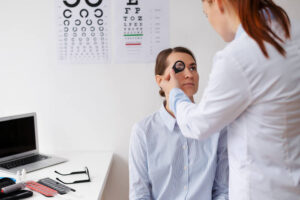
In the intricate tapestry of optical health, the term “plano” serves as a vital thread, weaving together clarity and understanding for those navigating the labyrinth of vision care. In an eye prescription, plano represents a state of perfect balance—a line drawn in the sand where correction is not needed. It’s akin to a tranquil lake that reflects the world around it without distortion, offering a glimpse into the beauty of simplicity. To comprehend what “plano” means in the context of an eye prescription, one must delve deeper into the realms of vision acuity, lens types, and the overarching narratives of eye health.
Understanding the Basics of Eye Prescription Terminology
To demystify the concept of plano, one must first familiarize themselves with the lingo of eye prescriptions. Typically, an eye prescription is replete with a series of codes and numbers that signify the specific needs of an individual’s eyesight. The prescription usually includes values for sphere (Sph), cylinder (Cyl), and axis, denoting the corrective power and orientation required for vision clarity. Amidst this lexicon, “plano” signifies a zero sphere value; it indicates that the individual has no refractive error requiring correction, much like a blank canvas awaiting the stroke of a brush to bring it to life.
The Significance of Plano in Vision
A plano reading in an eye prescription highlights the absence of nearsightedness (myopia), farsightedness (hyperopia), or astigmatism. It exemplifies a unique state where the eye is already functioning optimally regarding refractive power. However, it does not mean that the individual is impervious to all visual imperfections; factors like presbyopia — the gradual loss of the eye’s ability to focus on near objects — may still play a role as age advances. In this way, a plano prescription acts as both a blessing and a cautionary tale: a testimony to good eyesight that might require attentive maintenance as the years unfold.
Who Might Have a Plano Prescription?
Individuals with a plano prescription often embody the rare gem of optical health—a veritable oasis in a desert of vision woes. Children, teenagers, and some adults might find themselves in this category, particularly those in possession of genetics favoring visual acuity. Athletes and individuals who engage in high-demand visual activities may also experience the benefits of plano eyesight, as they navigate their environments without the encumbrance of visual aids. Yet, plano isn’t exclusive; even those who regularly wear glasses may find they possess a plano measurement for their uncorrected vision.
Benefits of Having a Plano Prescription
Owning a plano prescription can be likened to traversing a well-manicured garden, where every bloom has its place, and each path is clear. The primary advantage is the freedom from corrective lenses, allowing individuals to enjoy their daily lives without the need for glasses or contact lenses. This can enhance activities such as sports, swimming, and outdoor adventures, contributing to a more liberated experience. Furthermore, plano individuals often enjoy reduced eye strain and fatigue since their eyes do not battle uncorrected refractive errors. It’s as if they wield a key to the door of visual ease—a privilege that simplifies their interaction with the world.
When Should One Consider Vision Correction?
Despite the allure of plano perfection, one must remain ever vigilant; the winds of change can be capricious. Over time, myriad factors can precipitate changes in vision, from lifestyle choices to environmental influences and even natural aging processes. A plano prescription does not grant immunity against the possibility of future visual impairments; rather, it provides a moment of respite. Regular check-ups become essential as preventive measures, akin to a gardener tending to their plants to ward off invasive species.
Lessons in Embracing Plano Vision
Embracing a plano vision can serve as an excellent metaphor for life’s approach to clarity and focus. Just as a plano prescription denotes a straightforward pathway without hindrances, life’s journey benefits from a clear perspective—an absence of unnecessary burdens that cloud judgment and slow progress. Cultivating healthy habits, maintaining a balanced diet rich in eye-friendly nutrients, and protecting one’s eyes from excessive screen time can nurture this visual balance. Much like preserving a pristine landscape, proactive measures can help sustain optimal vision.
Moving Forward: The Journey Beyond Plano
As one navigates the complexities of life beyond a plano prescription, the knowledge that the eye can change becomes a powerful ally. Whether you are an artist capturing the world in vivid colors or a scientist dissecting data with precision, possessing clear vision can enhance the lens through which you interpret your surroundings. For those who enjoy the tactile experience of frames and lenses, transitioning to glasses after years of plano vision can also mark an exciting shift. The key is flexibility and adaptation to life’s evolving demands, ensuring that, even if one must don corrective lenses, they do so with grace.
In summary, the term “plano” within an eye prescription may signify a haven of uncorrected vision—an oasis amidst the storms of refractive errors. Understanding its implications fosters appreciation for one’s current visual health while igniting awareness of the potential for future changes. Ultimately, be it through the beauty of clarity or the journey toward correction, navigating the world of visual health is an adventure worth embarking upon.












