
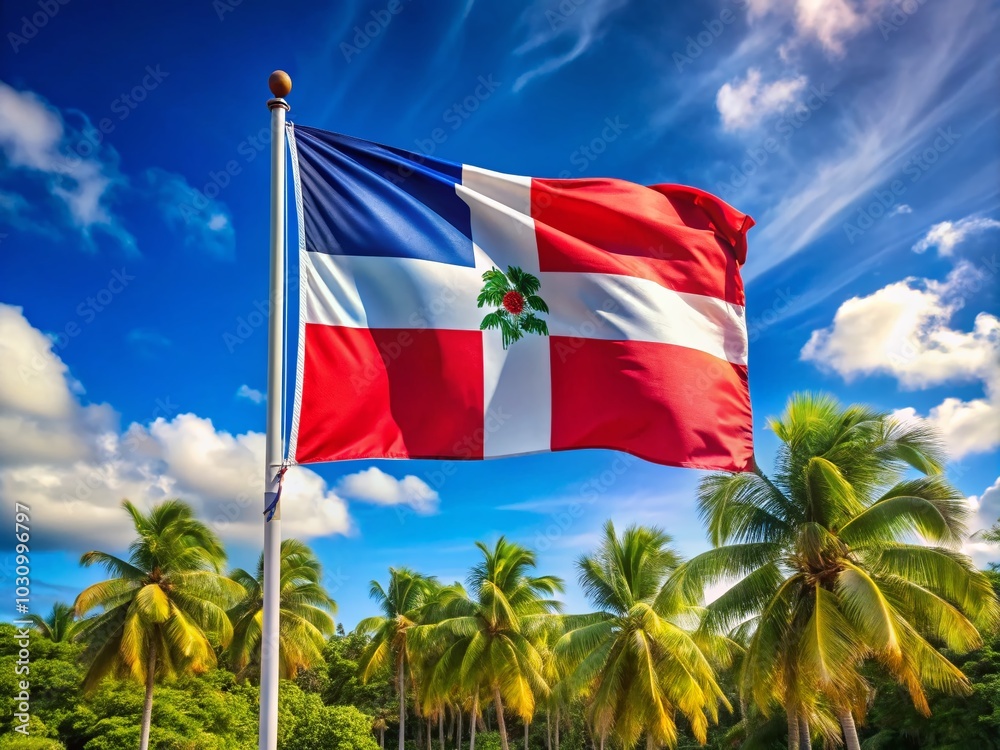
In the heart of the Caribbean lies the Dominican Republic, a vibrant tapestry woven from the threads of history, culture, and identity. The preservation of Dominican values plays a pivotal role in ensuring that this colorful fabric remains intact, reflecting the distinctiveness of a nation that cherishes its heritage. To delve into what it means to preserve these values is akin to exploring the depths of a well-guarded treasure chest—each artifact revealing stories of resilience, camaraderie, and an enduring sense of belonging.
Dominican values serve as both the foundation and the framework for cultural identity, offering a glimpse into the collective consciousness of its people. The very essence of Dominican identity is steeped in the amalgamation of Taino, African, and European influences. This cultural confluence is akin to a vibrant mosaic, each piece contributing to a shared identity that elevates the whole. Understanding the significance of preservation means recognizing the need to honor every facet of this intricate cultural blend.
The Essence of Cultural Heritage
At its core, the preservation of Dominican values signifies an unwavering commitment to cultural heritage. The Dominican ethos is rich with traditions, customs, and practices that have transcended generations. Festivals such as Carnival, which explodes into life with a kaleidoscope of costumes and rhythmical beats, embody the spirit of communal identity. These celebrations not only fuse music, dance, and folklore but also act as a bastion against cultural erosion.
The music of the Dominican Republic, particularly genres like merengue and bachata, serves as a melodic bridge connecting the past with the present. These musical expressions reflect the country’s diverse timeline, resonating with the struggles and triumphs of its people. Preserving such musical forms is vital; they are not merely art forms but living archives that encapsulate emotions, stories, and the very heartbeat of Dominican life.
Language: A Vessel of Identity
Language, too, is a potent symbol of Dominican identity. The Spanish spoken in the Dominican Republic is imbued with a unique vernacular, laced with expressions that reflect the cultural nuances of its people. This linguistic particularity not only serves as a conduit for communication but also becomes a vehicle for historical memory. To preserve language is to sustain a connection to ancestry and to fortify a sense of belonging. As dialects evolve, the challenge lies in maintaining the essence of the original, ensuring that the cultural tapestry continues to be enriched rather than diluted.
The Role of Familial Bonds
Familial bonds in Dominican culture reflect an unbreakable web of interconnectedness. The importance placed on family transcends mere lineage; it speaks to the values of solidarity, support, and unwavering loyalty. The reverence for familial ties manifests in every facet of life, from communal gatherings to the nurturing of future generations. The preservation of these values cultivates a sense of identity, fostering an understanding of one’s roots and the importance of collective heritage.
Events such as family reunions and traditional Sunday dinners serve as homage to these bonds. They highlight the significance of shared experiences and the collective narratives that form the backbone of Dominican society. It is through these gatherings that stories are passed down, values are reinforced, and cultural identity is perpetuated—a living example of how preservation can be woven into the very fabric of daily life.
Culinary Traditions as Cultural Touchstones
A cuisine steeped in flavor and history is another vital aspect of Dominican identity. The culinary landscape, a fusion of indigenous, African, and Spanish ingredients, is a testament to the country’s rich history. Signature dishes such as sancocho and la bandera are not merely meals; they represent a convergence of tradition and memory. Food becomes a narrative, celebrating heritage and evoking nostalgia for generations gone by.
Preserving culinary traditions entails more than just recipes; it requires an understanding of the rituals surrounding food preparation and consumption. Cooking is an act of love, a means of imparting knowledge from one generation to the next. By preserving these culinary practices, Dominicans reinforce their cultural identity while simultaneously nourishing the soul, thus ensuring that the essence of their heritage remains vibrant and relevant.
Challenges to Preservation
Despite the richness of Dominican culture, various forces threaten the preservation of these values. Globalization, with its ubiquitous reach, often homogenizes culture, risking the extinction of cherished traditions. The penetration of foreign influences could dilute the distinctive elements that comprise Dominican identity. It is imperative for Dominicans to navigate this landscape carefully, fostering a balance between embracing innovation and safeguarding their cultural richness.
Community Involvement: Guardians of Tradition
In the face of such challenges, community involvement emerges as a formidable ally in the preservation of Dominican values. Grassroots organizations and cultural institutions play a critical role in advocating for the importance of heritage, organizing events that celebrate traditional music, dance, and art. These gatherings not only instill a sense of pride but offer platforms for education, ensuring that the younger generations are equipped with the knowledge to carry forward the torch of their heritage.
Moreover, the digital age has presented new avenues for cultural preservation. Social media platforms allow for the dissemination of cultural narratives and artistic expressions, fostering global awareness and appreciation for Dominican culture. Through modern means, tradition finds a new life, intertwining the old with the new in an ever-evolving narrative.
Conclusion
The preservation of Dominican values is not merely an act of safeguarding the past; it is an investment in the future. It fuels a sense of belonging, cultivates pride, and celebrates the vibrant tapestry of cultural identity that defines the Dominican Republic. As custodians of their heritage, Dominicans navigate a complex landscape, striving to maintain the delicate balance between tradition and modernity. Through music, language, familial bonds, culinary traditions, and communal involvement, they weave a narrative that speaks to their resilience and passion. In this ongoing journey, the preservation of cultural identity transforms from a solitary endeavor into a communal celebration, reverberating through the hearts of all who call the Dominican Republic home.












