
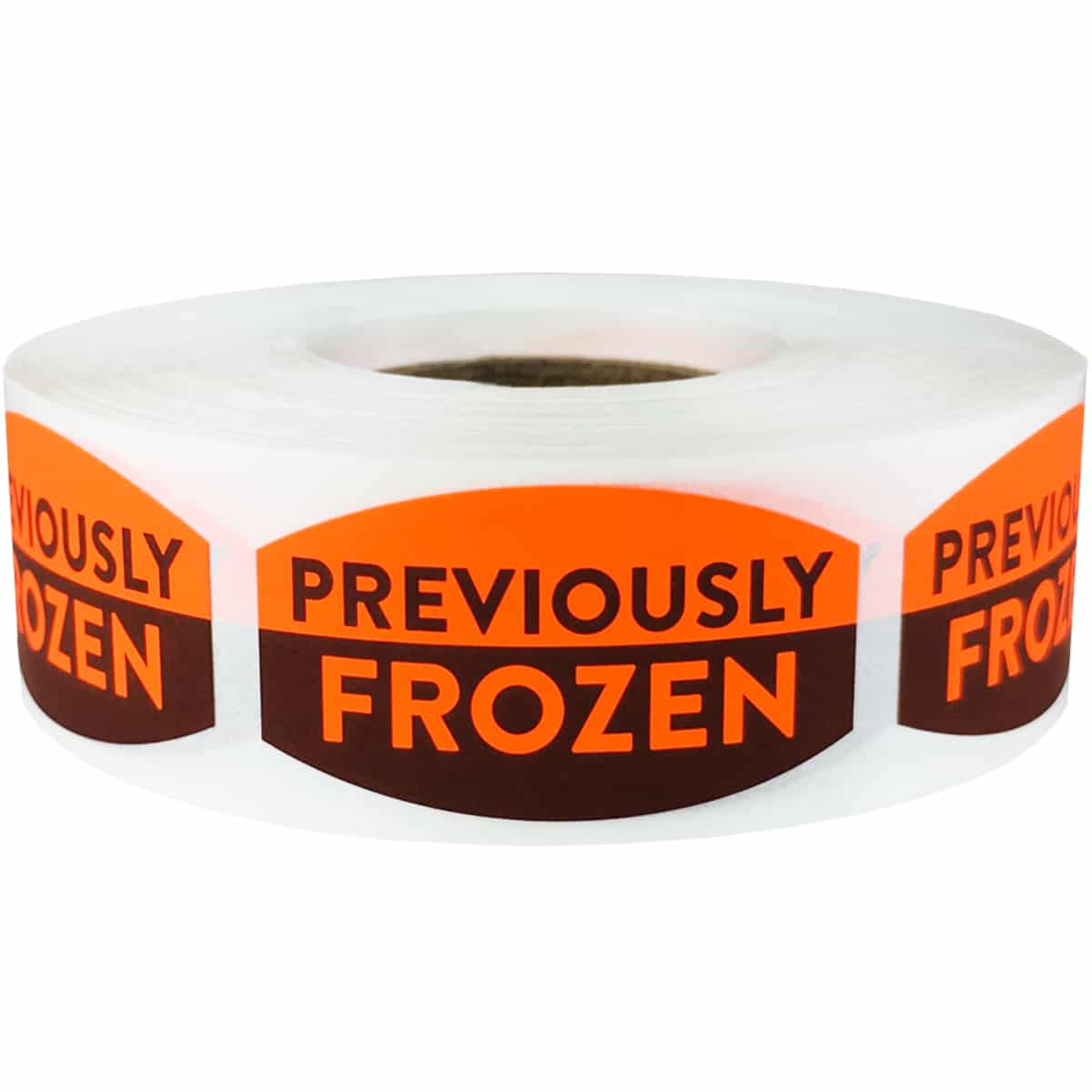
When navigating the tantalizing world of meat buying, the phrase “Previously Frozen” on labels can often leave consumers pondering its true significance. It evokes a sense of intrigue, much like the lines of an ancient map hinting at treasures hidden beneath. For those with a penchant for ribs, this term holds particular importance, as it directly influences not just the quality but also the culinary allure of what may end up on your dinner plate. In this exploration, we delve into the multilayered meaning behind the “Previously Frozen” label, particularly in the context of purchasing ribs.
The Journey of Meat: A Freezing Fable
Imagine, if you will, the journey of succulent ribs from farm to table—a journey marked by seasonal rhythms and skilled craftsmanship. Freezing, an age-old method of preservation, plays an integral part in this odyssey. When meat is labeled as “Previously Frozen,” it indicates that the product has undergone a prior freezing process, typically done as a means to prolong shelf life and maintain freshness. This preservation method captures the essence of the meat at a moment when it is most vibrant, pausing time, much like an artist freezes a breathtaking scene on canvas.
The Science of Freezing
Freezing meat involves summoning an intricate ballet of temperature control. When the temperature dips below 0°F, it halts bacterial growth, ensuring that flavor and texture remain intact. The primary tactic here is the formation of ice crystals; properly managed freezing results in smaller crystals that do not puncture cell walls, thus retaining moisture and tenderness. Conversely, improper freezing can lead to large, unsightly crystals that compromise the meat’s integrity. So, when you purchase previously frozen ribs, you are engaging in a relationship with meat that has met both trauma and triumph, a symbiotic struggle between preservation and culinary ambition.
Understanding the Implications
What, then, does it mean for the aspiring chef or gastronomic enthusiast? First, it’s essential to understand that previously frozen meat does not inherently denote a lesser quality. Instead, it speaks volumes about handling practices and potential freshness when sourced correctly. Many meats are frozen shortly after butchering, locking in flavors and essential nutrients. It is, in fact, when they thaw that their unique appeal often emerges, as if they are awakening from a deep slumber, ready to share their savory secrets.
Flavor Profile: The Echo of the Past
The “previously frozen” designation also implies the retrospective flavor journey that each rib has undertaken. The freezing process preserves the deep, rich flavors that have been meticulously developed. Once thawed, these robust flavors are often more concentrated rather than diminished. This is especially true for marbled cuts of meat, where the interplay between fat and muscle creates an exquisite texture that begs for a grill. In this context, “previously frozen” is a badge of honor, signaling that the meat has survived and is ready to perform under the spotlight of your culinary endeavors.
Identifying Quality: Look Beyond the Label
However, one must approach these labels with a discerning eye. Not all “previously frozen” meats are created equal. It becomes imperative to evaluate not only the label but also the packaging, sourcing, and treatment prior to freezing. Opt for suppliers who practice humane treatment of animals and adhere to stringent quality standards. Don’t just settle for a rhythm in production; seek out the crescendo of quality where every rib tells its own story through texture, aroma, and flavor.
Thawing Techniques: Unearthing the Potential
Once you’ve secured your previously frozen ribs, the way in which you thaw them can greatly impact the final culinary outcome. The best method is to place them in the refrigerator overnight, allowing them to slowly emerge from their frozen cocoon. This gentle thawing method retains moisture and texture. If time is of the essence, a water bath is another option; submerging the meat in a sealed plastic bag in cold water ensures a more rapid thaw while still safeguarding its integrity. It is a dance of patience and power; each step enhances the experience.
A Culinary Canvas: Cooking Possibilities
Now, let’s consider the culinary palette that “previously frozen ribs” offer. When cooked properly, these ribs can morph into tender delicacies, imbued with charred beauty and tantalizing flavors. Whether embarking on a smokey barbecue journey or slow-cooking them in a savory broth, the versatility of previously frozen ribs is veritable. Each preparation method allows the layers of flavor and texture to shine, transforming these humble cuts into divinely indulgent meals.
The Sustainable Aspect
Additionally, opting for previously frozen ribs can also make an eco-conscious statement. This preservation technique encourages the use of surplus meats, reducing waste in a world where every morsel counts. By choosing it, you participate in a larger narrative, promoting sustainability and responsible consumption.
Conclusion: Savoring the Unseen
In conclusion, “previously frozen” carries nuances far beyond mere semantics. It reflects the interwoven threads of quality, preservation, flavor depth, and sustainability. The next time you approach the meat counter, consider this: each package of previously frozen ribs is not just food but an opportunity—a chance to encounter the stories of the past while forging new culinary paths. Armed with this knowledge, you can confidently embrace the possibilities that lie within those labels, transforming every meal into an extraordinary celebration of flavor and craftsmanship.












