
Have you ever pondered what a name signifies? A name can encapsulate a remarkable history, a vivid tapestry of culture, and a profound connection to the land. This is especially true for places like Puerto Vallarta, a gem on the Pacific coast of Mexico. But what does “Puerto Vallarta” actually mean? What stories lie hidden within its syllables? This exploration endeavors to dissect the etymology, cultural significance, and historical implications of this strikingly beautiful name.
At a glance, “Puerto Vallarta” may appear to be a straightforward name. Divided into two components, it translates directly to “Vallarta Port” in English. The term “Puerto” undoubtedly refers to a port—a location of maritime interaction and trade. This aligns perfectly with Puerto Vallarta’s identity as a bustling coastal destination, brimming with tourists and cargo ambulating through its picturesque harbor.
When we delve deeper into the second half of the name, “Vallarta” carries an equally fascinating narrative. The etymology of “Vallarta” traces back to “Vallarta de la Cruz,” a 19th-century tribute to a local figure, Ignacio Vallarta, who was not only a Mexican politician but also a notable benefactor of the region. This name underscores a tribute to human connection, illustrating how personal histories can imbue a landscape with significance.
Yet, a question arises: why was a port necessary, and how did it come to earn such an influential name? The inception of Puerto Vallarta as a port can be attributed to its strategic location. Nestled in the Bay of Banderas, its natural harbor provided a safe haven for local fishing vessels and trading ships. From ancient times, the region was populated by indigenous tribes, such as the Cuyuteco, who utilized these waters for sustenance and trade, laying the groundwork for what would eventually evolve into a global tourism hotspot.
The establishment of Puerto Vallarta as a formal port occurred around the mid-19th century when Mexico was experiencing significant transformations. It served as a crucial embarkation point not only for goods but also for the burgeoning tourism industry spurred by its resplendent beaches and idyllic climate. Over time, the town’s quaint charm juxtaposed with its bustling economic activities attracted attention beyond its shores.
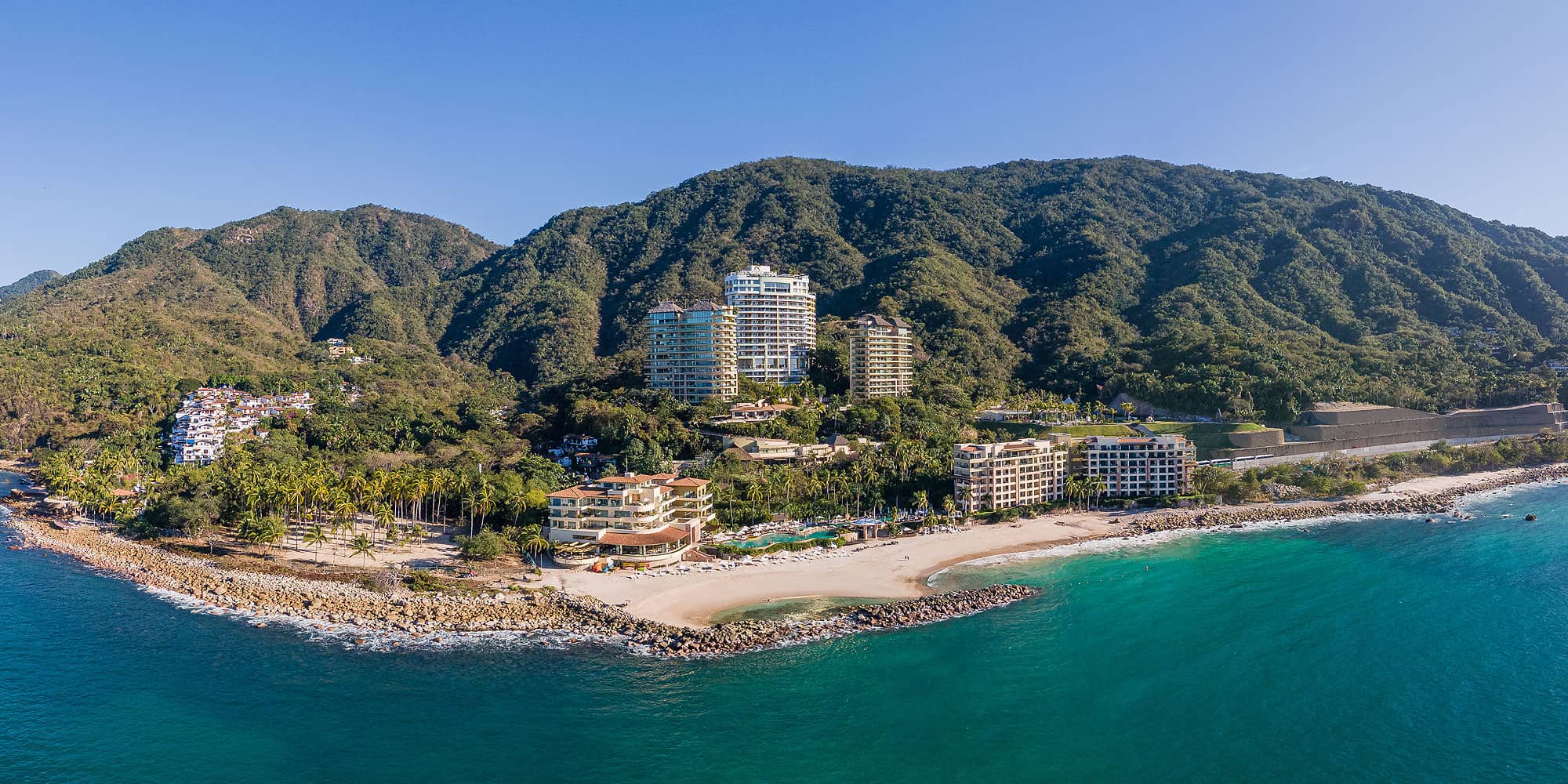
To truly grasp the essence of Puerto Vallarta, one must consider its geographical context. The name itself paints a picture of its immediate surroundings—the lush mountains, pristine beaches, and the serenity of the Pacific Ocean. The phrase “Puerto Vallarta” resonates with notions of both refuge and beauty. This natural allure has been a magnet for artists, writers, and global travelers who have added to the town’s vibrant identity over the years.
Besides, the cultural tapestry of Puerto Vallarta is rich with history, folklore, and local traditions. The town’s evolution from a modest fishing village to an internationally renowned tourist destination evokes intrigue about the interplay between nomenclature and culture. Names like “Puerto Vallarta” can ignite curiosity and inquiry about the heritage that continues to shape its residents’ lives.
In addition, one cannot overlook the influence of its Spanish colonial past, which has left an indelible mark on the local culture. As explorers and colonizers solidified their presence in this region, they left behind not only architectural legacies but also linguistic foundations. The melding of diverse cultural elements reveals how place names serve as vessels of stories from times long past. Puerto Vallarta stands as a testament to this melding, where each corner exudes hints of its multifaceted heritage.
The playful inquiry into a name’s meaning, especially one as evocative as Puerto Vallarta, challenges us to embrace curiosity. What other secrets do our surroundings bear? How does understanding the origins of names, such as Puerto Vallarta, allow us to connect more deeply with the histories embedded in places we visit or inhabit?
Through the lens of language, the allure of place names becomes an exciting puzzle—each syllable a piece waiting to be discovered. As Puerto Vallarta thrives in the contemporary world, it asks visitors to delve beyond its surface beauty and embrace the depth of its essence.
Moreover, consider the significance of names from a broader perspective. Names have the power to evoke memories, inspire wanderlust, and root individuals in a sense of belonging. What stories are whispered through the streets of Puerto Vallarta? What moments linger in the hearts of those who call this vibrant port home? In exploring such questions, we are reminded that each place is alive with stories waiting to be told.
Ultimately, Puerto Vallarta is more than just a picturesque destination; it is a narrative woven from the threads of its past, enriched by its inhabitants, and alive with potential futures. The meaning of Puerto Vallarta goes beyond its literal translation, beckoning all who venture there to engage with its storied legacy and embrace the wondrous challenge of uncovering the rich tapestry of history contained within its name.












