
In the intricate tapestry of human physiology, the phrase “pulse control oxygen supply” resonates as a crucial motif, weaving together the delicate dance of life-sustaining gases with the rhythmic cadence of our heartbeat. This concept not only illuminates the significance of oxygen but also emphasizes the body’s remarkable ability to regulate and optimize its delivery. By delving into the nuances of this phrase, we unearth a wealth of insights that draw parallels between machinery, artistry, and the very essence of life.
Understanding Pulse Oximetry and Its Role
At the core of pulse control oxygen supply lies pulse oximetry, a non-invasive technological marvel. Imagine a skilled conductor wielding a baton, orchestrating a symphony of oxygen-rich blood as it flows through an intricate network of vessels, akin to a masterfully composed piece of music. Pulse oximeters serve as the maestro in this performance, measuring the saturation of oxygen in the blood and providing a real-time glimpse into our respiratory health.
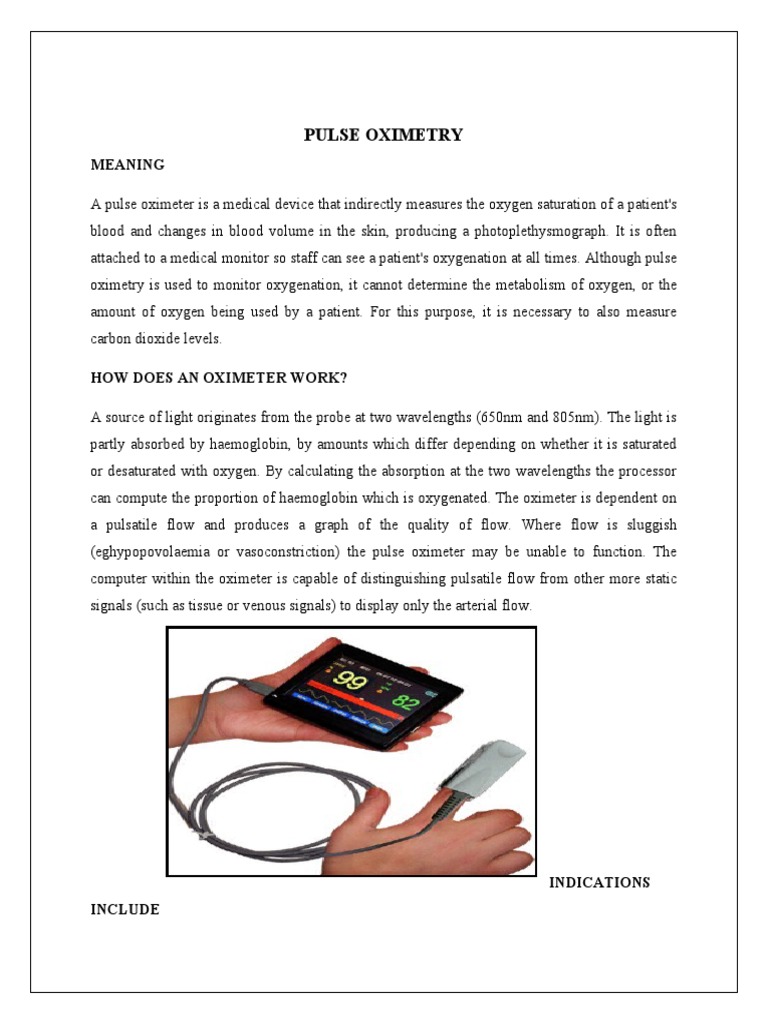
Pulse oximeters work by emitting wavelengths of light through the skin, typically from the fingertip or earlobe, and analyzing the light absorption of oxygenated versus deoxygenated hemoglobin. This simple yet profound instrument transforms raw data into a digital readout, reflecting the vibrant hues of our corporeal symphony — a saturation level expressed as a percentage.
The Significance of Oxygen Supply
Oxygen, the invisible elixir of life, acts as a catalyst for the myriad biochemical reactions necessary for cellular respiration. Each cell in our body, much like a tiny factory, requires this critical gas to produce adenosine triphosphate (ATP), the molecule that fuels every facet of our being. When we consider the phrase “pulse control oxygen supply,” we recognize that the body employs intricate mechanisms to not only transport oxygen but also to ensure its availability at peak efficiency.
In a healthy individual, oxygen levels remain stable thanks to the finely tuned interplay between the respiratory and cardiovascular systems. Should the performance falter—due to conditions such as asthma, chronic obstructive pulmonary disease (COPD), or even sleep apnea—pulse oximetry becomes a sentinel, illuminating potential distress signals and prompting timely interventions.
Decoding Medical Terminology: Pulse and Oxygen Supply
To fathom the complexities of pulse control oxygen supply, we must dissect its key components. The term pulse, derived from Latin “pulsus,” refers to the rhythmic throbbing of arteries as blood surges through them, akin to the ebb and flow of ocean tides. This pulse reflects heart rate and rhythm, encapsulating the body’s current state of cardiovascular health. In this symphony, the pulse is not merely a metronome; it is the heartbeat of our existence, signaling energy, vitality, and, sometimes, distress.
Oxygen supply, on the other hand, encapsulates the abundance of oxygen transported within the bloodstream, en route to tissues and organs. This delicate operation is facilitated by hemoglobin—a protein in red blood cells that binds oxygen with the finesse of an artist’s brush gliding over canvas. The effectiveness of oxygen supply hinges not only on the amount of oxygen inhaled but also on how efficiently it is absorbed, transported, and ultimately utilized by cells.
The Dance of Demand and Supply
A fascinating aspect of pulse control oxygen supply is the body’s ability to adapt dynamically to changing physiological demands. Consider a ballet performance where the dancers adjust their movements based on the music’s tempo; similarly, our bodies modify oxygen delivery in response to various stimuli—be it physical exertion, emotional stress, or environmental factors.
During exercise, for instance, the body requires an influx of oxygen to meet the heightened demands of active tissues. Messages dart from the brain to the heart, urging it to increase its output, while pulmonary ventilation escalates, drawing in more air. This harmonious response underscores the importance of oxygen in sustaining our active lifestyles, much like the energy that propels a dancer across the stage in a breathtaking performance.
The Role of Technology in Monitoring Oxygen Supply
In the realm of healthcare, the phrase pulse control oxygen supply gains immeasurable value when entwined with technology. Continuous monitoring devices have emerged as vital comrades in managing chronic respiratory conditions. These gadgets, not unlike vigilant sentinels, feed data to caregivers about patients’ oxygen saturation levels, ensuring interventions are timely and effective—akin to a watchful audience that can sense when a performer falters.
Moreover, advancements in telemedicine have enabled remote monitoring of oxygen levels, allowing patients to manage their health from the comfort of their own homes. This paradigm shift empowers individuals to maintain their well-being with the same grace as a dancer mastering a challenging routine, demonstrating that the journey toward optimal health is both personal and collaborative.
In Closing: The Intricate Interplay
As we ponder the phrase “pulse control oxygen supply,” we are reminded of the multifaceted nature of human physiology. Our bodies, much like an elaborate clock, tick in unison, with each component playing its part in the greater mechanism of life. The equilibrium between pulse and oxygen supply serves as a poignant reminder of our inherent vitality and resilience. Through understanding and monitoring this intricate dance, we can better appreciate the wondrous symphony that is our life and strive to keep it in harmony.












