
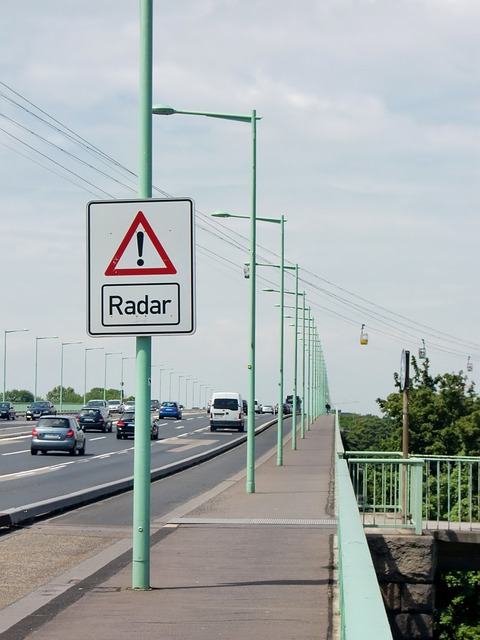
When you see a sign indicating that your speed is being monitored by radar, it triggers a variety of reactions. Some drivers may feel a surge of caution, while others might dismiss it as just another piece of road furniture. However, understanding what “radar enforced” truly means can significantly influence your driving habits and awareness behind the wheel. In this article, we delve into the fascinating world of radar enforcement, exploring its implications, the technology behind it, and the broader context of speed traps.
What is Radar Enforcement?
Radar enforcement refers to the use of radar technology by law enforcement agencies to monitor vehicle speeds on roadways. This method employs radio waves to detect the speed of moving vehicles. When a vehicle speeds past the radar, the system calculates its speed and typically registers it for potential enforcement action. The legality of this method varies from state to state, but it is widely recognized as an effective means to promote compliance with speed limits.
The Mechanisms of Radar Technology
To comprehend radar enforcement, it is essential to grasp the underlying principles of how radar works. Most speed radar units operate using the Doppler effect, a phenomenon that describes the change in frequency of a wave in relation to an observer. As a vehicle approaches a radar unit, the frequency of the radar waves is compressed, indicating an increase in speed, while the frequency ‘stretches’ as the vehicle moves away. This precise technological insight allows law enforcement to accurately gauge vehicle speeds.
Different Types of Radar Systems
Radar systems can be categorized into various types based on their application and level of sophistication. Here are some notable examples:
- Stationary Radar: These radar units are typically mounted on poles or structures along roadways. They continuously monitor traffic and can be either standalone units or integrated into traffic lights.
- Mobile Radar: Officers can utilize portable radar units that can be placed on a tripod or handheld. This mobility allows for flexibility in monitoring speeds in various locations.
- Photo Radar: This advanced system not only measures speed but also takes photographs of offending vehicles, recording their license plates for subsequent citation.
- Laser Speed Detection: Although technically not radar, laser speed detectors use light waves and are often mistaken for radar units. They offer significant accuracy over short distances.
The Role of Speed Trap Signs
Speed trap signs serve as a warning to drivers that their speed may be monitored by radar enforcement. These signs play a dual role: they inform motorists of the potential presence of law enforcement and act as a psychological deterrent against exceeding the speed limit. Research suggests that drivers are more likely to abide by speed regulations when they are made aware of monitoring activities, aligning with the notion of deterrence in criminal justice.
Interpreting Speed Trap Signs
Speed trap signs often feature distinctive colors and markings to catch the attention of drivers. Typically, these signs may include the words “Radar Enforced” or “Speed Limit Enforced” alongside speed limit figures. Various jurisdictions might adopt different designs; however, the objective remains consistent: to alert motorists. Understanding these signs is crucial for every road user, as ignorance of speed limits may result in fines or accidents.
The Psychology of Radar Enforcement
The impact of radar enforcement extends beyond just the technological realm. Psychological factors significantly influence driver behavior. The mere presence of a radar sign can evoke a sense of compliance among drivers. Conversely, lack of information regarding speed checks can lead to reckless behavior, especially if drivers believe they are beyond the watchful gaze of authorities. By comprehensively understanding the signs and their meanings, motorists can make conscious choices that prioritize safety.
Common Misconceptions Surrounding Radar Enforcement
Despite its ubiquity, many misconceptions about radar enforcement persist. One common belief is that radar speed traps are merely revenue generators for municipalities. While funding may be a byproduct, the primary purpose remains clear: to enhance road safety and encourage adherence to speed limits. Another misconception is that radar devices are infallible. Like any technology, human error can play a role, and factors such as poor calibration or adverse weather conditions can affect accuracy.
Legal Aspects of Radar Enforcement
As radar enforcement tools are integral to traffic regulation, it is essential to understand their legal facets. The legality of radar enforcement varies across states, with some jurisdictions implementing strict controls on their use. In many states, law enforcement must adhere to specific training and calibration protocols for radar equipment to be deemed admissible in court. Understanding these legal nuances empowers drivers to navigate potential fines more effectively.
The Balancing Act of Speed Enforcement
In conclusion, radar enforcement serves as a critical balancing act among law, safety, and driver behavior. While it aims to curb dangerous driving habits, the implementation of radar systems must be approached with a sense of balance and fairness. With proper education on the nuances of radar enforcement and the implications of speed trap signs, drivers can contribute to safer roadways, abiding by the regulations designed to protect not just themselves, but also their fellow travelers.
In the end, being informed is the first step towards responsible driving. As you encounter radar enforcement signs in your travels, remember that they are more than mere alerts; they represent a commitment to safety on the roads we share.












