
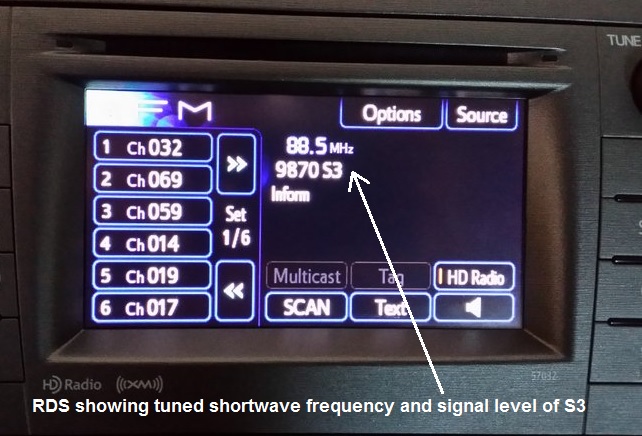
The realm of automotive audio systems has evolved significantly over the years, with features becoming increasingly sophisticated to enhance the driving experience. Among these advancements, Radio Data System, or RDS, stands out as a pivotal component of modern car radios. Understanding RDS can profoundly enrich one’s comprehension of automotive audio technology, and enable drivers to maximize the functionality of their in-car entertainment systems.
1. Understanding RDS: The Basics
RDS is a communication protocol standard for FM radio broadcasting. Developed in the 1980s, it allows FM radio stations to transmit additional information alongside the audio signal. This supplementary data can include everything from the name of the station and song titles to traffic reports and emergency alerts. RDS operates in the background, seamlessly integrating with the existing FM signal and providing a more dynamic listening experience.
2. Key Features of RDS
RDS encompasses a variety of features, each designed to enhance the user experience. Some of the most notable functionalities include:
- Program Service Name (PS): This feature displays the name of the radio station on the car radio’s screen, allowing drivers to quickly identify their favorite stations without sifting through a list of frequencies.
- Program Type (PTY): PTY coding categorizes the broadcast content, such as news, music, or weather. This functionality enables listeners to find specific programming effortlessly, catering to their moods and interests.
- Traffic Message Channel (TMC): One of the most beneficial features, TMC provides real-time traffic updates, which can be crucial for navigation. By integrating this service, drivers can receive alerts about accidents, road closures, and other relevant updates that may affect their travel.
- Dynamic RDS (DRDS): This feature enhances the flexibility of RDS by allowing ongoing updates. For instance, when a song title is played or a news segment begins, the information is sent in real-time, ensuring that listeners are always informed of the latest changes.
- Alternative Frequency (AF): AF allows users to switch to alternate frequencies that carry the same program. If the signal becomes weak or drops, the radio automatically seeks a stronger frequency, ensuring uninterrupted listening.
3. The Impact of RDS on the Driving Experience
Incorporating RDS into car radios significantly enhances the overall driving experience. By allowing drivers to access useful information directly from their audio system, RDS promotes a safer and more efficient journey. For example, imagine a driver receiving timely traffic updates through TMC while remaining focused on the road ahead, or benefiting from automatic frequency switching to maintain a seamless listening experience.
This responsiveness is particularly advantageous in busy urban environments where road conditions can change rapidly. Furthermore, the PS feature enhances the enjoyment of listening to music or talk shows by clearly displaying the names of stations and songs, eliminating the need for drivers to memorize frequencies.
4. The Technical Side of RDS
From a technical standpoint, RDS transmits data via a subcarrier at 57 kHz, embedded within an FM signal. This transmission is robust enough to ensure clarity and reliability even in challenging reception conditions. Additionally, RDS encoding employs error correction techniques to guarantee that information remains accurate, further enhancing the user experience.
As technology progresses, the sophistication of RDS has evolved. Newer systems may include even more advanced features, improving the completeness of the information broadcasted. This amalgamation of technology allows for a richer audio experience, which continues to evolve alongside consumer expectations.
5. Limitations of RDS
While RDS is a remarkable innovation, it is essential to acknowledge its limitations. Coverage can vary significantly depending on the geographical area and the strength of the signal. In more remote regions, RDS functionality may be limited or completely unavailable, leading to gaps in service. Moreover, the dependency on FM transmission means that listeners relying solely on digital platforms, such as streaming services, will not benefit from RDS features.
Additionally, not all car radios are equipped with RDS functionality. If you are interested in utilizing RDS features, it is vital to check compatibility with your vehicle’s audio system. Ensuring that you have a modern car radio with RDS capabilities can enhance your listening experience exponentially.
6. The Future of RDS in Automotive Audio Systems
The future of RDS is undeniably intertwined with the evolution of in-car technology. As more vehicles integrate advanced infotainment systems, the demand for RDS and its associated features is expected to grow. Innovations such as connectivity with smartphones, voice recognition, and AI-driven content curation may create even richer experiences for drivers and passengers alike.
Moreover, as digital broadcasting becomes more prevalent, RDS could serve as a bridge between traditional FM radio and digital solutions, helping to maintain its relevance in a rapidly changing landscape. The integration of localized content and personalized information through advanced algorithms could create a highly tailored listening experience that anticipates user needs.
Conclusion
Overall, understanding RDS not only enhances one’s appreciation of automotive audio systems but also reflects a broader shift towards more intelligent and connected driving experiences. The myriad of features available through RDS underscores its significance in the modern landscape of car radios, providing insightful information that enhances enjoyment and convenience. By optimizing the in-car listening experience, RDS embodies the future of audio technology, making every journey an opportunity for discovery and engagement.












