
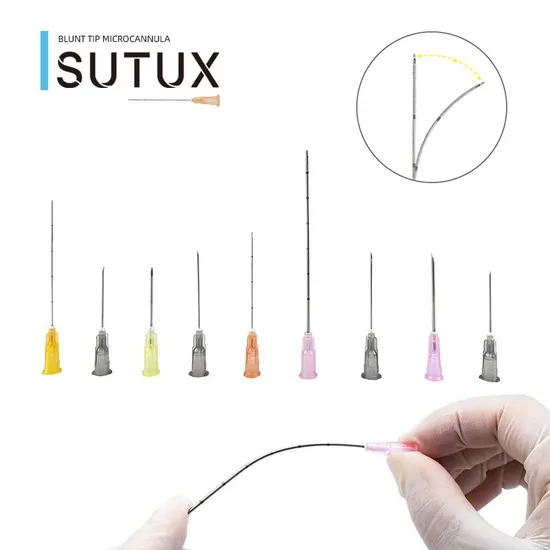
When navigating the intricate world of medical syringes and needles, understanding the markings and designations can feel akin to deciphering an ancient script. Among these cryptic symbols, “SAN 6” emerges as a point of intrigue, unraveling questions about needle sizes and their nuanced applications. In medical artistry, where precision is paramount, every minute detail assumes significance, and this article endeavors to illuminate the enigma of SAN 6, along with other needle sizes commonly employed in healthcare.
Decoding the SAN 6 Designation
The term “SAN 6” refers to a specific classification within the broader category of needles, which are instrumental in procedures ranging from vaccinations to intravenous therapies. As the Roman philosopher Seneca might have mused, “In every work of art, the details produce the effect.” Similarly, the SAN marking denotes an aspect of the needle’s construction, particularly its gauge—a measurement that significantly influences its usability.
The term “SAN” itself often relates to the size and characteristics of the needle, where each numeral that follows corresponds to a particular gauge size. In this instance, a SAN 6 needle is characterized of being larger than the finer gauge needles and offers a balance of robustness and fluid transit.
The Anatomy of Needle Sizes
Understanding needle sizes is akin to appreciating the various strokes in a painter’s palette. The gauge of a needle—its diameter—dictates both the volume of fluids it can accommodate and the comfort level for the patient. As the gauge number increases, the diameter of the needle decreases; therefore, a SAN 6 needle offers a greater circumference than its higher-gauge counterparts, making it ideal for certain applications.
Common needle sizes range from 18-gauge—suitable for larger volumes, such as blood transfusions—to 27-gauge, which is used for delicate tasks like immunizations. This range can be likened to a symphony orchestra, where each size plays an integral role in achieving harmony in patient care. The diverging applications of these gauges underscore the importance of choosing the correct instrument for each medical endeavor.
Navigating the Landscape of Needle Sizes
In medical practice, needle selection is not merely a question of gauge. Each needle size embodies a specific function, mirroring the diverse roles within an ensemble. For instance, while the SAN 6 may not be the finer tool in a clinician’s toolkit, its dimensions position it for distinctively robust applications, such as administering larger volumes of medication or extracting blood from veins with ease.
In the grand tapestry of healthcare, different needle sizes are employed for various procedures. Here’s a nuanced look at some common needle sizes and their applications:
- 18 Gauge: Often used in emergency settings for blood transfusions or infusions, where swift fluid delivery is paramount. This needle is the workhorse—the heavy lifter in urgent scenarios.
- 20 Gauge: Ideal for intravenous therapy, it strikes a delicate balance between comfort and efficiency.
- 22 Gauge: Frequently employed for routine injections, this size is versatile and widely favored in outpatient settings.
- 25 Gauge: Utilized for vaccinations and subcutaneous injections, it offers a gentler touch, minimizing patient discomfort.
- 27 Gauge: This smaller size is used for delicate procedures, such as insulin injections or pediatric vaccinations, representing precision in the hands of a capable practitioner.
Recognizing the optimal needle size for a particular procedure can significantly affect patient outcomes, echoing the sentiments of the great physician and philosopher, Hippocrates, who emphasized the importance of careful observation.
The Art of Choosing the Right Needle
Choosing the optimal needle transcends mere functionality; it becomes an art form—an amalgamation of clinical acumen, patient empathy, and contextual insight. Each choice reverberates within the broader narrative of patient care.
In clinical scenarios, various factors influence needle selection. Patient demographics, site of injection, and the nature of the medication all play pivotal roles in this decision-making process. For example, factors such as the viscosity of the substance to be injected require consideration; thicker substances may necessitate a larger gauge to permit smoother flow, while thinner formulations could be aptly delivered via delicate needles like the SAN 6.
A Metaphorical Representation
Think of needle selection as choosing the right keys for unlocking a treasure chest. The SAN 6 needle, with its robust frame, serves as a key designed for larger locks, designed to unleash a bounty of liquids when used correctly. In contrast, finer gauges are analogous to intricate, ornate keys representing finesse, unlocking the more delicate treasures of patient care. Each needle, be it SAN 6 or otherwise, plays its role in a broader narrative of healing and care, working towards the ultimate goal of patient well-being.
Conclusion
Comprehending the markings on needles—like the SAN 6 designation—reveals a deeper understanding of their significance in the medical realm. Each size serves a distinct purpose, contributing to the intricate tapestry of healthcare. The next time one encounters the terminology of needle sizes, it is imperative to appreciate the symphony of choices available, as they are the conduits through which healing and care flow. The artistry of medical needles is not merely in their design but also in their decisive roles within the realm of patient health and safety.












