
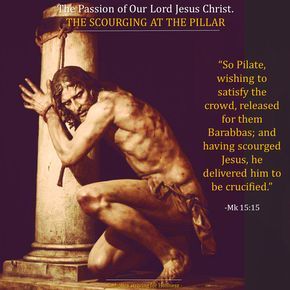
The term “scourged” holds profound theological resonance, especially within the context of biblical scripture. It draws upon a vivid depiction of suffering, punishment, and sacrifice that is integral to the narrative of salvation. To fully grasp the implications of this term requires a foray into its usage in the Bible, the historical significance surrounding it, and the ultimate meanings it conveys for believers. This exploration promises to shift your perspective on the concept of suffering and the implications of redemption through pain.
At its core, the term “scourged” refers to the act of whipping or flogging a person as a form of punishment. In biblical terms, its most poignant embodiment can be associated with the suffering endured by Jesus Christ. The Gospels depict His scourging as a pivotal moment leading up to the crucifixion—an event laden with emotional and spiritual weight. Matthew 27:26 states, “Then he released Barabbas to them; but he scourged Jesus and delivered Him to be crucified.” This chilling moment exemplifies the brutal nature of medieval punishment and its role in the larger narrative of Jesus’ journey toward the cross.
To decipher the implications of scourging, it is essential to examine its historical context. The act of scourging was not merely about inflicting physical pain but was also meant to humiliate, control, and demonstrate authority. Roman law was steeped in the belief that public punishment served dual purposes: deterring crime and reinforcing social order. The whip used during the scourging would typically be laced with sharp objects, designed to tear the flesh and inflict maximum agony. This visceral image compels one to consider the depths of suffering Jesus willingly embraced, underscoring a narrative that extols love and sacrifice in the face of unimaginable pain.
Theologically, the significance of scourging extends beyond its physicality. It serves as a poignant reminder of the prophetic scriptures, particularly those found in Isaiah. Isaiah 53:5 states, “But He was wounded for our transgressions, He was bruised for our iniquities; the chastisement for our peace was upon Him, and by His stripes, we are healed.” Here, “stripes” refers metaphorically to the wounds inflicted through scourging. This powerful linkage invites readers to reflect on the idea that suffering is transformative and redemptive, offering insight into the theological concept of atonement.
Scourging invites a duality of understanding: it reflects both justice and mercy. The expression of divine justice is evident in the punishment meted out, while mercy is manifest in the willingness of Jesus to endure such affliction for the sake of humanity’s salvation. The term forces believers to grapple with the duality of God’s nature—both a judge and a redeemer. This nuanced perspective compels Christians to consider the ramifications of their own lives and the paths they walk. Suffering is not merely a burden but can transmute into a conduit of grace and healing.
Moreover, the scourging of Jesus offers profound implications for the concept of human suffering. In a world rife with pain and difficulties, believers are often left wrestling with the apparent contradiction between a benevolent God and the reality of suffering. The biblical narrative shows that even the most righteous are not spared from affliction. Yet, through the lens of Jesus’ scourging, it is revealed that suffering may serve a higher purpose. It calls into question the understanding of what it means to walk in faith, often requiring surrender and humility in the face of adversity.
Contemplating the scourged form of Jesus may also evoke a sense of empathy and connection. When believers witness the profound suffering endured by Christ, it fosters a sense of solidarity with the world’s pain. In effect, by participating in this understanding of suffering, Christians are empowered to extend love, compassion, and support to others who endure hardship. This perspective shift, derived from the concept of scourging, nurtures a community ethos centered on healing rather than judgment, encouraging outreach and assistance rather than isolation.
However, the concept of scourging transcends mere pain. It culminates in resurrection and transformation. The act of scourging heralds a pivotal moment in history that is immediately followed by the crucifixion—an event that does not signify an end, but rather a prelude to resurrection. This idea encapsulates the essence of hope. The very act of enduring extreme suffering is portrayed as a pathway to redemption and new life. Romans 5:3-5 emphasizes this transformative approach to suffering: “And not only that, but we also glory in tribulations, knowing that tribulation produces perseverance; and perseverance, character; and character, hope.”
Thus, the narrative surrounding scourging invites believers to view their trials through a theological lens. It encourages a reevaluation of how suffering is perceived and embraced. Rather than viewing hardship as solely detrimental, it inspires an understanding that pain can indeed serve to deepen faith and foster spiritual resilience. By articulating the significance of this term, believers can unlock the transformative power held within the daily struggles they face.
In summation, unraveling the meaning of “scourged” within the Bible transcends the physicality of punishment and taps into a wellspring of spiritual insight. It beckons believers to embrace suffering not as an end but as a catalyst for profound transformation. This exploration encourages a perspective steeped in grace, empathy, and hope, aligning with the larger narrative of love that permeates the scriptures. Ultimately, the significance of scourging pushes one to reconsider the transformative potential embedded in pain, illuminating a path toward deeper faith and a more compassionate existence.












