
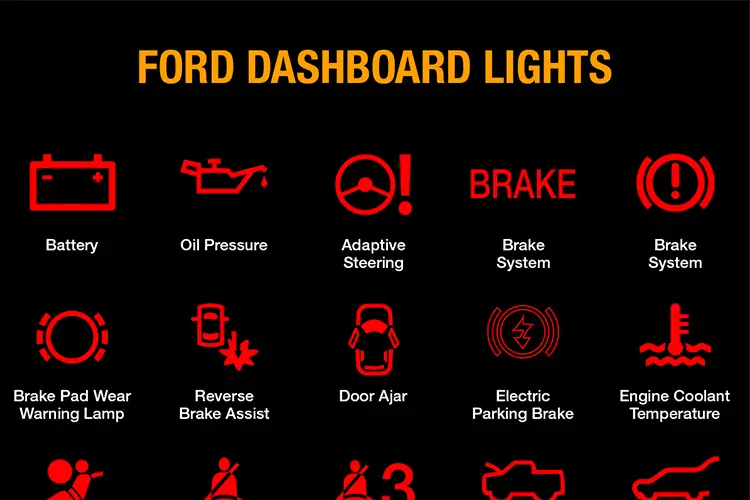
When driving, myriad dashboard warning lights can illuminate the moment you start the engine. Among the various symbols, the Service AdvanceTrac light often commands attention. Foreboding and perplexing to many drivers, this warning merits understanding to prevent further vehicular complications. In this article, we embark on a journey to decode the Service AdvanceTrac warning, scrutinizing its implications, potential causes, and necessary actions to take upon its illumination.
First and foremost, the AdvanceTrac system—known in some circles as Electronic Stability Control (ESC)—is an essential component of modern automotive technology. Its primary function is to enhance vehicle stability, particularly in precarious driving conditions. In essence, the system utilizes a network of sensors to monitor the vehicle’s speed, steering, and wheel traction. By detecting discrepancies between the vehicle’s intended path and its actual trajectory, the system can intervene. It achieves this through selective brake application and engine power modulation. The objective is lucid: to maintain control and avert skidding or rollover incidents.
Given the technological sophistication of the AdvanceTrac system, the appearance of the Service AdvanceTrac warning light can be alarming. Typically indicated by a car icon with a squiggly line beneath it, this warning signals a malfunction within the system that necessitates attention. Uninterrupted operation is crucial; loss of traction control can lead to dire consequences, especially when navigating slick or unstable surfaces. Hence, understanding its ramifications becomes paramount for any vehicle owner.
Let us delve into the possible reasons behind the Service AdvanceTrac light’s unwelcome glow. One notable cause is the prevalence of faulty wheel speed sensors. These sensors are instrumental in relaying critical data to the AdvanceTrac system. When they malfunction—either due to debris, wear, or electronic interference—the system cannot accurately gauge wheel movement. This may trigger the warning light, urging immediate investigation.
Another potential culprit is wheel alignment discrepancy. Proper alignment is indispensable for ensuring that each wheel functions cohesively. When misalignment occurs—often due to wear and tear or impacts from potholes or debris—one or more wheels may report inaccurate information to the AdvanceTrac system. Consequently, the alert might indicate a need for maintenance, prompting drivers to remedy the alignment promptly.
In addition, low tire pressure can trigger the Service AdvanceTrac warning. If tire pressure falls below the manufacturer’s recommended levels, it compromises traction, making it essential for the AdvanceTrac system to function optimally to maintain control. Monitoring tire pressure regularly can not only prevent such warnings but can ensure your vehicle performs at its best.
Moreover, electrical issues can impede the functioning of the AdvanceTrac system. Sensing malfunctions in the vehicle’s electrical components may send erroneous signals to the system. This could be due to damaged wiring harnesses or failing control modules. Electrical concerns require proficient diagnostics—since a knowledgeable technician can pinpoint the exact origin of the problem.
So, what should a driver do when confronted with this ominous warning? Promptness is crucial. Ignoring the Service AdvanceTrac light can culminate in serious automotive consequences, including compromised vehicle safety. Instead, a logical first step involves consulting the owner’s manual for specific guidance related to the vehicle make and model. Understanding the manufacturer’s recommendations can provide invaluable insight.
Should the manual indicate potential faults with the AdvanceTrac system, it’s advisable to seek professional assistance. A trusted automotive technician can conduct diagnostic tests, employing specialized tools to ascertain the system’s functionality. This might involve scanning the vehicle for trouble codes that pinpoint issues within the system. Depending on their findings, the technician can recommend repairs or replacements, ensuring your vehicle is restored to optimal working condition.
In the wake of this warning, regular maintenance can help forestall future occurrences. Routine checks of tire pressure, brake system integrity, and alignment are common preventive measures. Additionally, if your vehicle experiences frequent dashboard alerts, it might be worth investing in an advanced onboard diagnostic system. These devices can provide real-time feedback, allowing drivers to address issues before they escalate into more expensive repairs.
Furthermore, cultivating an awareness of driving conditions is indispensable. Inclement weather, including rain, snow, or ice, can significantly affect vehicle stability. Understanding how your vehicle’s systems interact can foster better driving practices. Knowing when to engage or disengage systems like AdvanceTrac can enhance both safety and vehicle performance.
Lastly, while the Service AdvanceTrac warning may invoke concern, it is also a testament to the aerodynamic sophistication embedded in modern vehicles. With technology evolving, these systems are designed to anticipate hazards that drivers might not perceive. Appreciate this advanced feature, and understand that while it may indicate a malfunction, it is also a reminder of a safety net designed to keep you secure while navigating the vast expanses of the open road.
In conclusion, pay heed to the Service AdvanceTrac warning light. By understanding its implications and the technology behind it, you can proactively maintain your vehicle, ensuring continued safety and performance. The art of driving encompasses not just the joy of the journey but also the responsibility of safeguarding oneself and others on the road. Embrace the knowledge, and let it guide your automotive stewardship.












