
When you roll into your local Mercedes-Benz dealership, the phrase “Service B” might flash on the dashboard like a silent alarm. For many car enthusiasts and casual drivers alike, deciphering what this entails can feel akin to solving a riddle wrapped in an enigma. So, what does Service B mean on a Mercedes? Let’s embark on a detailed exploration into the labyrinth of maintenance codes for this luxurious automobile brand.
Before delving into the specifics of Service B, it’s imperative to recognize that Mercedes-Benz employs a systemic approach towards vehicle maintenance, utilizing a series of alphabetical service codes designed to streamline upkeep. These codes provide an intuitive guide for owners and technicians alike, ensuring that each vehicle receives precise care tailored to its unique requirements.
But why should you care? Is it merely a ploy by manufacturers to pull a few extra bucks from your wallet, or does it serve a higher purpose in prolonging the life of your beloved vehicle? Clarity is essential here, as understanding these service codes could potentially save you from unanticipated repair bills down the road.
The Basics of Maintenance Codes
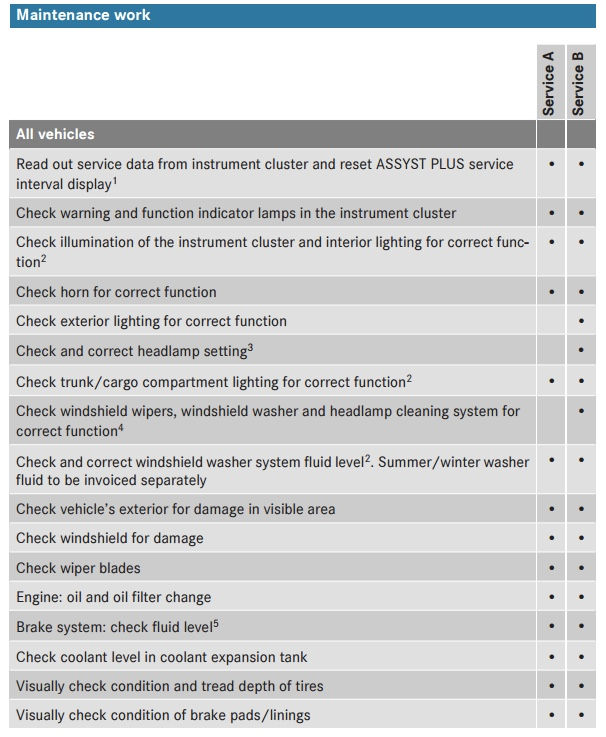
At the heart of Mercedes-Benz’s maintenance schedule are two primary services—Service A and Service B. Both are integral to the health of the vehicle, albeit differing in scope and requirements. While Service A primarily focuses on the foundational elements of maintenance, Service B dives deeper into the intricate systems that make up your car’s engineering marvel.
What’s Included in Service B?
During Service B, which typically occurs approximately every 20,000 miles or 2 years, your vehicle undergoes a comprehensive array of inspections and replacements. Let’s dissect the various components that are central to this routine maintenance:
- Oil Change: Just like your body requires hydration, your vehicle craves fresh, clean oil to function optimally. The oil change is a non-negotiable that’s included in Service B, ensuring that the engine is lubricated for peak performance.
- Oil Filter Replacement: Alongside the oil change, the oil filter is swapped out to prevent contaminants from polluting your engine’s lifeblood. This routine replacement helps maintain fluid integrity.
- Brake Fluid Replacement: With safety as a priority, addressing the brake fluid is critical. Over time, brake fluid can absorb moisture, compromising braking efficiency. In Service B, this fluid is checked and typically replaced.
- Air Filter Check: The air filter plays a pivotal role in maintaining optimal engine performance and improving fuel efficiency. During Service B, this component is inspected for debris and wear, ensuring clean airflow into your engine.
- Cabin Air Filter Replacement: Ever wondered why your car’s interior smells fresh? A functioning cabin air filter is essential, clearing out dust, pollen, and other airborne allergens. Service B checks and usually replaces this filter.
- Fluid Levels Inspection: From coolants to brake fluids, ensuring all essential fluids are at the correct levels is crucial. Technicians will inspect these fluids and top them off as necessary.
- Tire Rotation: Tire health is paramount for your vehicle’s safety and performance. Service B includes tire rotation to promote even wear and extend tire life.
- Visual Inspection: A comprehensive visual inspection of various vehicle components helps identify potential issues before they escalate. Mechanics will assess belts, hoses, and critical elements of the braking system during this phase.
Why is Service B Crucial?
The importance of Service B cannot be overstated. Each component addressed in this service plays a crucial role in your vehicle’s operational integrity and longevity. Think of it as a thorough examination that discerns the subtle issues before they spiral into significant, costly repairs. Skipping this maintenance can lead to diminished performance, unexpected mechanical failures, and even safety risks down the line.
Moreover, following the manufacturer’s recommended maintenance schedule can contribute positively to the resale value of your Mercedes-Benz. A vehicle that comes with a documented maintenance history is far more appealing in the eyes of potential buyers than one that lacks such accountability.
Deciphering Costs Associated with Service B
While the notion of shelling out cash for maintenance can be daunting, it is paramount to view this as an investment rather than a mere expense. The cost of Service B can vary based on the model and local labor rates, typically ranging between $300 and $600. Although this may sound like a steep price, think of it as a fraction of the cost associated with an unexpected breakdown or significant repair.
Taking the Challenge: DIY or Professional?
Now, let’s pose a playful query: Are you skilled enough to tackle some of these elements yourself, or would it be wiser to leave it to the professionals? If you possess mechanical knowledge and confidence, you may consider performing some tasks—such as oil changes or filter replacements—on your own. However, for most owners, opting for a certified Mercedes-Benz technician is advisable to ensure that every service is performed with precision and expertise.
Conclusion: Embrace the Journey of Maintenance
The labyrinth of Service B may initially seem daunting, yet it is crucial for the wellness of your Mercedes-Benz. By understanding what this maintenance entails, you position yourself as a savvy owner capable of making informed decisions regarding the care of your prized vehicle. Not only will your car thank you for it, but you will also revel in the unparalleled performance and longevity that comes from attentive maintenance. So, the next time “Service B” graces your dashboard, embrace it and equip yourself with the knowledge to enhance your driving experience.












