
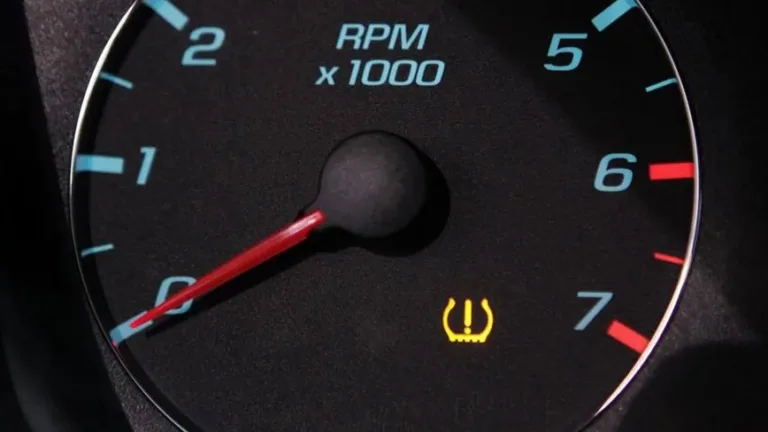
Imagine your vehicle as a well-orchestrated symphony. Each instrument plays a vital role, harmonizing to create a seamless driving experience. Among these instruments, tires hold a special status, akin to the percussionists that set the rhythm. Their performance dictates how smoothly everything flows. This is where the Tire Pressure Monitoring System (TPMS) enters the scene—your vehicle’s vigilant conductor, ensuring that the percussionists maintain their tempo. But what exactly does the service tire monitor mean when that notification lights up your dashboard? Let us delve into the intricacies of this pivotal system and decipher its many alerts.
The TPMS is a clever amalgamation of technology and automotive engineering designed to ensure your tires are well-inflated, thereby safeguarding your journey. Typically, a light on your dashboard signifies that one or more of your tires may be under-inflated or, conversely, over-inflated. Think of this alert as a gentle nudge from your car, beckoning you to assess the condition of its ‘footwear’ before embarking on new adventures.
At its core, the TPMS comprises two distinct types: direct and indirect. A direct TPMS is equipped with sensors situated within each tire, continuously measuring air pressure. These sensors relay real-time data to the vehicle’s onboard computer, which then translates these figures into actionable warnings. If tire pressure dips below the recommended threshold, the system sends a distress signal. On the other hand, an indirect TPMS utilizes the vehicle’s anti-lock brake system (ABS) to monitor tire rotation speed. Should a tire lose pressure, it rotates at a different speed than its properly inflated counterparts, thus triggering the alert. In both cases, the result is the same: an essential call to action.
The service tire monitor can light up for various reasons, and it’s crucial to differentiate these warnings to take the right action. A solid yellow or orange TPMS light generally indicates that one or more of your tires are not adequately inflated. This type of alert is reminiscent of a portable alarm clock—persistent and quite impossible to ignore. Driving on under-inflated tires not only poses a safety risk but also diminishes fuel efficiency and accelerates tire wear—an unsavory trifecta for any conscientious driver.
However, what happens when the TPMS light flashes? A blinking light signifies a more urgent issue, akin to a fire alarm blaring in a tightly contained space. This kind of alert typically means that there is a malfunction within the system itself, potentially indicating a dead battery in the sensor or a disconnected sensor wire. In such cases, your immediate course of action should involve consulting your vehicle’s manual for diagnostic guidance and seeking professional assistance promptly.
Aside from the illuminating lights, TPMS messages may also manifest through various other warnings displayed on your dashboard. Some vehicles feature advanced warning systems that describe individual tire pressures. For the savvy driver, this means you can diagnose which tire is in distress. This level of detail transforms the driver’s role from merely reactive to proactive. Recognition of a particular tire’s deficiency allows one to quickly correct inflation issues before they deteriorate into more severe problems.
Furthermore, the concept of recalibration cannot be overlooked in this discussion. Much like a conductor fine-tuning an orchestra, your TPMS needs recalibrating whenever tires are replaced or pressure comes through significant adjustments. If tire pressure has been adjusted, driving for a short distance may be necessary for the system to recognize these changes and adjust accordingly. Failing to recalibrate can lead to erroneous alerts, creating unnecessary anxiety and confusion on the road.
The wisdom of periodically checking your tires, beyond the reliance on TPMS, should not be underestimated. Manual inspections can catch issues that electronic systems may miss, like tread wear or punctures. Tire maintenance is analogous to dental hygiene—routine checks prevent larger complications down the road. Remember that even the most advanced technology has its limitations, and no system can entirely substitute for human vigilance.
Moreover, understanding the significance of tire pressure cannot be overstated. Properly inflated tires contribute to longevity, enhanced fuel efficiency, and improved handling. They offer a smoother ride, almost as if your vehicle glides serenely across the asphalt. Conversely, both over-inflated and under-inflated tires can impact vehicle control and braking distance, making it essential to heed the warnings that the TPMS graciously provides.
In conclusion, the service tire monitor system is a vital ally, ensuring that drivers remain informed about the state of their tires—a literal lifeline to safety on the roads. When the TPMS light flickers to life, it serves both to inform and to protect. By understanding these warnings and responding appropriately, drivers can master the art of automotive care, orchestrating a safe and reliable driving experience. Like a conductor leading a masterful performance, the TPMS enables us to ensure that every component of our journey plays its part flawlessly, revealing the true elegance of driving.












