
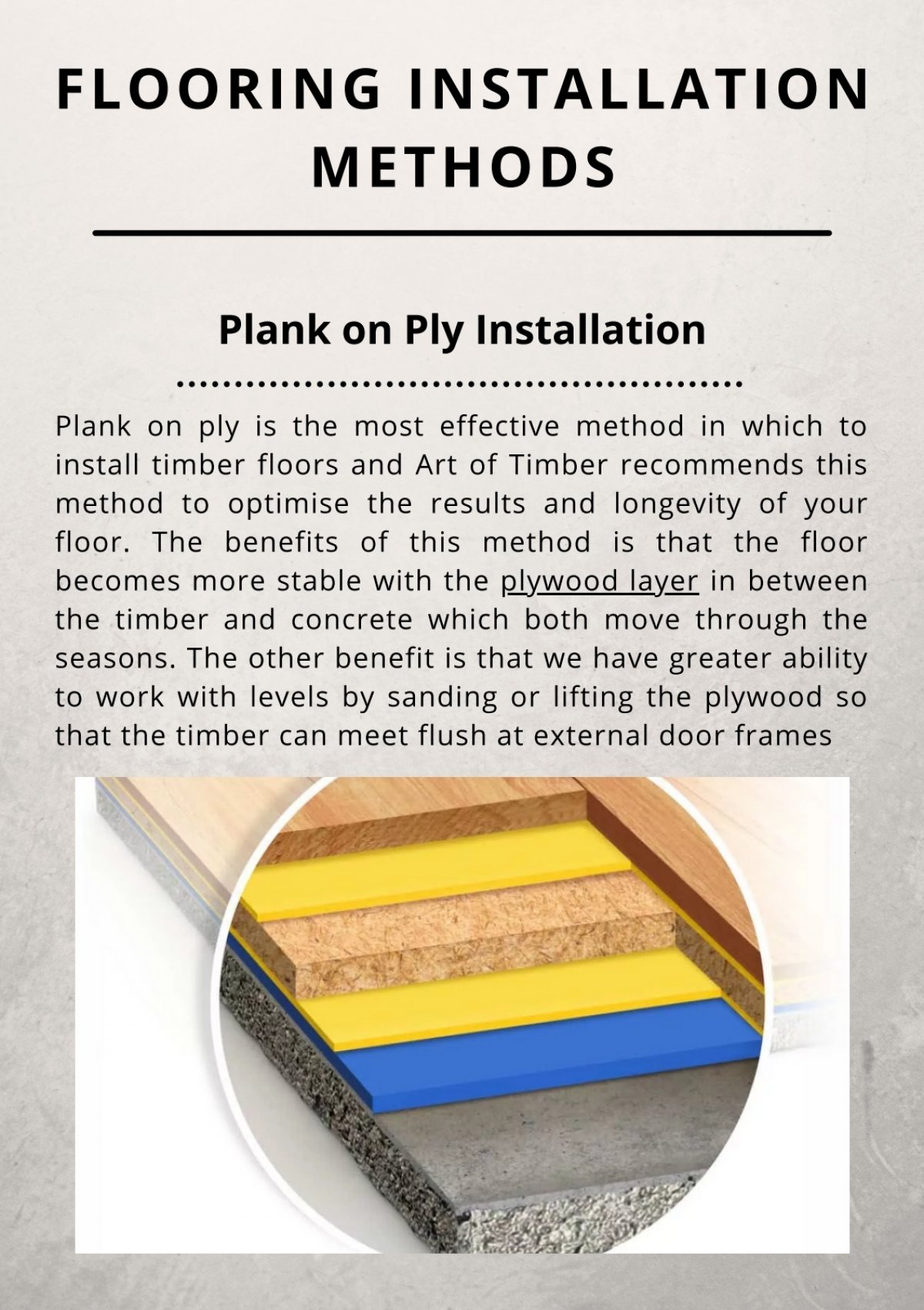
When delving into the world of flooring, the terminology can sometimes feel like an entirely different language—one filled with jargon, technical specifications, and subtle distinctions that can significantly impact the final results of your flooring project. Among such specialized terms, the word “shouldered” often crops up, leading many to ponder its exact implications. What does it mean, and how does it affect the installation and performance of flooring materials? In this article, we’ll dissect the concept of shouldered flooring, explore its installation methods, and clarify its role in shaping design aesthetics and functionality.
Understanding the Shouldered Finish
The term “shouldered” in the context of flooring refers to the specific profile and shape of the edges of flooring boards or tiles. Essentially, a shouldered edge features a slight ledge or flat area before a vertical drop. This design is crucial as it influences not only the overall appearance of the flooring but also the way that individual planks or tiles fit together during installation.
One of the primary benefits of shouldered flooring is that it promotes a more seamless appearance once installed. The consistent geometry of the shouldered edges allows for tighter fitting between planks, minimizing gaps that might otherwise detract from the visual appeal and structural integrity of the floor.
Installation Methods for Shouldered Flooring
Now that we have a grasp on what shouldered means, let’s take a deeper dive into the installation methods commonly associated with this design. Understanding these methods can empower homeowners and contractors alike to make educated choices during the flooring selection process.
1. Tongue and Groove Installation
One of the most prevalent methods for installing shouldered flooring is the tongue and groove technique. With this approach, each plank has a protruding ‘tongue’ on one side and a corresponding ‘groove’ on the other. When placing them together, the shouldered edges facilitate a snug fit that limits movement, thereby enhancing stability.
This method not only simplifies the installation process but also ensures a robust structure. Consequently, it minimizes the risk of warping or separation over time, commonly seen in other installations. Furthermore, the resulting floor has an aesthetically pleasing flush surface, making it perfect for both residential and commercial spaces.
2. Click-Lock Systems
The click-lock installation system is another user-friendly option, particularly appealing to DIY enthusiasts. Shouldered edge profiles can be designed for click-lock mechanisms, allowing planks to snap together with minimal tools required. This innovative technique greatly reduces the time needed for installation while maintaining the benefits of a shouldered edge.
The resulting floor is not only visually harmonious but also allows for modest fluctuations in temperature and humidity—greatly minimizing the fear of expansion gaps or buckling.
3. Glue Down Approach
For a more permanent solution, the glue-down technique is often adopted. This method involves applying adhesive to the subfloor and placing the shouldered flooring directly onto it. While this option requires a certain level of skill and patience, the benefits are significant: a solid bond that permits maximum soundproofing and insulation properties. Additionally, the pressure applied during the installation helps ensure that the shouldered edges fit tightly together, eliminating gaps and enhancing durability.
The Aesthetic Appeal
In addition to the functional benefits, shouldered flooring contributes significantly to the overall design narrative of a space. The profile creates visual lines that can expand the perception of the room, guiding the eye and adding a layer of sophistication.
Different shouldered configurations can lead to unique aesthetics—whether it’s a modern sleek look or a more rustic charm. Moreover, the choice of materials that can include hardwood, laminate, or engineered wood, combined with a shouldered edge, offers versatility that suits various interior styles.
Durability and Maintenance
When discussing durability, shouldered edges excel against the conventional straight edges primarily due to their design. The way they fit adds strength against wear and tear, a crucial element for high-traffic areas. As any flooring technician will attest, a well-installed shouldered floor can resist denting and scratching more effectively than its counterparts.
Maintenance also becomes more straightforward. Given that shouldered edges create fewer gaps where dirt can accumulate, keeping the flooring clean is a simpler task. Regular cleaning with appropriate products is all that’s necessary to maintain the floor’s elegant luster.
Conclusion: The Shift in Perspective
The term “shouldered” in flooring is more than just a descriptor; it symbolizes a paradigm shift in how we approach design, installation, and functionality within our spaces. By comprehending the implications of this term, you not only gain insight into the intricacies of flooring construction but also elevate your design choices to match modern standards of living.
As you embark on your next flooring project, consider the benefits of shouldered floors—where functionality meets elegance, promising a flooring solution that is durable, appealing, and truly transformative. With the right knowledge at hand, explore the possibilities and let the shouldered edge lead the way to innovative and stylish design.












