
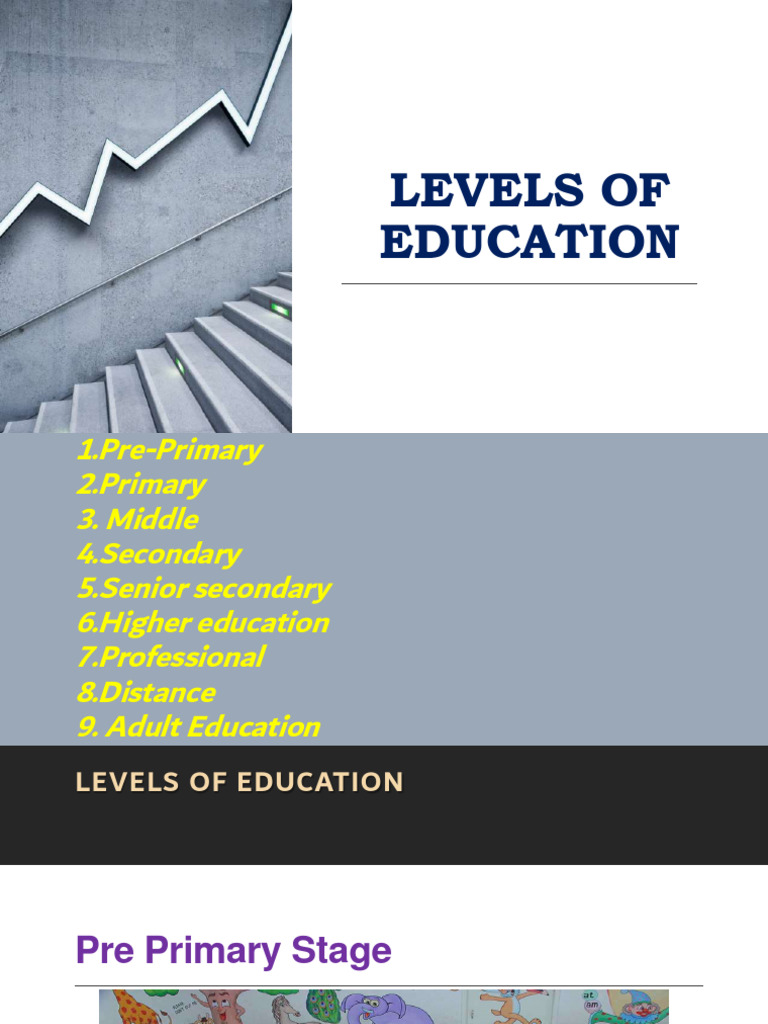
Understanding the labyrinthine hierarchy of education in the United States can be quite a daunting task. Among the various terminologies that populate this lexicon, the phrase “some college” frequently surfaces, bearing a significance that deserves careful examination. In this article, we delve deep into the concept of “some college,” elucidating its position within the broader educational framework and detailing the various levels of education that one might encounter.
At its core, the term “some college” typically denotes an individual who has commenced their higher education journey but has not yet culminated it with a degree. This can encompass a wide array of educational experiences, from a handful of courses at a community college to partial completion of a bachelor’s degree. The implications of this status are manifold, impacting everything from career opportunities to social perceptions. To categorize it within the intricate tapestry of educational attainment, we’ll dissect the various levels of education, highlight their associated experiences, and unpack what “some college” truly means.
Elementary Education: The Foundation of Knowledge
Elementary education serves as the bedrock of learning, typically encompassing kindergarten through fifth or sixth grade. This stage is fundamental as it introduces basic skills in reading, writing, and arithmetic, as well as essential social interactions. During these formative years, students also embark on their first forays into the arts and sciences, igniting a curiosity that can flourish in later educational pursuits.
Elementary education is characterized by standardized curricula that aim to equip young learners with critical foundational skills. Teachers at this level often employ various pedagogical strategies, fostering not only academic growth but also emotional and social development. The experiences gained here are pivotal in shaping future educational and career trajectories.
Middle and High School: Preparing for the Future
Following elementary education, middle and high school play a crucial role in a student’s academic journey. Middle school, typically consisting of grades six through eight, bridges the transition into adolescence and offers a more diversified curriculum. Subjects here become increasingly specialized, setting the groundwork for high school education.
High school, encompassing grades nine through twelve, is often the stage where learners solidify their interests and begin to map out their futures. Students are exposed to a plethora of subjects, including advanced placement courses, which can earn them college credits before they even graduate. The high school experience is not merely academic; it also includes extracurricular activities, such as sports and clubs, which foster critical life skills like teamwork, time management, and leadership.
Some College: An Interlude of Exploration
At this juncture, we arrive at “some college.” This term encapsulates a wide range of experiences, generally referring to individuals who have enrolled in a college or university but have not yet achieved a degree. This status can represent attendance at a four-year institution, a community college, or even specialized programs that cater to niche skills. While some students may only have a few credits to their name, others might be on the cusp of completing an associate’s degree or even a bachelor’s, albeit without finishing the program.
This educational interlude can be laden with implications. For instance, traditional employment options may remain elusive for those who have not graduated. Nevertheless, many industries value the initiative shown by those who have pursued even some college education. It illustrates a commitment to personal and intellectual growth, qualities sought after in many fast-paced job markets.
Associate’s Degree: A Valuable Credential
The next rung on the educational ladder is the associate’s degree, typically achieved after approximately two years of study at a community college or a technical institution. This degree serves as both an educational credential and a stepping stone; it can be a terminal degree for entry-level positions in fields like nursing, information technology, and the arts, or it can facilitate transfer to a four-year university to pursue a bachelor’s degree.
Associate programs are designed to be both practical and accessible, blending general education with specialized coursework tailored to specific careers. Graduates often find themselves more competitive in the job market, as they possess both theoretical knowledge and hands-on experience through internships or cooperative education programs.
Bachelor’s Degree: The Gateway to Professional Fields
Next, we arrive at the bachelor’s degree, a four-year program that delves deeper into a field of study, preparing graduates for the complexities of the modern workforce. This degree is often seen as the gold standard, opening doors to a myriad of professional paths in areas such as business, healthcare, science, and the humanities.
Not only does this level of education enhance knowledge and skills, but it also fosters critical thinking, analytical capabilities, and a deepened understanding of subject matter. Furthermore, many employers regard a bachelor’s degree as a minimum requirement, elevating its status within the educational hierarchy.
Graduate Education: Specialization and Expertise
Finally, graduate education encompasses master’s and doctoral degrees, reserved for those looking to attain specialized knowledge and expertise in a particular discipline. This level of education often involves rigorous research, advanced coursework, and a significant commitment of time and resources. Graduate degrees can dramatically alter career trajectories, paving the way for leadership roles, academic positions, and specialized professional pathways.
Conclusion: The Importance of Education Levels
In summation, the term “some college” captures a nuanced educational status that reflects ambition and potential but may also highlight the challenges faced by many in completing their academic goals. This landscape is starkly defined by the various educational milestones achieved, each carrying its own set of implications and opportunities. Understanding these levels of education not only broadens our comprehension of individual career trajectories but also fosters a greater appreciation for the diverse educational paths that shape our society.
Each educational experience contributes to the holistic development of individuals, illustrating that while the journey may be fraught with obstacles, it is also enriched with opportunities for growth, learning, and success.












