
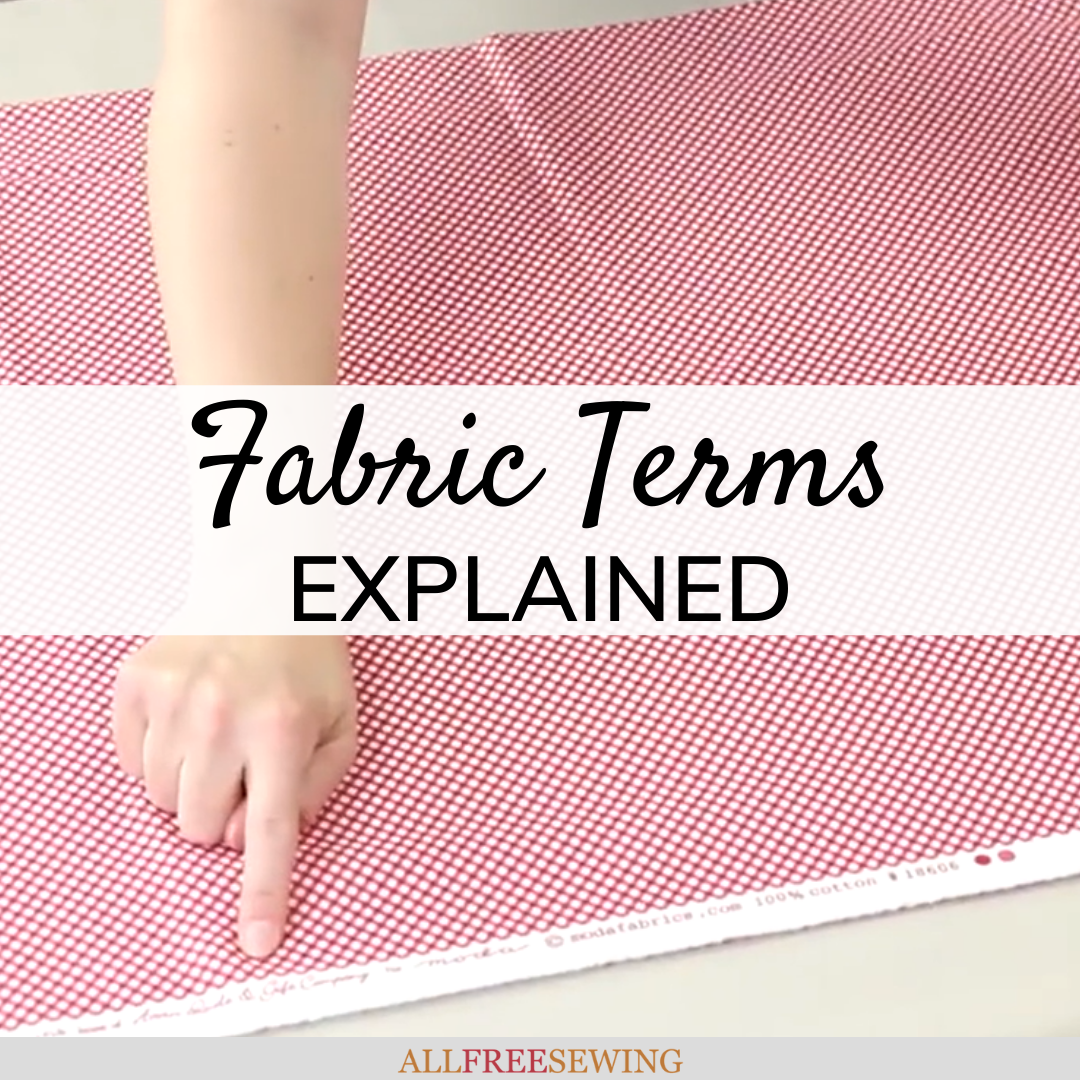
When you delve into the expansive world of fabric and design, you often encounter a labyrinth of terminologies that may boggle the mind. One such term that often eludes clear understanding is the enigmatic “T,” particularly in the context of canvas fabric. What does this cryptic letter signify? To truly appreciate the nuances of fabric design and terminology, it’s essential to adopt a fresh perspective, allowing curiosity to guide your exploration. Let’s navigate this intricate landscape together.
The letter “T” in fabric lingo usually stands for “thread count,” which is an integral aspect of detailing a fabric’s quality and texture. However, in the arena of canvas, this designation takes on a richer, more multifaceted interpretation. Canvas is a heavy-duty, durable fabric often employed in a plethora of applications, ranging from artistic endeavors like painting to robust structural purposes, including tents and footwear. It possesses an illustrious background in the realms of craftsmanship and design, making it not merely a material, but a canvas—both literally and metaphorically—for creativity.
First, let’s dissect the term “canvas” itself. Derived from the Latin word “cannabis,” it typically refers to a coarse fabric made from cotton or linen. Its unique weave imparts strength and stability while maintaining a certain degree of flexibility. Yet, there’s an entire universe encapsulated within this fabric, starting with the construction method. The canvas can be classified as duck, which is a close, heavy-weight fabric, or plain-woven canvas, which exhibits a more open structure. Each type has distinct characteristics that cater to varied uses and aesthetic appeals.
When referring to the “T” in canvas, one must illustrate the concept of thread count, which is pivotal when considering the fabric’s durability and feel. Thread count is the number of threads woven into a square inch of fabric, measured both vertically and horizontally. Here’s where it gets intriguing: a higher thread count signifies a denser, often more luxurious fabric, while a lower thread count may imply greater breathability—a key factor for certain applications. For canvas, the thread count is not just about luxury; it often serves as an indicator of the fabric’s sturdiness and potential use-cases.
Moreover, the interplay of threads within canvas hinges on the weave used to construct it. Two common weaving techniques—plain and twill—give rise to distinctly different characteristics. The plain weave, creating a simple crisscross pattern, offers versatility and strength, while twill, recognizable by its diagonal ribbing, adds a bit of flair and fluidity. This point is crucial, as the type of weave can dictate not only the tactile experience but also the visual appeal of the final product—whether it be bags, upholstery, or outdoor gear.
Next, let’s explore how the choice of fiber influences the canvas’ utility. While cotton canvas is ubiquitous due to its softness and workability, alternatives such as synthetic fibers offer exceptional resilience and weather resistance. For instance, polyester-canvas blends are increasingly popular in outdoor applications due to their ability to withstand the elements while maintaining a degree of aesthetic appeal. Thus, understanding the materials used in conjunction with the “T”—the thread count—can heighten your creative prospects.
Stepping further into the world of design, the application of canvas in artistic realms unveils an array of possibilities. Artists delight in the adaptability of canvas for painting, as its surface permits a wide range of techniques, from oils to acrylics. The gesso applied to primed canvases adds another layer of sophistication, allowing colors to pop and blend with finesse. Thus, canvas transitions from a mere fabric into a dynamic surface, empowering expressions of creativity.
The “T” concept also nudges us to consider practical elements—such as maintenance and longevity. A well-constructed canvas piece, bolstered by high thread counts, not only promises durability but also requires intentional care. Understanding how to wash, store, and preserve canvas items can safeguard your investments and keep your designs vibrant over time. Further exploring environmental factors, the treatment of canvas—such as water-repellent coatings—can significantly extend a fabric’s life span, especially in outdoor contexts.
Lastly, let’s ponder the evolving fashion and design philosophies intertwined with canvas use. As societal trends shift towards sustainability and eco-friendliness, the canvas fabric is often championed for its recyclable nature, particularly when manufactured from organic materials. In the fashion industry, eco-conscious designers are reimagining traditional uses of canvas, turning it into chic apparel and accessories that resonate with modern aesthetics while simultaneously honoring textile history.
As we peel back the layers of canvas and the significance of “T,” it becomes evident that this seemingly simple letter embodies a wealth of knowledge and insight into the realms of design and fabric. From the intricate balance of thread count to the unique properties of various weaves, understanding these terms enables both creators and consumers alike to make informed choices. Embracing this nomenclature not only enriches our comprehension of fabrics, but it also invites a refreshing perspective on how we approach our creative pursuits. The canvas, with its storied past and promising future, challenges us to look beyond the surface—inviting us to explore the myriad ways it can inspire and transform our worlds.












