
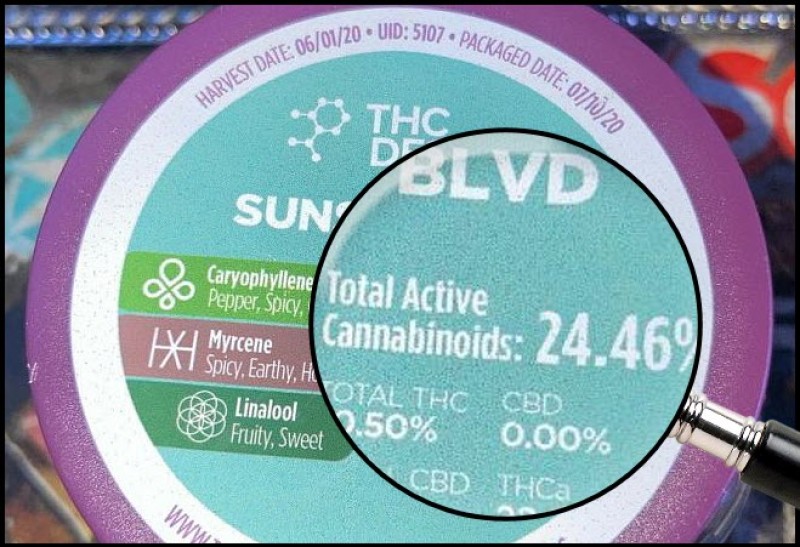
In the ever-evolving world of cannabis, terminology can often feel like a complex puzzle, especially for novices. One such term that has garnered increased attention in recent years is TAC, or Total Active Cannabinoids. As cannabis culture expands and diversifies, understanding the intricacies of its language becomes increasingly essential for enthusiasts, patients, and casual users alike. In this article, we will delve into the meaning of TAC, its implications in the cannabis industry, and why it plays a crucial role in the consumption and selection of cannabis products.
Defining TAC: What it Stands For
Total Active Cannabinoids (TAC) refers to the cumulative amount of bioactive cannabinoids present in a cannabis sample. This encompasses not only the well-known tetrahydrocannabinol (THC) and cannabidiol (CBD) but also a spectrum of lesser-known yet potent cannabinoids, such as cannabigerol (CBG), cannabinol (CBN), and cannabichromene (CBC). A deeper understanding of TAC enables consumers to make informed choices about their cannabis products, ensuring they find the right balance between effect and experience.
The Importance of TAC in Cannabis Products
When selecting cannabis, consumers often focus primarily on THC levels, but overlooking TAC can lead to a limited understanding of how a product may affect them. Different cannabinoids interact with the body’s endocannabinoid system, creating various therapeutic and recreational effects. For instance, while THC is primarily known for its psychoactive effects, CBD has garnered attention for its potential therapeutic benefits without the high commonly associated with THC. A product with a higher TAC may provide a more comprehensive experience, engaging multiple receptors and eliciting a synergistic effect known as the “entourage effect.”
Understanding the Entourage Effect
The interplay between cannabinoids is a phenomenon often referred to as the entourage effect, which suggests that the combined effects of individual cannabinoids and terpenes can amplify or alter their therapeutic benefits. When TAC levels are high, the likelihood of experiencing this effect increases, making strains or products richer in cannabinoids preferable for many users. Consequently, a higher TAC could enhance pain relief, reduce anxiety, or increase overall relaxation, depending on the cannabinoids present.
How TAC is Measured
TAC is calculated by summing the percentages of all active cannabinoids in a product. This is typically represented as a percentage on packaging labels. For example, if a strain contains 20% THC, 1% CBD, and 0.5% CBG, the TAC would be 21.5%. Understanding how to interpret these numbers proves vital when navigating the myriad of cannabis options available. It empowers consumers to select products that align with their desired effects, whether for recreational indulgence or medicinal purposes.
Types of Cannabis: Finding Your Perfect Match
Cannabis strains can generally be categorized into three main types: Indica, Sativa, and Hybrid. Each of these categories can exhibit different cannabinoid profiles resulting in varied TAC levels.
- Indica: Often associated with relaxation and insomnia relief, Indica strains might show higher levels of cannabinoids like CBD and CBN, contributing to a higher TAC that promotes sedation.
- Sativa: Known for their energizing and uplifting effects, Sativa strains often contain higher THC levels, contributing to a more significant psychoactive experience. The TAC might include significant amounts of THCV (Tetrahydrocannabivarin), known for its appetite-suppressing qualities.
- Hybrid: These strains are crossbreeds of Indica and Sativa, resulting in various cannabinoid profiles. A hybrid with a balanced TAC can appeal to users seeking both relaxation and stimulation.
Considerations for Consumers
When exploring cannabis products, keep TAC in mind as you evaluate your needs and preferences. Here are some essential considerations:
- Personal Goals: What do you want to achieve? The desired effects could dictate the kind of cannabinoids you might want to prioritize.
- Delivery Method: Different methods of consumption, such as smoking, vaping, or edibles, can significantly affect how you experience TAC. For example, edibles often produce a longer-lasting effect compared to smoking.
- Source Transparency: Opt for products from reputable sources that provide lab testing results. This transparency can ensure that you are getting accurate TAC information, preventing discrepancies in labeling from misleading you.
Emerging Trends in TAC Research
The cannabis industry is witnessing a research renaissance, with ongoing studies emphasizing the importance of understanding cannabis cannabinoids beyond just THC and CBD. Emerging scientific research continues to explore the therapeutic effects of cannabinoids with attention to TAC, guiding users towards products that better align with their health and wellness goals.
Conclusion: Embracing the Complexity of Cannabis
Navigating the world of cannabis terminology demands a willingness to embrace its complexity. The concept of Total Active Cannabinoids may seem just another acronym, but understanding it profoundly enriches the consumer experience, paving the way for more informed decisions. By paying attention to TAC, cannabis users can harness the full spectrum of benefits that various cannabinoids offer, fostering a deeper connection to the plant and its myriad of applications. Ultimately, the journey into cannabis enjoyment and wellness continues, inviting everyone to explore and appreciate its multifaceted nature.












