
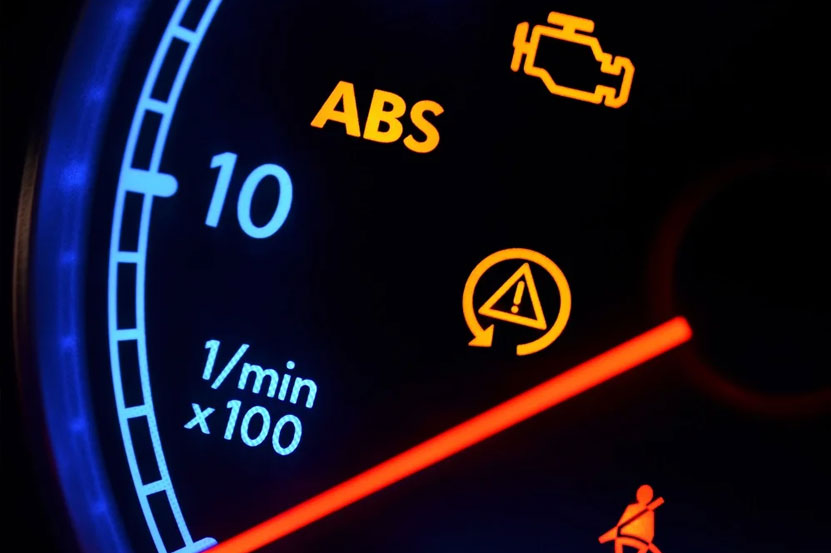
When the check engine light illuminates on the dashboard of your Jeep Compass, it can evoke a sense of trepidation. This small, yet potent symbol can signify a multitude of issues, ranging from benign to critical. Understanding the implications of this warning light is paramount for any Jeep Compass owner who values the integrity of their vehicle. Below, we dissect the various meanings of the check engine light and offer guidance on navigating the ensuing complexities.
1. The Anatomy of the Check Engine Light
First and foremost, it’s crucial to grasp that the check engine light is an integral part of the vehicle’s onboard diagnostics (OBD) system. This system conducts continuous surveillance of the engine and its components. When it detects an anomaly beyond acceptable parameters, it triggers the light. The check engine light can present in two forms: a solid light and a blinking light. Each holds different connotations that warrant nuanced attention.
2. Solid Check Engine Light
A solid check engine light, while concerning, generally suggests an issue that is not immediately threatening to the vehicle’s operation. Common culprits include:
- Loose or Damaged Gas Cap: This is one of the most trivial reasons for a solid check engine light. A gas cap that is not sealed properly can cause fuel vapors to escape, leading the system to register a fault.
- Faulty Oxygen Sensor: This component monitors the oxygen levels in the exhaust. A malfunctioning oxygen sensor can impact fuel efficiency and emissions.
- Catalytic Converter Issues: The catalytic converter is vital for reducing harmful emissions. A potential failure may spark the light, suggesting inefficiencies in the exhaust system.
- Mass Airflow Sensor Problems: This sensor measures the amount of air entering the engine, and discrepancies can lead to a range of performance issues.
To alleviate concerns, a professional diagnostic scan can pinpoint the exact cause of the illuminated check engine light, enabling timely action.
3. Blinking Check Engine Light
In stark contrast, a blinking check engine light is a harbinger of urgency. It often indicates a severe malfunction, potentially affecting the vehicle’s operation and posing a risk of catastrophic failure. Notable issues associated with a blinking light include:
- Severe Engine Misfire: This could mean unburned fuel is emitting into the exhaust, which can damage the catalytic converter if not rectified promptly.
- Transmission Problems: A miscommunication between the engine and transmission can manifest through the check engine light. This issue merits immediate attention to avoid extensive repairs.
- Dangers of Overheating: An engine that is running hotter than normal can trigger the warning light immediately. Overheating can lead to severe engine damage.
When faced with a blinking check engine light, it is advisable to reduce speed, avoid hard acceleration, and seek professional assistance without delay.
4. Diagnostic Troubleshooting
Pursuing diagnostics is an imperative step to decode the check engine light’s revelations. A typical diagnostic process includes:
- OBD-II Scanner Usage: This tool can extract error codes that provide insights into system malfunctions.
- Visual Inspection: Technicians will scrutinize various engine components for visible signs of wear or damage, including hoses, connectors, and wires.
- Road Testing: Engineers may conduct a road test to simulate driving conditions and identify potential variances in performance.
Accurate diagnosis leads not only to the identification of the problem but fosters an informed approach for necessary repairs.
5. Common Repairs Associated with Check Engine Light
After diagnosing the problem, the requisite repairs will depend on the identified issue. Some prevalent repairs and maintenance tasks include:
- Replacing the Oxygen Sensor: This endeavor enhances fuel efficiency and ensures compliance with emission regulations.
- Fixing or Replacing the Catalytic Converter: This repair can be costly but is critical for maintaining the vehicle’s emissions system.
- Sealing or Replacing Gas Caps: A straightforward fix that can prevent moisture ingress and enhance combustion efficiency.
- Addressing Engine Misfires: Correcting ignition timing or replacing spark plugs can resolve misfire issues effectively.
6. Preventive Measures and Maintenance
Preventive maintenance is the linchpin to averting severe engine complications. Routine inspections, adhering to the manufacturer’s recommended service intervals, and utilizing high-quality fuel can preemptively mitigate common issues. Regularly checking fluid levels, monitoring tire pressure, and ensuring proper engine ventilation are prudent practices that optimize vehicle longevity.
7. Understanding when to Seek Help
Deciding when to consult a mechanic can often be ambiguous. It is prudent to seek help if the check engine light remains illuminated after a few days of normal driving conditions or if other signs, such as unusual noises or changes in performance, accompany the light. Ignoring these indicators can result in irreversible damage.
In summation, the check engine light on your Jeep Compass serves as a critical alert system that encompasses a broad spectrum of potential issues. By comprehending its meanings and responding appropriately, you can ensure the longevity and reliability of your vehicle. Diligent attention to this unassuming indicator can facilitate smooth trips for many miles to come.












