
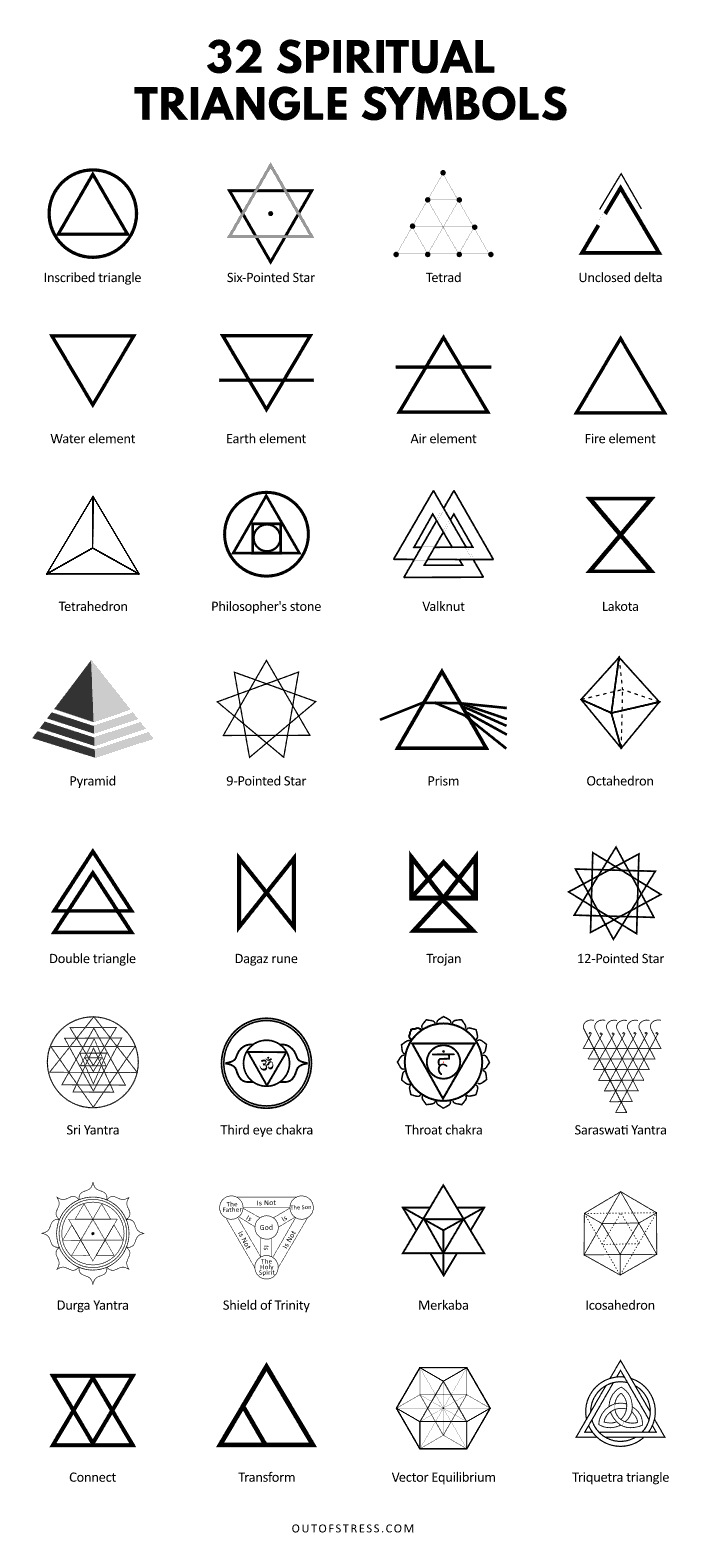
The symbolism of a circle encompassing a triangle carries profound implications across various cultures, spiritual traditions, and philosophical beliefs. Each element—the circle and the triangle—possesses its own distinct significance, yet when interwoven, they create a rich tapestry of meanings that beckon exploration. In this article, we delve into the multifaceted interpretations of this emblem, elucidating its presence in diverse contexts, including spirituality, geometry, and art.
The Circle: A Symbol of Wholeness and Eternity
The circle stands as one of humanity’s most ancient symbols, often representing the concept of wholeness, unity, and eternity. Its endless shape lacks a beginning or an end, evoking the cyclical nature of existence—life, death, and rebirth. In spiritual frameworks, circles often symbolize the interconnectedness of all beings, suggesting that every individual plays a part in the grand tapestry of life. This notion is especially prevalent in various indigenous cultures, where circles are employed in rituals and gatherings to denote equality and inclusivity.
Moreover, the circle is frequently associated with the divine. In many religious contexts, it represents the idea of infinity, suggesting an omnipresent deity or a universal spirit. The circular mandala used in Hinduism and Buddhism embodies this concept, serving as a tool for meditation that guides individuals towards self-realization and enlightenment.
The Triangle: A Symbol of Stability and Transition
Conversely, the triangle embodies a different array of meanings. Typically associated with stability due to its strong geometric structure, the triangle signifies balance and harmony. Its three sides and angles correlate with various trinities found in spiritual and philosophical frameworks—for instance, the Holy Trinity in Christianity (the Father, the Son, and the Holy Spirit) or the principle of mind, body, and spirit in holistic wellness practices.
The triangle also represents a transformative journey. Pointed upwards, it symbolizes aspiration and enlightenment, urging individuals to transcend their limitations. Conversely, an inverted triangle—pointing downwards—might signify a grounding force, encouraging the exploration of deeper emotions or a connection to the earth.
The Synergy of Circle and Triangle
When these two potent symbols intertwine, they produce an emblem that harmonizes the ethereal and the material, the infinite and the finite. This synthesis often conveys a message about the balance between the spiritual and physical realms. The circle encasing the triangle can be interpreted as the universe or cosmic order surrounding the structured stability of life’s journey, as denoted by the triangle.
A prominent example of this symbolism can be observed in the realm of alchemy, where the circle and triangle together symbolize the amalgamation of material and spiritual elements, aiming for balance. The interplay between these symbols encourages individuals to seek harmony in their own lives, blending the metaphysical with the practical.
In Various Cultures and Spiritual Practices
The emblem of a circle with a triangle in it has found its way into various cultures and spiritual practices, each imbuing it with unique interpretations. For instance, in ancient Egypt, the triangle was associated with the pyramids, representing the divine connection between the earthly and the heavenly realms. The circle around it could be seen as the encompassing nature of the cosmos, demonstrating the eternal quest for spiritual enlightenment.
Similarly, in Western esoteric traditions, the combination represents the linking of the microcosm (the individual) with the macrocosm (the universe). Contemporary spiritual movements frequently utilize this symbol as a reminder of one’s connection to all that exists, encouraging individuals to embark on their spiritual journeys while acknowledging the unity of the cosmos.
In the realm of modern art and symbolism, the circle and triangle motif has been popularized in various graphic designs and as part of contemporary symbolism in movements like the New Age. Artists and designers often employ these elements to evoke feelings of enlightenment, stability, and transformation, inviting observers to reflect on their personal journeys.
Psychological Interpretations
Beyond cultural and spiritual significances, psychological interpretations also warrant attention. The circle, representing the self, and the triangle, symbolizing growth and development, work hand in hand to depict the psychological evolution of an individual. This interplay can symbolize the journey toward self-actualization, suggesting a pathway from simple existence to a profound understanding of one’s purpose and potential.
Furthermore, exploring this symbol within the context of Jungian psychology can yield fascinating insights. Carl Jung emphasized archetypes in his work, suggesting that shapes can embody collective unconscious symbols. The circle and triangle might represent opposing forces within the psyche—the circle alluding to the feminine, nurturing aspect, and the triangle symbolizing the masculine, assertive energy. Such interpretations can encourage a deeper exploration of the self and a reconciliation of internal conflicts.
Conclusion: A Symbol of Integration
In synthesizing the meanings of a circle with a triangle in it, we come to appreciate its representation of integration—a blending of spiritual, physical, psychological, and cultural dimensions. This profound emblem serves as a reminder of the interconnectedness of all things and the continuous journey of personal and collective evolution. Whether viewed through the lens of spirituality, art, or psychology, the circle and triangle invite us to explore the harmony between our inner selves and the universe, urging us forward on a path of enlightenment, growth, and unity.












