
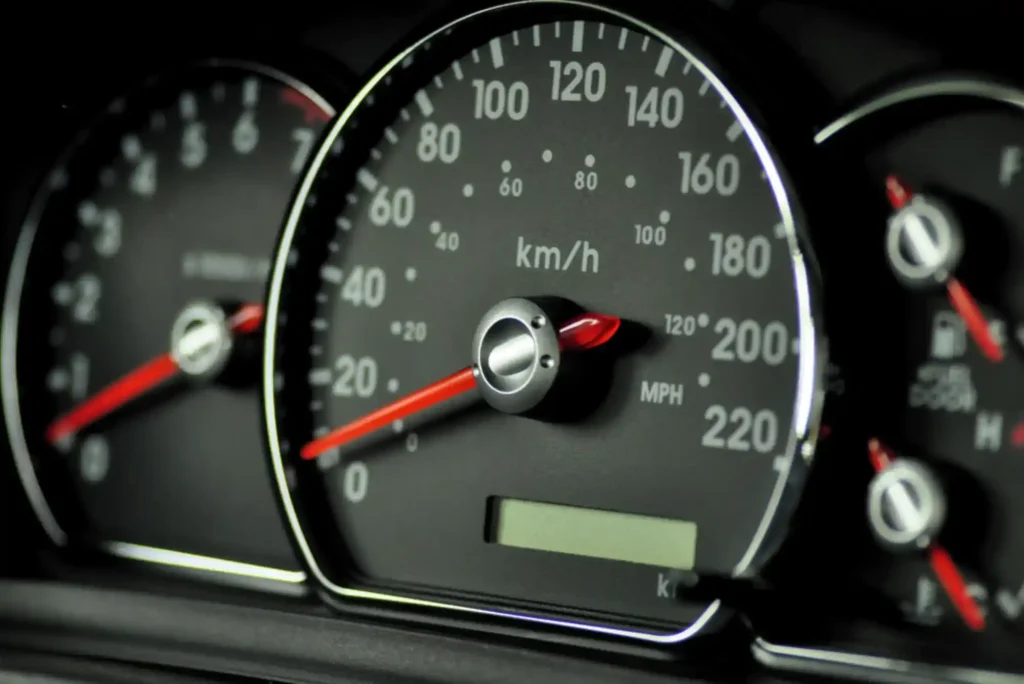
When it comes to purchasing a car, one of the most pivotal factors that play a role in the decision-making process is mileage. To some, it may appear as a mere number, a statistic frozen in time, yet it tells a riveting story—each numeral unveils the adventures, trials, and endurance of the vehicle. Understanding what mileage signifies equips prospective buyers with the knowledge to make astute decisions. This exploration delves into the enigmatic world of car mileage, illuminating its implications and the art of buying smarter.
The term “mileage” refers to the distance a vehicle has traveled, typically measured in miles or kilometers. It serves as an essential barometer of a car’s wear and tear, essentially narrating its journey across asphalt jungles and country roads alike. Just as the rings of a tree reveal its age and environmental encounters, a car’s mileage reflects its life experiences, offering insights into its mechanical health and potential longevity.
Understanding Mileage Types
First and foremost, it is crucial to differentiate between two types of mileage: “actual” and “perceived.” Actual mileage is straightforward—the number displayed on the odometer. In contrast, perceived mileage comprises the buyer’s interpretation of that number, informed by factors such as maintenance history, driving habits, and even the cultural context of the vehicle. A car with exceptionally high mileage might still be a worthy candidate if it has been meticulously maintained and used primarily for highway commuting rather than the grueling wear of city driving.
High Mileage: A Double-Edged Sword
A vehicle with high mileage may evoke a sense of trepidation in potential buyers. However, much like a grizzled veteran, a high-mileage car can possess wisdom acquired through numerous experiences. When well cared for, such vehicles might still have plenty of life left to give. They might be likened to seasoned athletes, who, despite the miles on their legs, still possess extraordinary prowess and durability.
Nonetheless, it’s imperative to scrutinize the vehicle’s maintenance records. A car with notably high mileage paired with a comprehensive history of regular oil changes, tire rotations, and timely repairs can be a treasure trove of reliability. On the other hand, a high-mileage vehicle with scant maintenance records might be akin to a ship weathered by storms—it might well be nearing the end of its journey.
Low Mileage: The Lure and the Reality
Conversely, cars adorned with low mileage are often regarded as pristine artifacts, gleaming with the promise of longevity. While low mileage can suggest a vehicle has suffered less wear and tear, it is not an unequivocal seal of quality. Cars that sit idle for extended periods can develop hidden issues, akin to a once-thriving garden turning into an overgrown patch of weeds due to neglect. Components such as gaskets, seals, and brake systems can deteriorate when vehicles are not regularly exercised. Consequently, low mileage does not automatically equate to low risk; instead, it warrants a thorough examination.
The Myth of Mileage as Sole Indicator
Many car buyers fall into the trap of equating a car’s mileage with its overall condition. However, viewing mileage in isolation is a precarious oversight. A vehicle’s condition must also consider the make and model, which significantly influence longevity. Certain brands and models are renowned for their durability and can thrive despite high mileage, transforming into cherished companions for their owners.
Conversely, other vehicles, despite lower mileage figures, might be plagued by inherent design flaws or subpar materials. Thus, it becomes paramount to pair mileage analysis with insights into the manufacturer’s reputation and the vehicle’s specific history.
The Role of Driving Conditions
Driving conditions also dramatically influence the implications of mileage. City driving, characterized by frequent stops and starts, places substantial stress on a vehicle’s engine and transmission, while highway cruising typically entails smoother performance and reduced strain. A car with high mileage accrued primarily on highways may possess a far cleaner bill of health than one of the same mileage that has navigated urban landscapes.
The transition between various driving conditions, much like the passage through life’s seasons, leaves its own mark on the vehicle. Thus, understanding the context of the mileage is crucial for discerning its impact. This consideration gives rise to the necessity of inquiry: Where did this car travel? Was it a battle-worn warrior traversing the treacherous canyons of urban traffic, or a nomad wandering remote highways with gentle care?
A Comprehensive Assessment
The intelligent buyer will not rely on mileage alone. A multi-faceted evaluation is essential—an assessment that encompasses both the tangible and intangible facets of the vehicle’s history. Merging the odometer’s narrative with documentation of previous services, warranties, and inspections paints a fuller picture. Finding the perfect vehicle is akin to piecing together a puzzle; each element must interlock seamlessly to foster confidence in the ultimate choice.
Conclusion: Choosing Wisely
In the grand tapestry of automotive purchasing, mileage serves as a significant yet singular thread. It is a vital element, yet it compels buyers to delve deeper into the story each car tells. A discerning buyer who appreciates the significance of mileage will avoid the pitfalls of superficial judgments and instead embrace the intricacies that constitute a sound purchase. Like a well-crafted narrative, every car has a story engraved in its mileage—a tale waiting to be told, inviting the right owner to embark on its next chapter.












