
In the realms of biblical study, numbers often take on significant meanings, serving as vehicles for theological insights and spiritual truths. Among these numerological symbols, the number 15 emerges as a noteworthy figure, cloaked in layers of interpretation and biblical narratives. To fully appreciate its multifaceted symbolism, one must delve into scriptural instances, historical contexts, and interpretative traditions.
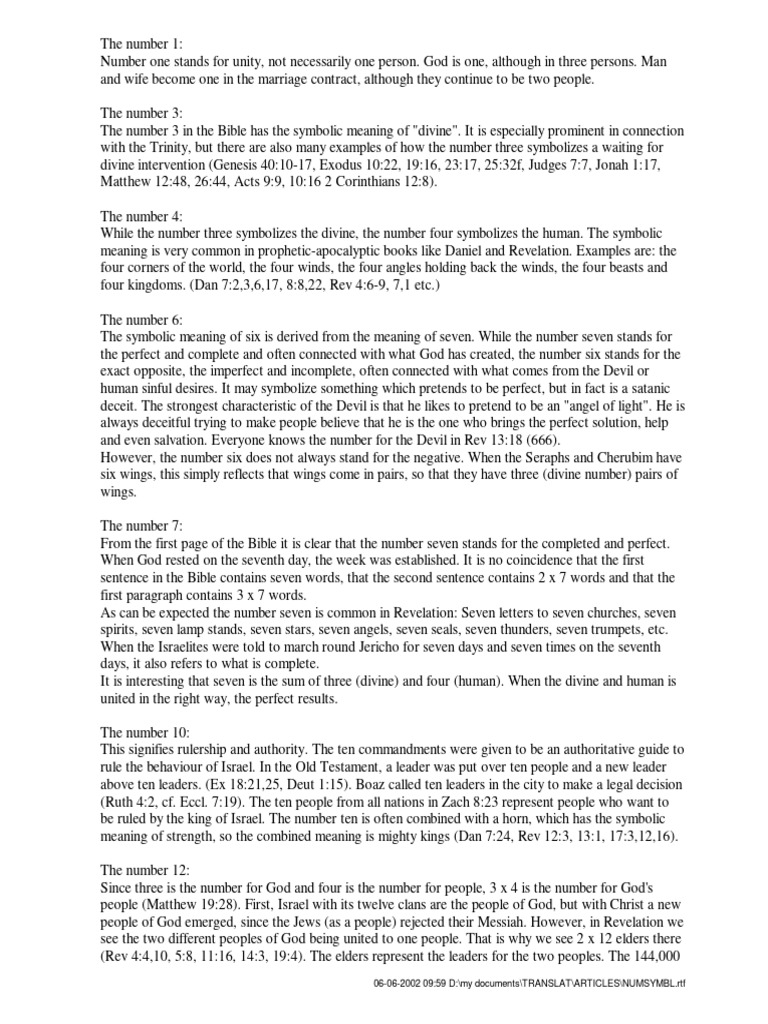
First and foremost, it’s imperative to recognize that the number 15 is a compound of two pivotal biblical numbers: 10 and 5. In biblical numerology, the number 10 frequently symbolizes divine order and completeness, often associated with the Ten Commandments which serve as foundational precepts for moral living. Meanwhile, the number 5 often signifies grace, as elucidated by various biblical instances where divine favor is bestowed upon humanity. The amalgamation of these two numbers to form 15 thus suggests a confluence of divine order and grace, offering a glimpse into the harmonious relationship between God’s law and His unmerited favor.
One of the clearest representations of the number 15 can be found within the Exodus narrative. Specifically, Exodus 12 recounts the Passover, where God delivers the Israelites from Egyptian bondage. This pivotal event, occurring in the month of Abib (now known as Nisan), is of paramount importance as it signifies liberation and redemption, themes that resonate throughout the Biblical text. Notably, the Israelites’ exodus occurs on the 15th of Nisan, marking the commencement of their journey towards the Promised Land. This timing suggests that the number 15 is intrinsically linked to themes of deliverance and salvation, serving as a reminder of God’s faithfulness in fulfilling His promises.
Moreover, the Festival of Unleavened Bread, which begins on the 15th day of Nisan, reinforces this connection. This week-long celebration commemorates both the exodus and the identity transformation from slavery to freedom. When discussing the number 15, it becomes apparent that it encapsulates the duality of human experience—liberation accompanied by the struggle and hardships faced along the journey. Here, the number is steeped in spiritual significance, inviting contemplation on the nature of freedom and its implications for identity and community.
Significantly, the number 15 also appears in the book of Leviticus, specifically in Leviticus 25:10, which delineates the principles of the Jubilee year. The Jubilee cycle unfolds every fifty years, with the fifteenth year being a crucial element of this framework, symbolizing restoration and restitution. During this year, debts are forgiven, and land is returned to its original owners, reinforcing societal equity. The number 15, in this context, underscores a divine mandate to uphold justice and compassion, resonating with the call to live in harmony with one another and steward the resources of the earth judiciously.
In the broader biblical narrative, the occurrences of the number 15 extend beyond mere historical and ceremonial references; they provoke inquiries into the divine character and intention. For instance, in Matthew 1, the genealogy of Jesus reflects structured patterns, demonstrating the numerical significance of generations that lead to Christ. The construction of this ancestral lineage encapsulates divine providence and highlights God’s purpose in working through history. The number 15 holds a place within this larger framework as part of the sequence of divine orchestration, pointing towards the ultimate fulfillment of God’s redemptive plan through Christ.
Interestingly, the theological implications of the number 15 can also be traced in the Psalms. Psalm 15 stands as a profound meditation on righteousness, delineating the characteristics of one who can dwell in the presence of God. It encapsulates ethical living, integrity, and truthfulness. Here, the interplay of the number 15 and its teachings tenders a rich exploration of how one’s actions align with divine principles. This serves as an invitation for believers to reflect on their own lives and how they strive to embody holiness and righteousness in their daily pursuits.
Furthermore, the association of the number 15 with themes of testing and transformation cannot be overlooked. Throughout scripture, significant events often revolve around trials that lead to spiritual maturation. The number 15, intertwined with such narratives, becomes a reminder of the spiritual journeys many face, echoing the struggles from Egypt to the Promised Land, and the search for identity in a world rife with challenges. The symbolism of 15 thus extends an invitation for introspection regarding personal growth, urging believers to remain steadfast in their faith, even amidst adversity.
In summary, the number 15 in the Bible emerges as an intricate tapestry of spiritual significance, interwoven with themes of liberation, grace, justice, and ethical living. It is a number that beckons believers to contemplate not only historical narratives but also the deeper workings of divine providence and personal transformation. Each occurrence of the number serves as a reminder of the larger redemptive story that unfolds throughout scripture. Thus, the number 15 should remind us that while we navigate the complexities of life, we are continually invited into a deeper relationship with the divine, characterized by grace, order, and transformative encounters.












