
When we delve into the rich tapestry of biblical numerology, we often encounter intriguing symbols that invite contemplation. One such number is 21. But what does the number 21 signify in the Bible? And more importantly, how does it manifest in various scriptural narratives? Embarking on this exploration unveils a plethora of meanings associated with the number, ranging from divine completeness to peculiar judgments. As we navigate through this fascinating journey of biblical symbolism, one might ponder: could understanding the significance of this number challenge our perceptions of divine communication?
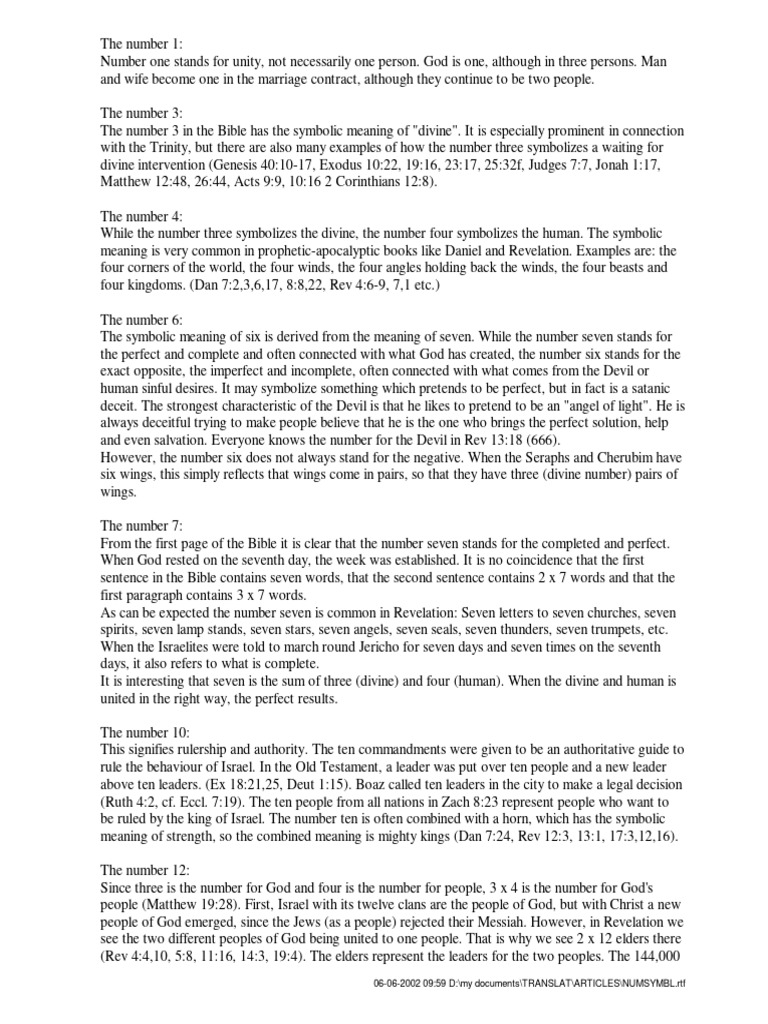
To begin with, the number 21 is a composite of the numbers 2 and 1. In biblical terms, the number 2 frequently represents division, witness, or double, while the number 1 symbolizes unity and singularity. Together, they form the essence of 21—a representation of the culmination of both factors, symbolizing a significant moment of divine judgment or fulfillment. This duality underlines the interconnectedness of God’s plans and the human condition.
One of the first notable appearances of the number 21 in the Bible comes from the Old Testament, particularly in the book of Exodus. Here, we encounter the significant event of the Exodus itself, which culminates in the Israelites wandering the desert for 40 years. This period is often deemed a time of testing and preparation, but it also sets the stage for the establishment of a new covenant and community. The connection to 21 can be seen as a reflection of the perseverance and faith required throughout this journey.
In addition to this historical context, the number 21 also shows up in other instances throughout the Bible. For example, the Book of Revelation presents a poignant association with this number. The final judgment is vividly depicted in Revelation 21, where the new heaven and new earth are prophesied. Verses describe a future in which God dwells among His people, erasing all sorrow and pain. This radical transformation epitomizes completeness, and the promise of comfort and joy suggests that 21 is fundamentally about divine assurance.
Furthermore, when exploring the significance of numbers in scripture, one cannot overlook their numerological interpretations. The number 21 can also be distilled into the single digit 3, by adding 2 and 1 together. The number 3 holds substantial importance in biblical texts, often symbolizing the Holy Trinity—Father, Son, and Holy Spirit. This suggests a divine interaction or a vibrant connection to the Godhead, reinforcing the notion of 21 as a number of divine completeness and wholeness, embodying God’s plan for humanity.
Divine Favor and New Beginnings
The number 21 further intertwines with the concept of divine favor. In biblical history, many pivotal figures receive their calling or experience significant events at specific numerical milestones. Consider, for instance, the prophetic visions and revelations experienced by Ezekiel and the visions in Revelation. The resolutions of these divine encounters often align with important numeric themes, underscoring the belief that God selects certain numbers to impart specific messages.
A compelling exploration of 21 can also be seen through the lens of significant biblical events. It is interesting to note that the Israelites received the Ten Commandments on the 21st day of the month—an occasion marking the intersection of divine law and human obedience. This event not only signifies God establishing a covenant but also highlights the struggle of following divine commandments. The juxtaposition of law and grace is thus a testament to the eternal challenge faced by believers.
Judgment and Discipline
Moreover, the number 21 is frequently linked to themes of judgment and discipline throughout scripture. In the context of the Israelites, their 21 years of unfaithfulness became a precursor to God’s judgment, underscoring the cyclical pattern of human rebellion against divine authority. Time and again, the scriptures reveal the consequences of straying away from God, often using numbers to connotate the depth of this discipline.
In the New Testament, this theme of judgment is echoed in Christ’s teachings. The parables, frequently laced with numerical symbolism, illustrate the consequences of poor stewardship and the dire need for repentance. The harsh realities depicted in these stories challenge readers to reflect on the personal dimensions of faithfulness. In this way, the number 21 acts as a poignant reminder of accountability before God.
A Call to Spiritual Reflection
In essence, exploring the significance of the number 21 offers an insightful reflection on the broader themes woven throughout the biblical narratives. Whether emphasizing divine favor, judgment, or new beginnings, each association invites contemplation on our spiritual journey. These numerological musings encourage believers to delve deeper into the teachings of scripture, seeking to uncover the layers of meaning embedded within its pages. Could it be that the number 21, like so many other symbols, serves as an invitation to examine our own faith and ask ourselves: are we living in alignment with divine purpose?
Ultimately, the study of biblical numbers is not merely an academic endeavor; it is a call to engage with the profound mysteries of faith. The number 21 holds a myriad of meanings—from highlighting the interplay of judgment and grace to exemplifying God’s promise of restoration. As you ponder the implications of this number within your own spiritual framework, consider the playful question it poses: how can this understanding of 21 reshape your personal faith journey? The exploration of God’s word is a dynamic experience, demanding both reflection and action. Embrace this journey wholeheartedly; therein lies the essence of divine truth.












