
The number eight occupies a fascinating and symbolic position within the biblical narrative, encapsulating potent themes and transformative concepts. Often associated with new beginnings, the significance of this number can be seen in various scriptural contexts, which evoke a sense of renewal, resurrection, and divine intervention. But what exactly does the number eight mean biblically? Are you ready to explore this captivating subject and perhaps challenge your perspectives on beginnings and the divine order?
To embark on this journey, it is essential to understand that the Bible is replete with numerology, where numbers carry substantial meanings beyond their quantitative value. The symbolism of eight resonates through its associations with significant events and divine teachings. One might pose the question: how can one number encapsulate so much meaning? This inquiry will lead us to various scriptural references and theological interpretations that elucidate the essence of the number eight.
Firstly, the most straightforward biblical representation of eight as a symbol of new beginnings can be traced to the account of creation. In Genesis, God created the world in six days, rested on the seventh, and the eighth day signified the start of a new week—a new era. Here, eight implies a continuation of time, suggesting the eternal nature of God’s creation and the beginnings that follow rest and completion.
Moreover, the concept can be further illustrated through pivotal events and figures in biblical history. Consider Noah, who, after the flood, disembarked from the Ark with his family. The narrative indicates that eight souls were saved through the waters (1 Peter 3:20). This incident represents not only a literal new beginning for humanity post-diluvian but also underscores the grace and promise of new life divine intervention can evoke. One might ponder: in what ways have we experienced our own ‘floods’ that required a fresh start? Could it be that life’s tumultuous events are merely precursors to a divine reset?
In addition to the story of Noah, the biblical narrative is rich with other instances where the number eight signifies renewal. For instance, the act of circumcision, which was commanded by God as a sign of the covenant, was performed on the eighth day after a male child’s birth (Genesis 17:12). This ritual not only represents physical purity and belonging to God’s chosen people but also symbolizes a rebirth into a new identity, one imbued with divine purpose and potential. Thus, this practice accentuates the dynamic relationship between the covenant community and the divine, challenging us to consider what it means to be part of something greater than ourselves.
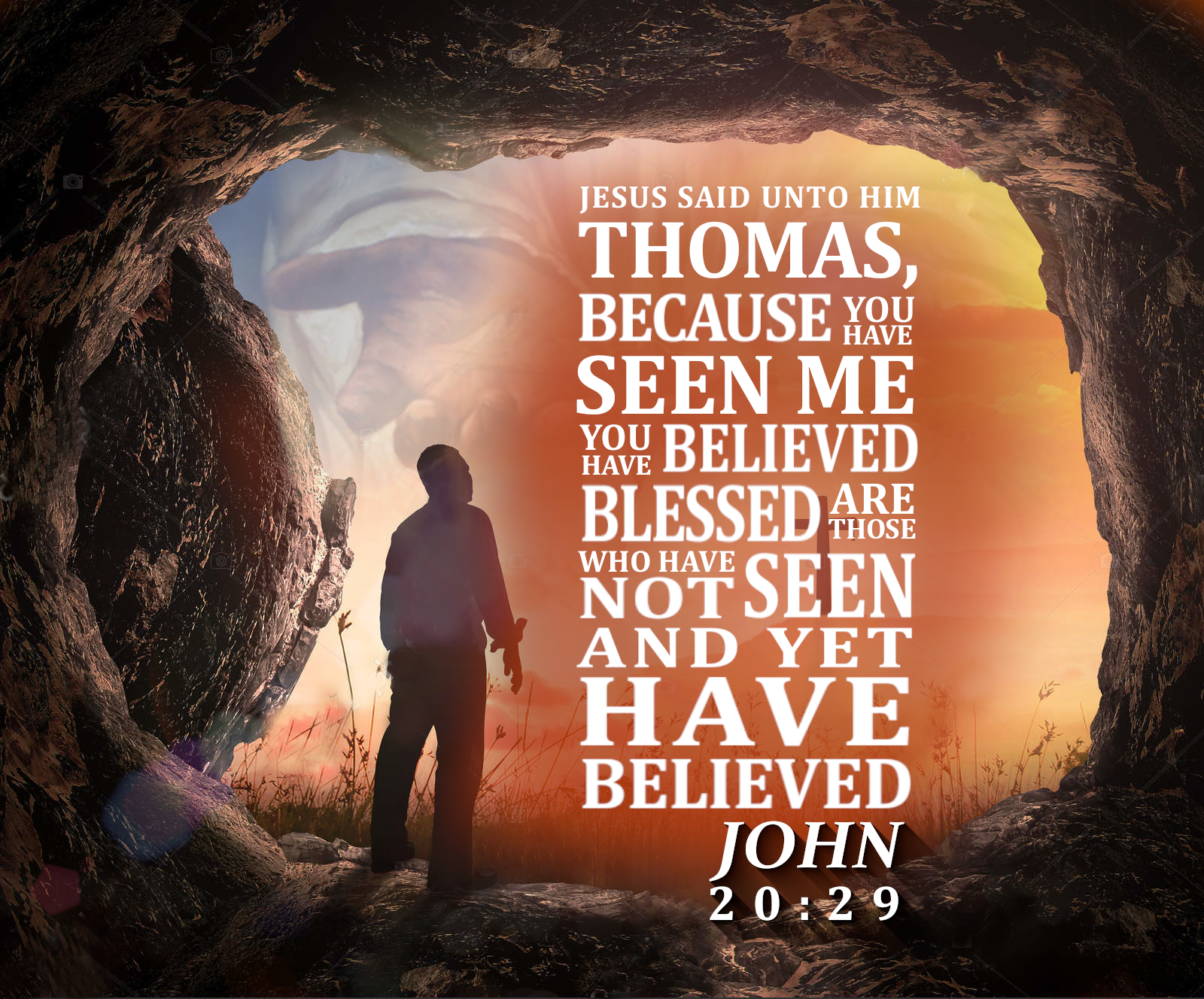
The number eight also manifests in the realm of resurrection—an ultimate new beginning. In the Gospels, Jesus rose on the first day after the Sabbath, which can be interpreted as the eighth day in the context of the Jewish week. His resurrection marked the triumph over death and the dawn of a new covenant, providing hope and eternal life to believers. Think about how often individuals grapple with the concept of mortality and how they confront their own ‘deaths’—whether they be relationships, careers, or ideals. Does this resonate with you? The resurrection narrative encourages us to embrace transformative moments, suggesting that every end may indeed be an invitation to a new beginning.
In Christian theology, the importance of the eighth day further extends to eschatological perspectives, particularly the belief in a new heaven and new earth as described in Revelation 21:1. This prophetic declaration embodies the ultimate promise of renewal and restoration, leading believers to anticipate a future beyond current struggles. The symbolism of the eighth day becomes an embodiment of divine hope and assurance that, irrespective of present circumstances, there exists the potential for new life and fresh starts.
By delving into these examples, it becomes evident that the number eight transcends mere numerical value; it encapsulates themes of hope, continuity, and divine timing. It serves as a reminder of the cyclical nature of life and the inherent opportunities for rebirth and renewed purpose. Engaging with this symbolism poses an interesting challenge: how can you align your life with the hope inherent in the number eight? Are you ready to identify the ‘eighth days’ in your life, the moments that call you to step into new beginnings?
As we navigate the complexities of our existence, the biblical significance of eight invites reflection on personal renewal. It challenges individuals to contemplate their circumstances and the potential for transformation hidden within. Consider your own narrative: where have you felt an end, and how could that lead to a fresh start, a renewed vision, or a redefined purpose? Recognizing these moments can empower you to embrace change and actively seek the divine in the unfolding chapters of your life.
In conclusion, the number eight in the Bible is a multifaceted symbol that speaks to new beginnings, renewal, and divine grace. Its recurring presence throughout scripture reinforces themes of hope and transformation. As you immerse yourself in the rich tapestry of biblical stories, may you find encouragement to seize the opportunities that lie ahead and embark on your eighth days with enthusiasm and faith. Will you accept the challenge to recognize the new beginnings awaiting you?












