
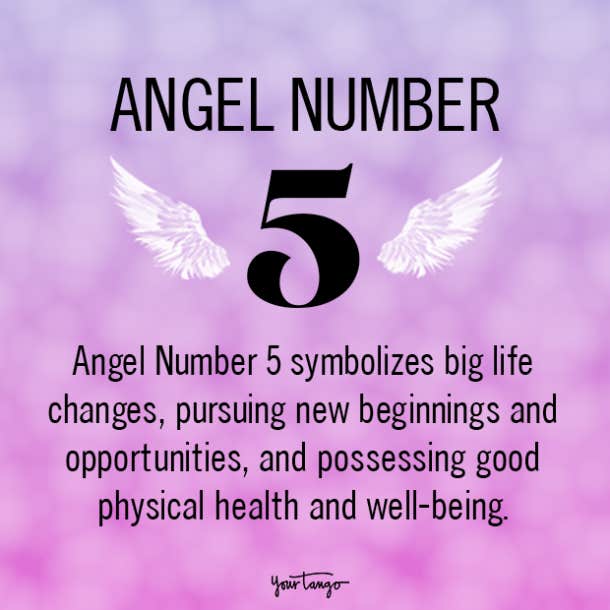
The number five in biblical literature resonates with a unique blend of symbolism, often conjoining themes of grace, balance, and divine purpose. Across various scriptures, this numeral acts as a thread weaving through the tapestry of God’s narrative with humanity, embodying distinct meanings that extend beyond the mere arithmetic. Let us embark on a journey through the scriptural significances of the number five, uncovering its impact and relevance in both historical and contemporary contexts.
To begin with, five is often associated with grace—a reflection of the unmerited favor bestowed by the divine upon humanity. In the book of Ephesians, the grace of God is profoundly characterized as a gift, one that encapsulates the quintessence of salvation. The Apostle Paul writes extensively about grace, highlighting how it manifests through faith and operates as a pivotal mechanism for redemption. This literary motif invites us to ponder our own spiritual experiences, recognizing that grace serves as a vital link, uniting us with the divine and empowering our journey towards spiritual enlightenment.
In addition to its connection to grace, the number five symbolizes the divine covenant—specifically the covenant established with the nation of Israel. With the quintet of books known as the Pentateuch, comprising Genesis through Deuteronomy, this foundation reveals God’s expectations and promises to His people. Each of these texts illuminates key narratives and laws that establish the Israelites not only as a chosen people but as bearers of a magnificent legacy. It is through this covenantal lens that we see the number five as emblematic of divine fidelity, illustrating God’s relentless pursuit of a relationship with humanity, regardless of transgressions or challenges faced by His followers.
Moreover, the number five frequently appears in the context of divine order and structure. It is not mere coincidence that the Tabernacle, a significant structure in the wilderness, is designed with five different parts: the courtyard, the Holy Place, the Holy of Holies, the altar, and the laver. This architectural blueprint conveys a deeper understanding of God’s holiness, signifying both separation and accessibility. The compartmentalization represents an invitation for believers to approach the sacred with reverence, underscoring the idea that within God’s presence lies profound majesty governed by His ordinances.
Transitioning to the realm of human experience, we encounter the five stones selected by David, which he chose to face Goliath. This act transcends mere physical confrontation, depicting the concept of faith in action. David’s choice serves as a poignant reminder of the transformative power that courage, bolstered by divine will, can have against seemingly insurmountable odds. In this biblical narrative, five stones evolve into symbols of triumph, emphasizing that faith, coupled with calculated preparation, can expedite victory against adversarial forces. This resonates deeply in moments of personal challenge, urging individuals to wield their own ‘stones’—resources, skills, and faith—against the giants they may encounter.
Additionally, five embodies wholeness, encapsulated in the five loaves and two fish that Jesus utilized to feed the multitude in the New Testament. The miraculous multiplication of these ordinary items serves as a profound experiment in sharing and abundance, suggesting that even the most meager offerings, when surrendered to divine intention, can yield bountiful outcomes. This imagery encourages us to reflect on our resourcefulness, inviting us to consider how our little acts of kindness can indeed transform lives in remarkable ways.
A fascinating aspect of the number five is its manifestation in personal identity and wholeness, particularly through human anatomy. Humans are often depicted as the culmination of five distinct senses—sight, hearing, taste, touch, and smell—each contributing to our experience of the world and our interactions within it. Through this lens, five acquires a deeper existential meaning, highlighting how the divine intricately wove together the fabric of human experience. By nurturing our senses, we engage in a holistic approach to spirituality, allowing our encounters with the world to magnify our awareness of the divine presence at work.
As we delve deeper into the number five in the biblical context, we recognize its multifaceted nature. It serves as a bridge connecting the sacred to the profane, illustrating how the divine can intervene in the mundane. Each biblical instance invites believers to recognize the presence of God within their personal journeys, reinforcing the notion that every experience, no matter how seemingly trivial, can be imbued with significance and purpose.
Furthermore, the number five permeates spiritual practices, particularly in the realm of prayer. When believers engage in intercessory prayer, they often utilize structured formats, sometimes reflecting on five key areas of need: personal, familial, community, national, and global. This structured approach to prayer serves as a reminder of the broader world, encouraging a balance between inward reflection and outward compassion. Through prayer, individuals are invited to participate in something larger than themselves, aligning their hearts with God’s purpose for humanity—a powerful interplay delineated through the quintessence of five.
In conclusion, the number five within the biblical framework resonates with profound meanings that transcend boundaries of time and circumstance. It serves as a powerful emblem of grace, covenant, divine order, and holistic existence. Through the exploration of its various implications, we are urged to engage more deeply with our faith and our world, recognizing that each of us, in our own way, can embody the quintessence of purpose and meaning rooted in our creator. Ultimately, the number five is not merely a numeral; it is an invitation to amplify our awareness of the divine pulse that courses through the universe, urging us to take action and nurture the lives around us. Whether as agents of grace or stewards of resilience, the call is clear—embrace the journey, for within it lies the fullness of five.












