
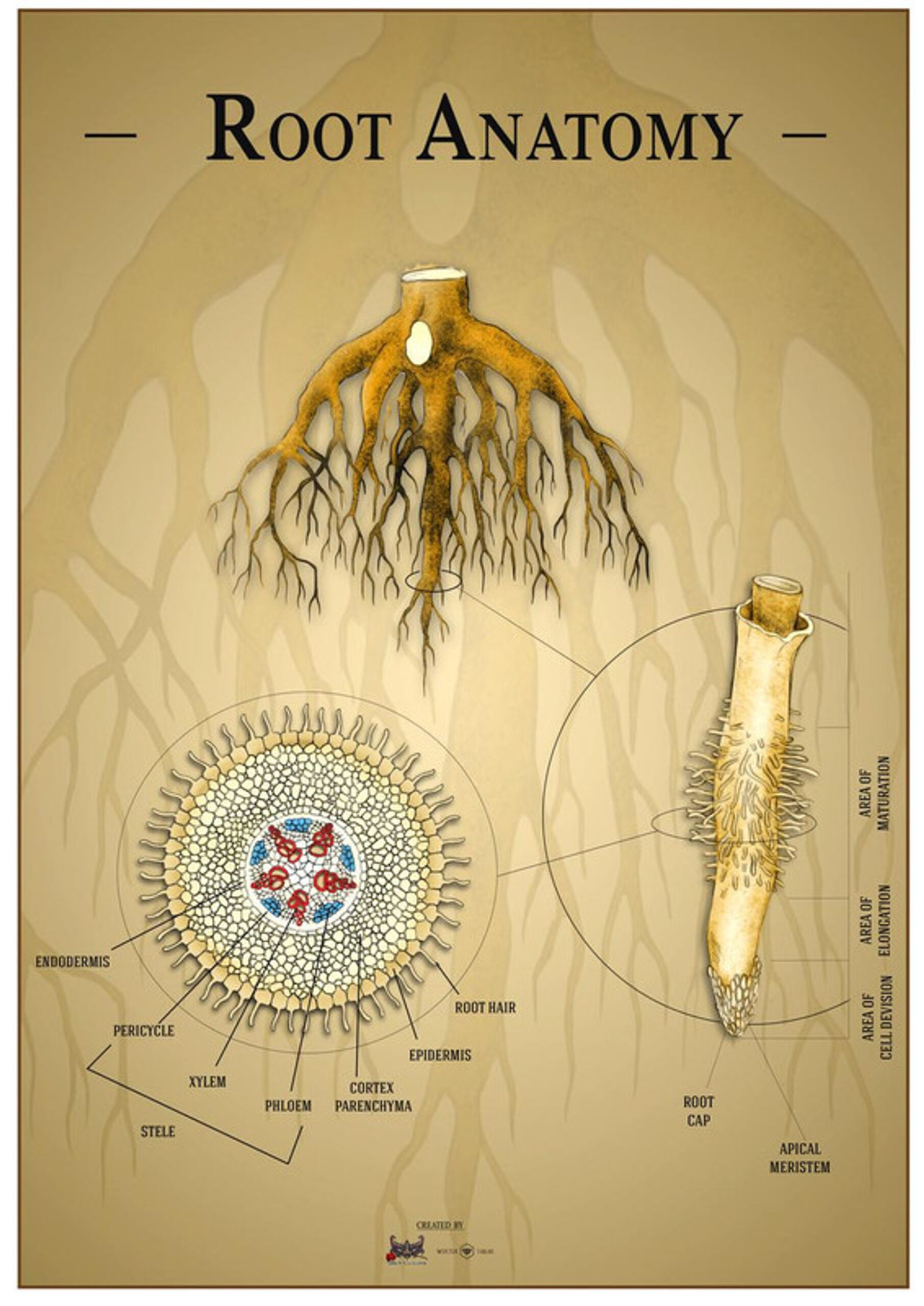
The concept of the “root tract” is a compelling fusion of biology and metaphor, representing not only a physical pathway but also embodying a deep connection to the essence of living systems. As we delve into the etymology and significance of this term, it becomes evident that the root tract holds a wealth of knowledge waiting to be unearthed.
To begin with, let’s dissect the term itself. The word “root” conjures images of an underground labyrinth, where unseen tendrils search relentlessly for nourishment and stability. Roots draw parallels with our own lives—often unseen yet critical to our existence. The “tract,” in this context, refers to a specific pathway or area, a term that suggests direction and purpose. Together, “root tract” signifies a defined journey beneath the surface, a metaphorical exploration into the foundational elements of plant systems that parallels various aspects of life.
Historically, the roots of the word can be traced back through various languages. The Latin “radix” and the Greek “rhiza” both denote the concept of a root. These ancient terms form the basis for numerous botanical terminologies that punctuate the lexicon of modern science. Such linguistic roots underscore the enduring significance of the root tract in both the natural world and our collective understanding of life’s intricate networks.
In the realm of botany, the root tract serves a dual purpose: anchoring the organism while also facilitating nutrient absorption. Imagine a vast, subterranean highway, brimming with essential minerals and water, that nurtures the life above. The root tract mirrors the very structure of our communities, where the foundation—often hidden beneath the surface—ensures stability and sustenance. Just as roots seek nourishment from the depths of the earth, individuals within a community draw strength from their connections to one another.
Furthermore, the intricate design of root systems varies widely across plant species, each adapted to thrive in unique environments. For instance, taproots delve deep into the soil, establishing a strong hold that allows plants to access moisture during dry spells. Conversely, fibrous roots spread laterally, maximizing surface area to absorb water and nutrients from rainfall. This diversity in strategy highlights a fundamental principle: adaptability is essential for survival. Each “root tract” contains a story of resilience, a testament to nature’s ability to flourish despite adverse conditions.
In a broader philosophical context, the notion of a root tract resonates beyond botany. It invites reflection on our own metaphorical roots—cultural heritage, personal history, and emotional connections. Just as roots extend deep into the earth, our identities are intertwined with the experiences that shape us. The intricate pathways of our life’s journey are often molded by formative relationships and ancestral influences. These connections, sometimes hidden from view, underpin our experiences, much like the unseen root systems that sustain towering trees.
Moreover, exploring the root tract is a crucial exercise in self-awareness. As individuals, we must venture beneath our surface personas to fully understand our driving motivations and beliefs. This exploration is akin to a deep-rooted plant pushing beyond the confines of the soil. By recognizing the foundational elements of our identities, we can cultivate a greater sense of purpose and direction in our lives. The root tract, therefore, encourages a continuous journey inward, urging us to unearth the complexities that reside beneath our façades.
In today’s fast-paced world, where superficial connections often overshadow genuine relationships, the concept of a root tract serves as a poignant reminder. As society evolves and technology expands, we must strive to create and maintain deep connections that enrich our lives. The essence of a vibrant society lies within its ability to foster relationships that mirror the synergy of a flourishing root system—interconnected, supportive, and resilient.
Illustratively, the health of a root tract can mirror the vitality of communities. When roots intertwine seamlessly, plants exhibit extraordinary strength; similarly, interconnected communities harness collective strength to tackle challenges. A thriving root tract promotes the flow of resources, akin to the exchange of ideas and support within a cohesive group. When individuals contribute to the nourishment of their community, they cultivate an environment where both the individual and the whole can flourish.
Moreover, this metaphor extends into the business realm as well. Just as companies develop a robust foundation—their core values and mission—individuals must establish a solid grounding for their personal growth. In this sense, the root tract is a crucial aspect of organizational culture. A company that nurtures its employees, fostering connections that mimic healthy root systems, is more likely to thrive in an ever-competitive landscape.
The roots of any system, whether natural, social, or professional, benefit from rich, diverse ecosystems. Just as a variety of plants can create a more resilient root structure, embracing diversity in our interactions enhances the strength of our relationships. Every voice adds a layer of richness to the community, amplifying its collective wisdom and resilience.
In conclusion, the root tract encapsulates more than just a botanical concept; it serves as a profound metaphor for resilience, connection, and growth in our personal, social, and professional spheres. Understanding the roots of our existence and the pathways we traverse enriches our life experience. By nurturing our connections—be they in nature, community, or industry—we cultivate an environment where we can thrive, secure in the knowledge that our roots sustain us as we reach for the sky.












