
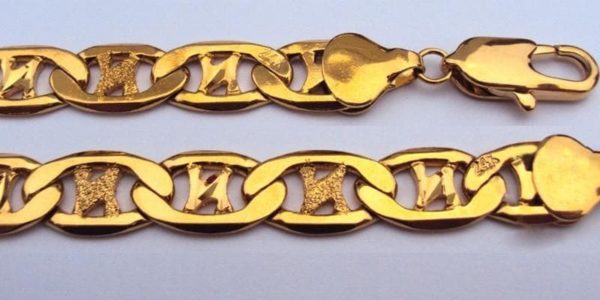
Gold jewelry, cherished for its beauty and intrinsic value, often bears stamps that provide essential information about its purity and composition. Among these markings, “750” is frequently encountered, particularly in pieces of 18-karat gold. This article delves into the significance of the “750” stamp and examines various gold markings to enhance your understanding of fine jewelry.
Understanding gold purity requires a basic grasp of the karat system, which denotes the proportion of gold in relation to other metals. Pure gold, also known as 24-karat gold, is regarded as the highest quality gold available. However, pure gold is relatively soft and malleable, which makes it less practical for the fabrication of everyday jewelry. Consequently, gold is alloyed with metals such as silver, copper, or palladium to enhance its strength and durability.
The “750” stamp specifically indicates that the piece contains 750 parts of pure gold out of a total of 1,000 parts. This equates to 18 karats, a standard that signifies a considerably high purity level without compromising the material’s integrity for wearable items. The presence of “750” on your jewelry assures you that roughly 75% of the piece consists of gold, a quality sought after by discerning buyers.
Gold jewelry can be categorized based on its karatage, leading us to understand other popular gold markings, such as “585” and “417.” The “585” mark indicates 14-karat gold, comprising 58.5% pure gold. This variation is popular in pieces that necessitate a balance between richness in color and durability, making it ideal for everyday wear. On the other hand, “417” translates to 10-karat gold, with 41.7% gold content, offering a more affordable option while still retaining some of gold’s desirable qualities.
To deepen your comprehension of these markings, it is crucial to note that gold quality can also vary by geographical region. For instance, European countries adhere to slightly different standards than those typically found in the United States. Therefore, jewelry stamped with “750” may have additional markings indicating the country of origin, such as the “Au” symbol representing gold in chemical terms, alongside hallmarks from local assay offices that certify purity.
In addition to purity, gold jewelry is often adorned with various additional elements. You might encounter pieces featuring gemstones, intricate designs, or enamel. These embellishments add to the overall allure of jewelry, but it’s essential to ensure that they do not mask the quality of the gold itself. For instance, a magnificent ring set with diamonds might still carry a “750” marking, ensuring the integrity of the gold is not compromised despite the elaborate design.
Moreover, the maintenance of gold jewelry is crucial to preserving its luster and extending its lifespan. Suitable care includes regular cleaning with a soft cloth and avoiding exposure to harsh chemicals or abrasive materials. When stored, keeping gold pieces separate from one another prevents scratches and damage. Given jewelry’s intrinsic and sentimental value, these nuggets of wisdom help protect your investment in gold.
While purchasing gold jewelry, buyers are encouraged to verify authenticity. Inspecting for gold markings such as “750” should be your initial step, accompanied by checking for reputable retailers or jewelry appraisers. Understanding the hallmarks and stamps can provide peace of mind, ensuring you acquire quality pieces rather than imitation—especially in an age where counterfeit items can proliferate. This diligence is especially important in marketplaces where prices may appear enticingly low.
Beyond the economics of gold purity, astrology enthusiasts might be fascinated by the symbolism attached to gold jewelry. Its radiant hues and historical ties to luxury elevate it to a status emblematic of power and wealth. Gold has adorned kings and queens for millennia, and even in contemporary society, gold jewelry remains a popular choice for weddings, anniversaries, and other momentous occasions.
In conclusion, the stamp “750” signifies more than just an assurance of gold purity; it encapsulates a blend of artistry, tradition, and sophistication in jewelry-making. Understanding this marking allows consumers to make informed choices while navigating the diverse world of gold jewelry. Whether you opt for the opulence of 18-karat pieces, the balanced blend of 14-karat gold, or the affordability of 10-karat options, each stamp reflects an intricate story of craftsmanship, history, and value. Embrace this understanding as you explore the striking beauty of gold jewelry and the significance of its markings.












