
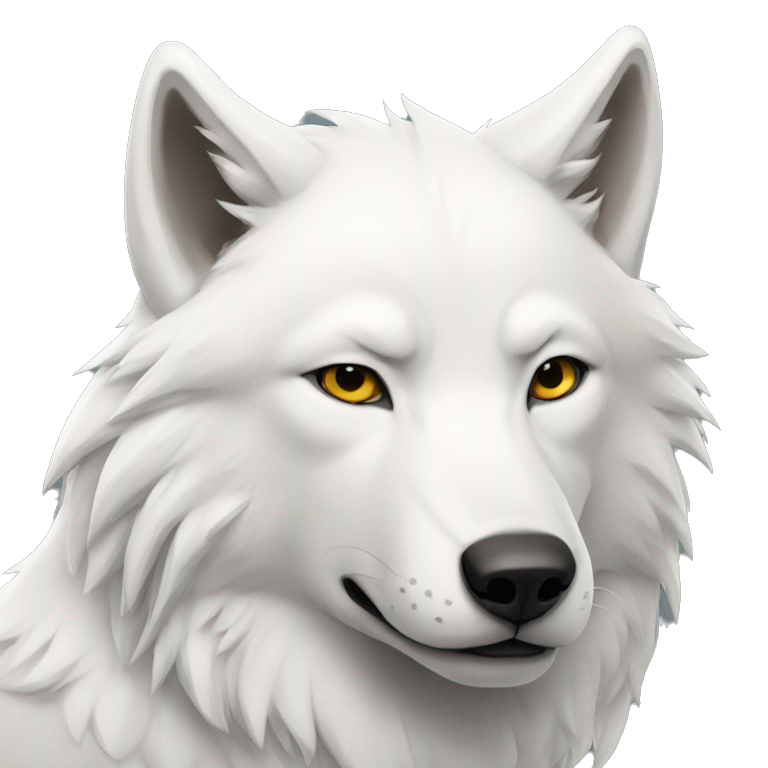
The wolf emoji, with its characteristics epitomizing both mystery and ferocity, has garnered significant traction in the realm of digital communication. While it may appear simple at first glance, its implications are multifaceted, especially when conveyed by a girl. To dissect the layers of meaning this emoji encompasses, one must navigate through the intricate corridors of emoji psychology, cultural connotations, and the personal nuances inherent in each interaction.
Symbolism of the Wolf
Wolves are often portrayed as majestic yet fearsome creatures that evoke a sense of wild independence and a close-knit family structure. To a girl, using the wolf emoji can symbolize a multitude of sentiment — ranging from strength and ferocity to loyalty and camaraderie. In many cultures, the wolf is revered as a totem of strength and is often associated with female empowerment, underscoring the innate power of femininity.
Combining the feral nature of the wolf with its communal instincts, the wolf emoji often encapsulates a nuanced message that could signify a girl’s desire to convey her fierce independence while simultaneously maintaining a connection with her tribe or circle of friends. Utilizing this symbol indicates that she acknowledges her internal strength yet appreciates the warmth of companionship, creating a compelling juxtaposition.
Contextual Usage
Understanding the specific circumstances in which the wolf emoji is employed widens the interpretative possibilities. It often emerges in conversations laced with themes of adventure, risk-taking, or when discussing personal growth. A girl might use this emoji to express her readiness to embrace change, much like a wolf venturing into the unknown wilderness.
Furthermore, when engaging in flirty banter, the incorporation of the wolf emoji can suggest a playful predatory instinct. It can embody allure and an enticing, captivating energy that beckons others to engage further. In these contexts, the wolf transcends its role as merely a wild animal; it becomes a metaphor for passion and ardor within the tapestry of relationships.
Emoji and Personal Identity
The usage of emojis has become a vital component of personal expression in digital communication. A girl’s choice to utilize the wolf emoji can reflect aspects of her identity or her emotional state at any given moment. It may signal her desire to be perceived as bold and vibrant. Alternatively, it could indicate an introspective journey, suggesting a transition from vulnerability to self-assuredness.
In a society where female autonomy is increasingly celebrated, employing the wolf emoji might serve as a conversation starter about personal empowerment and fierce determination. It could represent her introspective side, a facet of her personality that is often overlooked amid a cacophony of expectations.
Emotional Resonance
The wolf emoji often resonates with emotion, forging a connection that transcends the boundaries of ordinary communication. For a girl, sending this emoji may indicate an urge to evoke a sense of belonging or understanding among her peers. It carries an implication that she values communication that is rich in subtext; a nod to the complexities woven into relationships.
Moreover, for girls who have felt marginalized or unheard, the wolf emoji can become a symbol of reclamation. It embodies a call for recognition of their experiences and thoughts. This aspect is particularly poignant in discussions surrounding personal narratives, social justice, or shared experiences of empowerment and solidarity.
Cultural Reflections
Globally, wolves occupy a significant place in folklore, mythology, and cultures around the world. From Native American tribes that regard wolves as guardians of the land to contemporary stories where they are portrayed with an air of mystery, the cultural weight of the wolf continuously evolves. A girl employing the wolf emoji perhaps wishes to tap into this extensive cultural lexicon, signaling her affinity for the wilderness, nature, or a broader cultural narrative that reverberates powerfully with her personal ethos.
This cultural lens adds another layer of intrigue, as the emoji may symbolize resilience and adaptability — characteristics that can resonate deeply with girls navigating societal complexities. The wolf’s image becomes intertwined with messages of empowerment and the perpetual quest for understanding one’s identity amidst differing societal expectations.
Conclusion: Embracing the Wolf
Ultimately, the wolf emoji functions as a multifaceted emblem that communicates far more than mere entertainment. It encapsulates themes of independence, community, emotional depth, cultural resonance, and personal empowerment. For a girl, wielding this symbol may evoke a sense of fierce femininity and strength, inviting others to appreciate the complexity of her persona. As we delve deeper into emoji psychology, the wolf stands not just as an animal but as a reflection of one’s identity, desires, and emotional landscape — a powerful metaphor in a world increasingly dominated by digital interactions.
In the end, the true meaning of the wolf emoji from a girl lies within the beautiful interplay of context, culture, and individuality, showcasing the profound capabilities of a simple icon to convey rich emotions and nuanced expressions. So, the next time you encounter a wolf emoji, pause for a moment; it may well be a heartfelt whisper of a girl’s wild spirit, beckoning for recognition in a binary world.












