
When you embark on a journey down the open road, your vehicle acts as both chariot and confidant, ensuring your safety and comfort. However, as modern technology entwines with automotive engineering, it introduces a network of sensors designed to bolster our driving experience. One of the most critical elements in this intricate web is the Tire Pressure Monitoring System (TPMS). A fault in this system can signal various issues, each as vital as a compass guiding an uncharted vessel. Let’s delve deeper into what a tire sensor fault means and unravel the mysteries behind those enigmatic TPMS warnings.
In essence, the TPMS is our vehicle’s vigilant guardian, tirelessly monitoring the air pressure within each tire, akin to a diligent watchman stationed at a castle gate. This system ensures that your tires are neither overinflated—like a balloon on the verge of bursting—nor underinflated, which could lead to hazardous driving conditions. When a fault occurs, however, it can feel as disconcerting as hearing an unexpected knock at that castle gate.
The Heartbeat of TPMS: How It Works
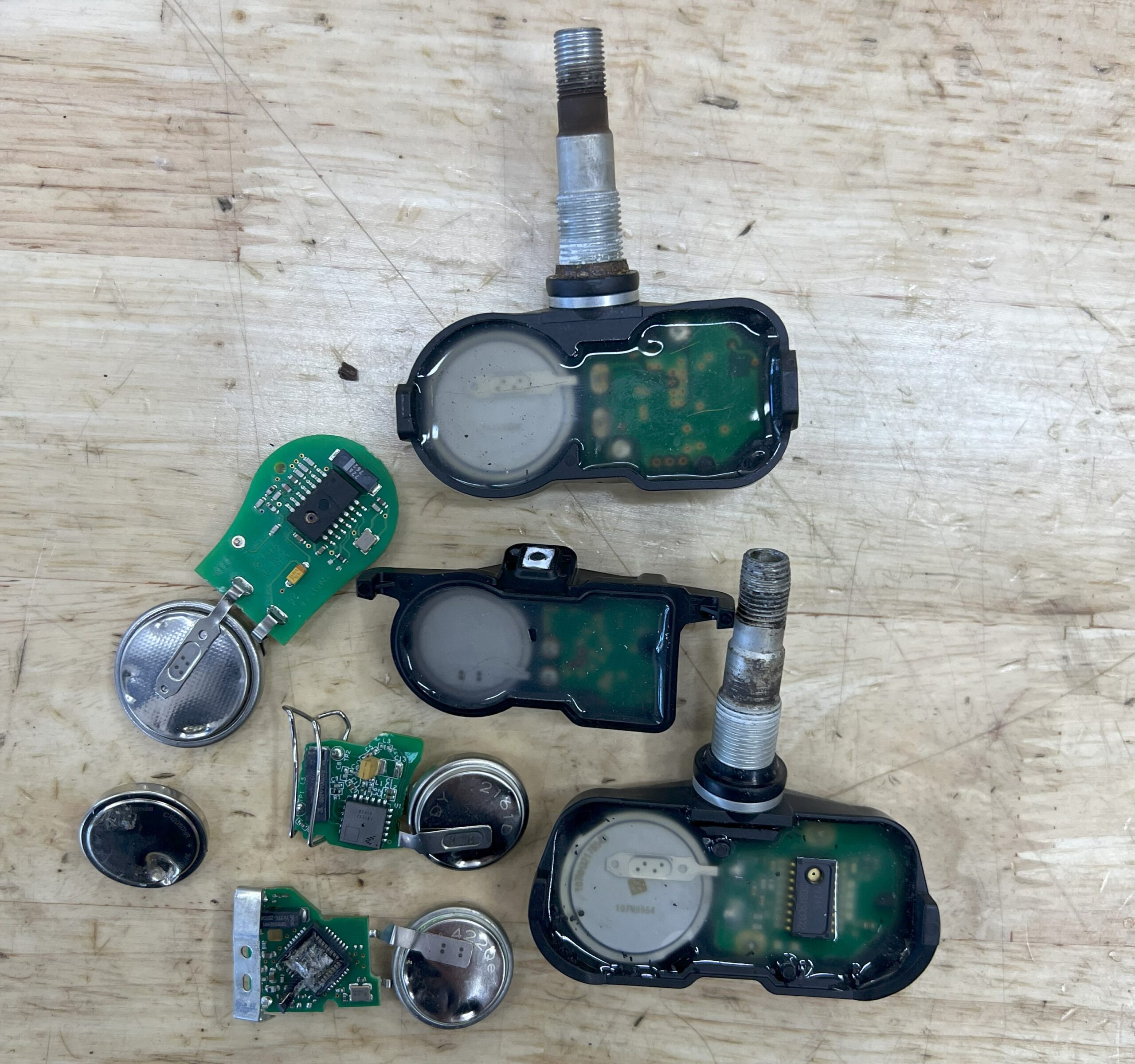
The TPMS operates through a sophisticated feedback mechanism that utilizes sensors installed within the tires. These sensors are the heartbeat of the system, continuously relaying real-time data to the vehicle’s onboard computer. In a sense, they act as digital barometers, measuring the pressure much like a weather vane indicates shifting winds. The system can be classified generally into two types: direct and indirect. Direct TPMS employs individual tire sensors to provide accurate pressure readings, while indirect TPMS estimates tire pressure based on wheel speed and other factors—akin to predicting the weather based on past patterns.
Understanding the Warning Signals
When everything is in harmony, the TPMS operates invisibly in the background, allowing drivers to focus on the road ahead. However, once an inconsistency arises—a drop in tire pressure or a sensor malfunction—an alert is triggered. This alert often manifests as an illuminated warning light on the dashboard, or even a message detailing which tire may be in distress. The sense of urgency can be likened to the sudden realization of a storm brewing on the horizon; it demands immediate attention.
Each warning is a message encoded with vital information. For instance, a tire pressure warning light generally signifies that one or more of your tires are underinflated, while a sensor fault alert indicates an issue with the sensor itself. Such nuances can be the difference between a smooth ride and a precarious predicament.
The Causes Behind a Tire Sensor Fault
Understanding the reasons behind a TPMS fault is essential to deciphering the cryptic messages relayed by your vehicle. Several factors can lead to sensor malfunctions, each with its own narrative:
- Battery Life: Sensors typically come equipped with batteries that have a finite lifespan, akin to candles burning down with time. When these batteries begin to falter, sensor data can become sporadic or cease altogether.
- Physical Damage: Tires endure substantial wear and tear during their lifespan. Punctures, curbs, and other road hazards may endanger the integrity of sensors, much like a shield can become dented in battle.
- Temperature Fluctuations: Environmental factors play a pivotal role. Extremes in temperature can cause tire pressure to fluctuate dramatically, possibly leading to a sensor alert as a cry for help.
- Improper Installation: A malfunction can also stem from less-than-ideal installation procedures. Whether during tire rotations or replacements, an incorrectly installed sensor might result in a faulty reading.
Immediate Actions to Take
Upon noticing a TPMS warning, the first step is not panic, but rather assessment. Here are the steps to take when faced with a sensor fault:
- Check Tire Pressure: Using a reliable tire pressure gauge, verify the pressure in each tire. Make it a habit, similar to daily rituals that keep our lives balanced.
- Inspect for Damage: Take a moment to visually inspect each tire for any noticeable signs of damage, such as cuts or punctures.
- Consult a Professional: If the warning persists despite taking initial steps, it is advisable to consult a trained technician. This is equivalent to seeking a skilled navigator in treacherous waters.
Preventive Measures for a Smooth Journey
Just as sailors learn to read the stars to avoid tempestuous seas, drivers can adopt preventive strategies to minimize the risk of tire sensor faults:
- Regular Maintenance: Schedule routine tire rotations and pressure checks to ensure peak performance, akin to maintaining the engine of a well-oiled machine.
- Sensor Updates: Stay informed about any recalls or updates related to your vehicle’s TPMS to keep it operating smoothly.
- Seasonal Checks: Adjust tire pressure with the seasons, as temperature changes have profound impacts on air pressure.
In conclusion, tire sensor faults can seem daunting at first glance, a puzzle waiting to be solved. Yet, with the knowledge of what these alerts mean, the causes behind them, and the measures to take, drivers can regain their sense of confidence and control. So, the next time your dashboard warns of an impending crisis, remember that knowledge transforms uncertainty into assurance, much like a lighthouse guiding a ship to safe harbor in a stormy night.












