
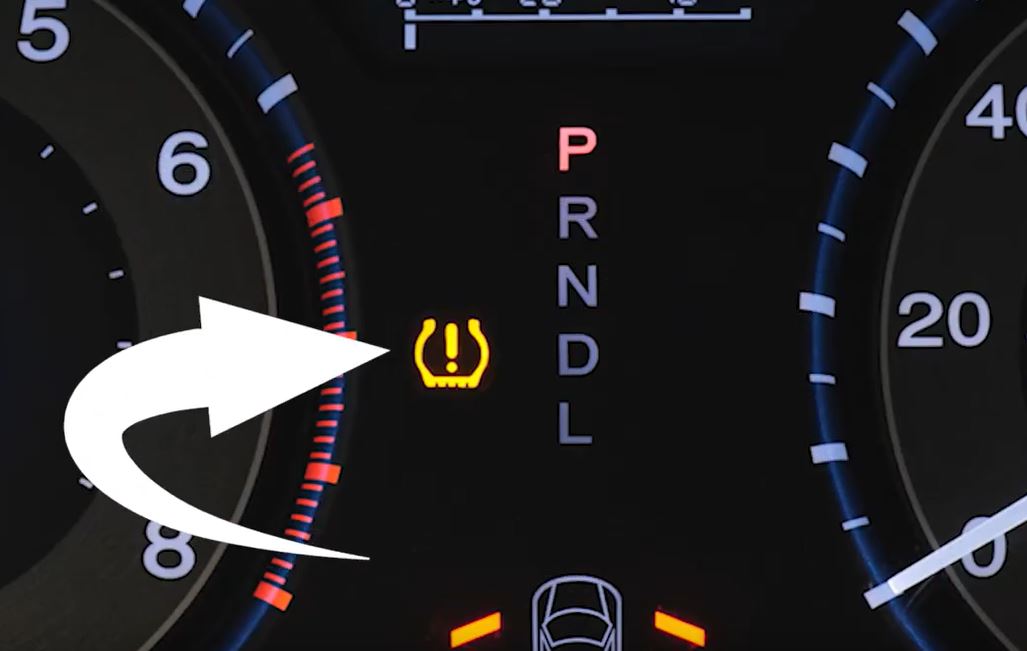
Understanding the intricacies of automotive technology can often feel overwhelming, especially when it comes to the myriad of systems designed to ensure safety and efficiency. One such system is the Tire Pressure Monitoring System, commonly referred to as TPMS. This sophisticated technology plays a pivotal role in the overall performance of a vehicle and, more importantly, in the safety of its occupants. In this article, we will delve into what TPMS means in a car, exploring its functions, benefits, and the significance of tire pressure alerts.
What is TPMS?
TPMS is an acronym for Tire Pressure Monitoring System. It is a safety feature integrated into modern vehicles, designed to monitor the air pressure in the tires. By providing real-time alerts to the driver, TPMS helps prevent potential tire-related issues that can compromise vehicle safety. Essentially, TPMS serves as an early warning system, capable of detecting when tire pressure falls below the recommended levels.
Types of TPMS
There are two principal types of TPMS: direct and indirect. Understanding the distinctions between them is crucial for any car owner.
1. Direct TPMS: This system utilizes pressure sensors mounted within each tire. These sensors continuously monitor tire pressure and report the data to the vehicle’s onboard computer. If tire pressure drops below a certain threshold, an alert is sent to the driver, typically illuminating a warning light on the dashboard. Direct TPMS is renowned for its accuracy, as it provides real-time measurements.
2. Indirect TPMS: Unlike its direct counterpart, indirect TPMS does not use pressure sensors. Instead, it relies on the vehicle’s Anti-lock Brake System (ABS) to determine tire pressure. It calculates differences in the rotational speed of the tires, which can indicate under-inflation. While this system is more cost-effective, it is less precise, as it does not provide actual tire pressure readings. Instead, it infers pressure based on the analysis of tire performance.
The Importance of Tire Pressure
Tire pressure is a critical aspect of vehicle safety and performance. Properly inflated tires ensure optimal contact with the road, enhancing traction and handling. When tire pressure is too low or too high, it can lead to various problems, including:
- Increased Tire Wear: Under-inflated tires wear more quickly on the edges, while over-inflated tires wear down in the center. This uneven wear can necessitate premature tire replacements.
- Reduced Fuel Efficiency: Poor tire pressure can lead to increased rolling resistance, causing the engine to work harder and consequently consuming more fuel.
- Compromised Safety: Insufficient tire pressure can hinder braking performance and increase the likelihood of tire blowouts, which pose severe risks to driver safety.
How Does TPMS Work?
The workings of TPMS, especially the direct system, are quite fascinating. Each tire features a sensor that collects information about the tire’s pressure and sends it wirelessly to the vehicle’s central computer system. If there’s a discrepancy in pressure, the system triggers a visual alert on the dashboard, usually in the form of a wrench or exclamation icon, signaling the driver to check their tire pressure.
In contrast, indirect TPMS utilizes vehicle dynamics. If the system detects that one tire is rotating at a different speed than the others—which could indicate under-inflation—it activates a warning light without providing specific pressure readings. While simple, this method lacks the precision of direct TPMS.
The Benefits of TPMS
TPMS provides a myriad of advantages, underscoring its importance in modern vehicles:
- Enhanced Safety: By alerting drivers to low tire pressure, TPMS reduces the risk of accidents caused by tire blowouts or loss of control.
- Increased Longevity of Tires: Maintaining the correct tire pressure can extend the lifespan of tires, saving money in the long run.
- Improved Fuel Efficiency: Properly inflated tires contribute to better gas mileage, benefiting both the driver’s wallet and the environment.
- Convenience: Without TPMS, drivers must manually check their tire pressure regularly. The system automates this aspect, prompting attention only when necessary.
Common Misconceptions about TPMS
Despite its benefits, several misconceptions surround TPMS that warrant clarification. One common belief is that TPMS eliminates the need for regular tire maintenance. In reality, while TPMS aids in monitoring tire pressure, it does not replace the need for routine checks and maintenance. Additionally, some drivers mistakenly assume that once they receive a TPMS alert, they can ignore it until their next service appointment. This can lead to potential hazards on the road.
Conclusion
In summary, the Tire Pressure Monitoring System is more than just a convenient feature; it is an essential component of vehicle safety and performance. By understanding how TPMS operates, its benefits, and the implications of tire pressure, drivers can cultivate a deeper appreciation for this technology. Ultimately, remaining vigilant about tire pressure is a small yet significant investment in both vehicle longevity and, more importantly, occupant safety. As automotive technology continues to evolve, systems such as TPMS remind us of the importance of proactive car maintenance and the fascinating mechanisms at work beneath our feet as we hit the road.












