
Tire Pressure Monitoring Systems, commonly referred to as TPMS, are integral components in contemporary vehicles, designed primarily to ensure optimal tire performance and safeguard driver safety. Understanding TPMS is crucial for anyone who operates a vehicle, as it plays a significant role in gauging tire pressure, which directly affects fuel efficiency, tire longevity, and overall vehicular handling. This article delves into the meaning of TPMS in cars, the different types, how tire pressure alerts function, and their significance in automotive maintenance.
1. The Essence of TPMS
At its core, TPMS is a sophisticated electronic system embedded within a vehicle’s framework, crafted to monitor tire pressure levels in real-time. When tire pressure deviates from the recommended parameters, the system promptly alerts the driver, typically through a dashboard warning light. Maintaining proper tire pressure is quintessential; under-inflated tires can lead to increased wear, reduced fuel economy, and heightened risk of tire blowouts.
2. Types of TPMS
There are two predominant types of Tire Pressure Monitoring Systems: direct and indirect. Understanding the distinction between these two is essential for grasping how TPMS operates.
- Direct TPMS: This system utilizes pressure sensors located directly within each tire. These sensors continuously measure the tire’s air pressure and transmit the data to the vehicle’s onboard computer. If the pressure falls below a preset level, the system triggers an alert to notify the driver. Direct TPMS usually provides more accurate measurements and can offer real-time data, allowing for immediate corrective actions.
- Indirect TPMS: In contrast, indirect systems do not rely on sensors within the tires. Instead, they utilize the vehicle’s antilock braking system (ABS) to monitor wheel speed. If a tire is under-inflated, it will rotate at a different speed compared to properly inflated tires, triggering an alert. While indirect TPMS is generally less precise than its direct counterpart, it serves as a lighter, less expensive option.
3. How TPMS Functions
Understanding how TPMS functions is crucial for appreciating its significance in automotive safety. When the vehicle starts, the TPMS conducts a self-check to ensure all sensor readings are functioning correctly. If the system detects a tire with insufficient air pressure, it activates the warning light on the dashboard.
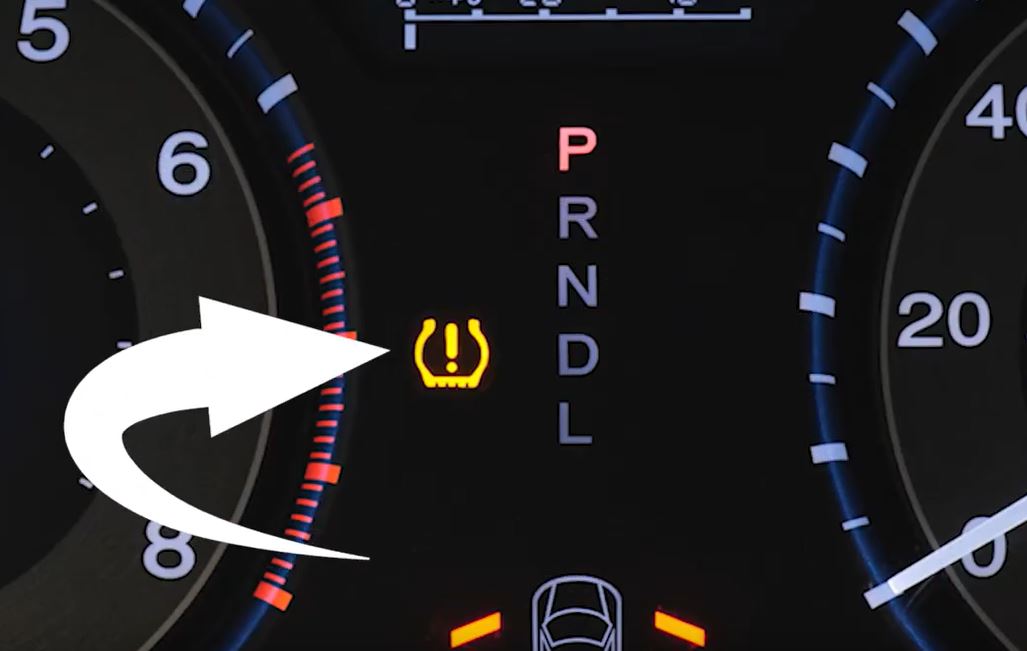
This warning light typically resembles a horseshoe shape with an exclamation mark in the center, serving as a visual cue for the driver to address the issue. Depending on the make and model of the vehicle, some systems also provide specific tire pressure readings and can indicate which tire is problematic.
4. Significance of Tire Pressure Alerts
The importance of tire pressure alerts cannot be overstated. Proper tire inflation contributes not only to safety but also to the vehicle’s overall performance. Here are several crucial reasons why monitoring tire pressure is vital:
- Enhanced Safety: Under-inflated tires can lead to decreased vehicle handling, increased stopping distances, and even tire blowouts. By promptly alerting drivers of low tire pressure, TPMS significantly enhances road safety.
- Fuel Efficiency: Tires with inadequate pressure create additional rolling resistance, which leads to increased fuel consumption. Maintaining correct tire pressure as indicated by TPMS can improve fuel efficiency by up to 3%, yielding cost savings and environmental benefits.
- Tire Longevity: Consistent monitoring through TPMS can prolong the lifespan of tires. Proper inflation minimizes uneven tire wear, ensuring that tires last longer before needing replacement, saving money in the long-run.
- Optimized Performance: Adequate tire pressure contributes to better acceleration, cornering, and braking. It ensures that the vehicle performs optimally under various driving conditions.
5. Maintenance and TPMS
While TPMS serves as a valuable tool for maintaining tire safety, it is essential to remember that it does not replace regular tire maintenance. Drivers must remain proactive in ensuring their tires are properly inflated. Here are essential maintenance practices:
- Regularly Check Tire Pressure: It is recommended to check tire pressure at least once a month, even when TPMS is functioning correctly. This can help detect gradual air leaks that the system may not immediately reveal.
- Routine Tire Inspections: Inspect tires for signs of wear, damage, or punctures. Such issues can lead to pressure loss and should be addressed promptly.
- TPMS Battery Replacement: Direct TPMS sensors rely on batteries that can deplete over time. Routine checks to ensure sensor functionality will help in avoiding surprised alerts while on the road.
6. Conclusion
Tire Pressure Monitoring Systems are indispensable for maintaining vehicular safety and efficiency. From understanding the mechanics of how TPMS works to implementing essential maintenance practices, a solid grasp of tire pressure alerts empowers drivers to take proactive measures in ensuring safe travels. By embracing this knowledge, drivers enhance not only their safety but also the longevity of their vehicle’s tires, leading to a more enjoyable and economical driving experience.












